




Mixer mills grind and homogenize small sample volumes quickly and efficiently by impact and friction. These ball mills are suitable for dry, wet and cryogenic grinding as well as for cell disruption for DNA/RNA or protein recovery. For special applications such as mechanosynthesis, they offer unique solutions. Mixer mills are well known for their ease of use and small foot-print compared to other types of ball mills.
- Max. feed size: <= 10 mm
- Final fineness: ~ 0.1 µm
- Vibrational frequency: 3 - 30 Hz (180 -1800 min-1)
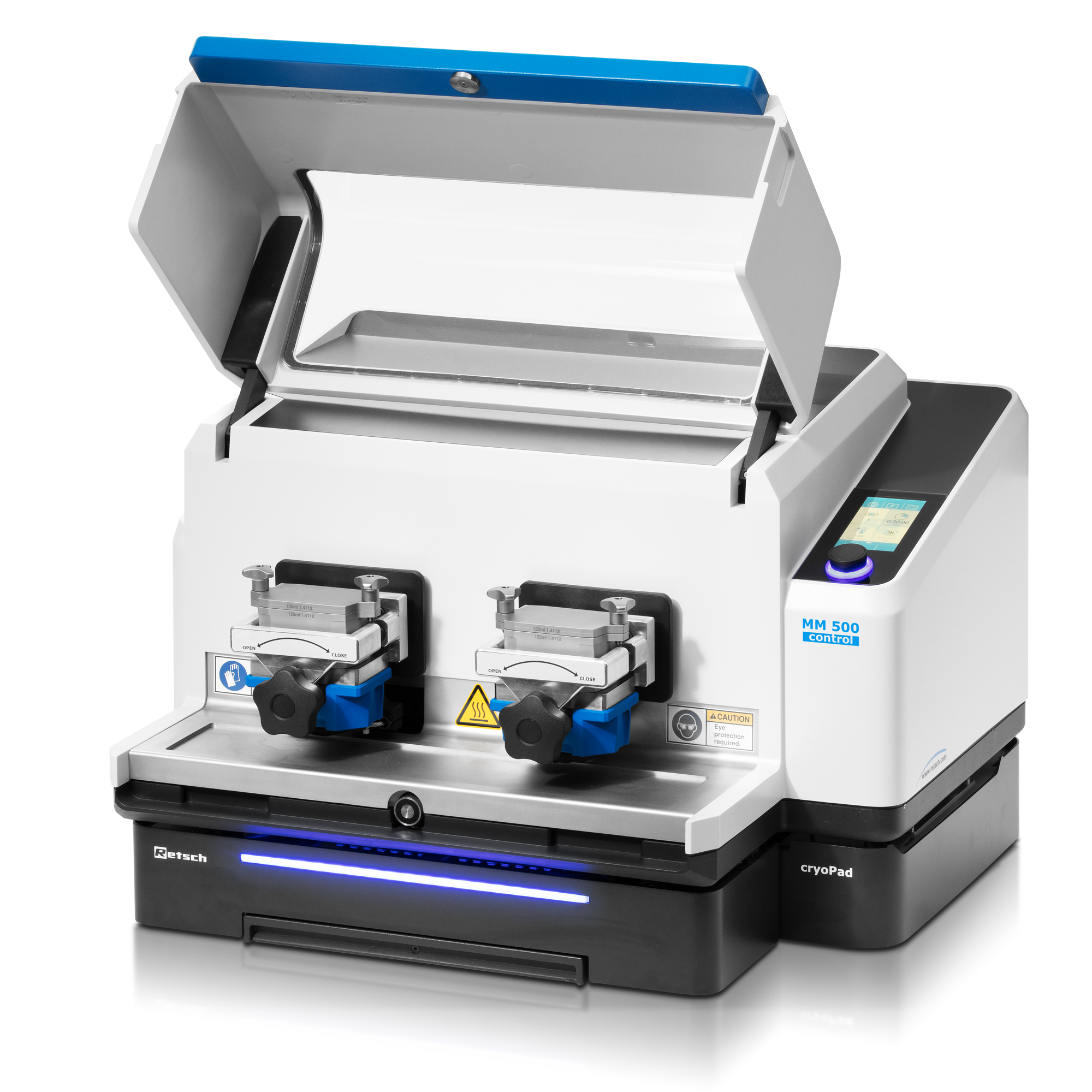
Details on the fields of application, working mechanisms and materials used in mixer mills.

- Max. feed size: <= 10 mm
- Final fineness: ~ 0.1 µm
- Vibrational frequency: 3 - 35 Hz (180 - 2100 min-1)
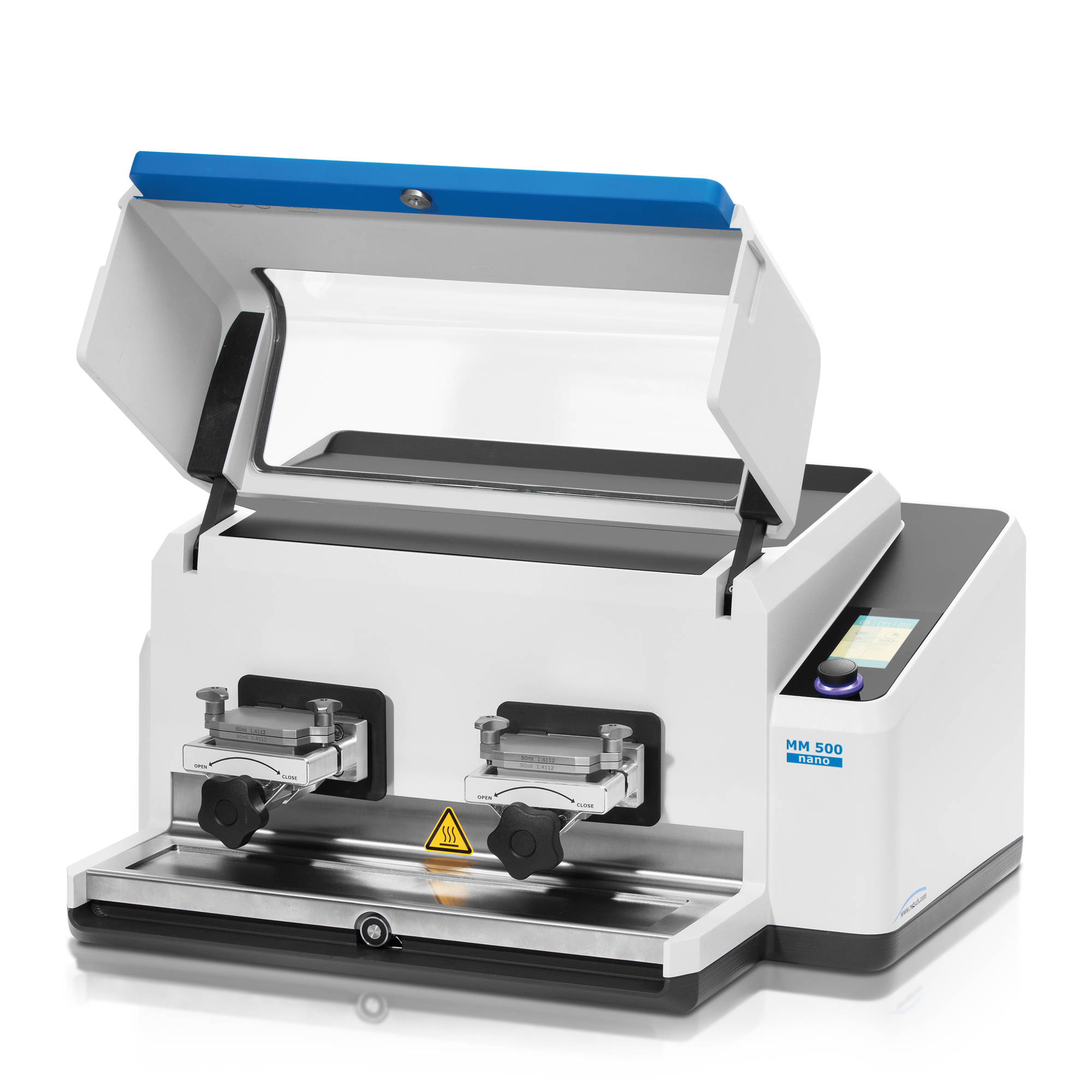
- Max. feed size: <= 8 mm
- Final fineness: ~ 5 µm
- Vibrational frequency: 3 - 35 Hz (180 - 2100 min-1)
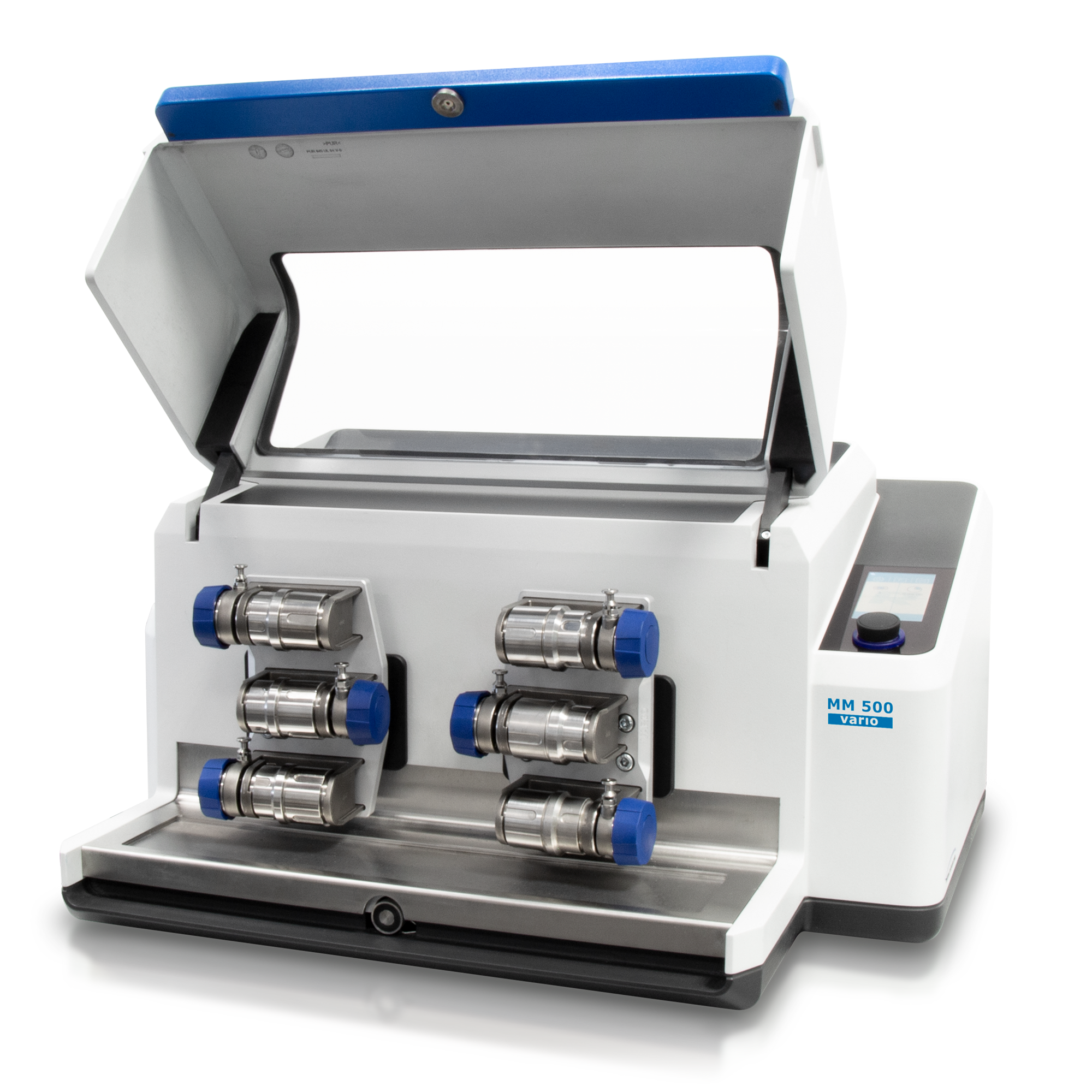
- Max. feed size: <= 8 mm
- Final fineness: ~ 5 µm
- Vibrational frequency: 3 - 30 Hz (180 - 1800 min-1)
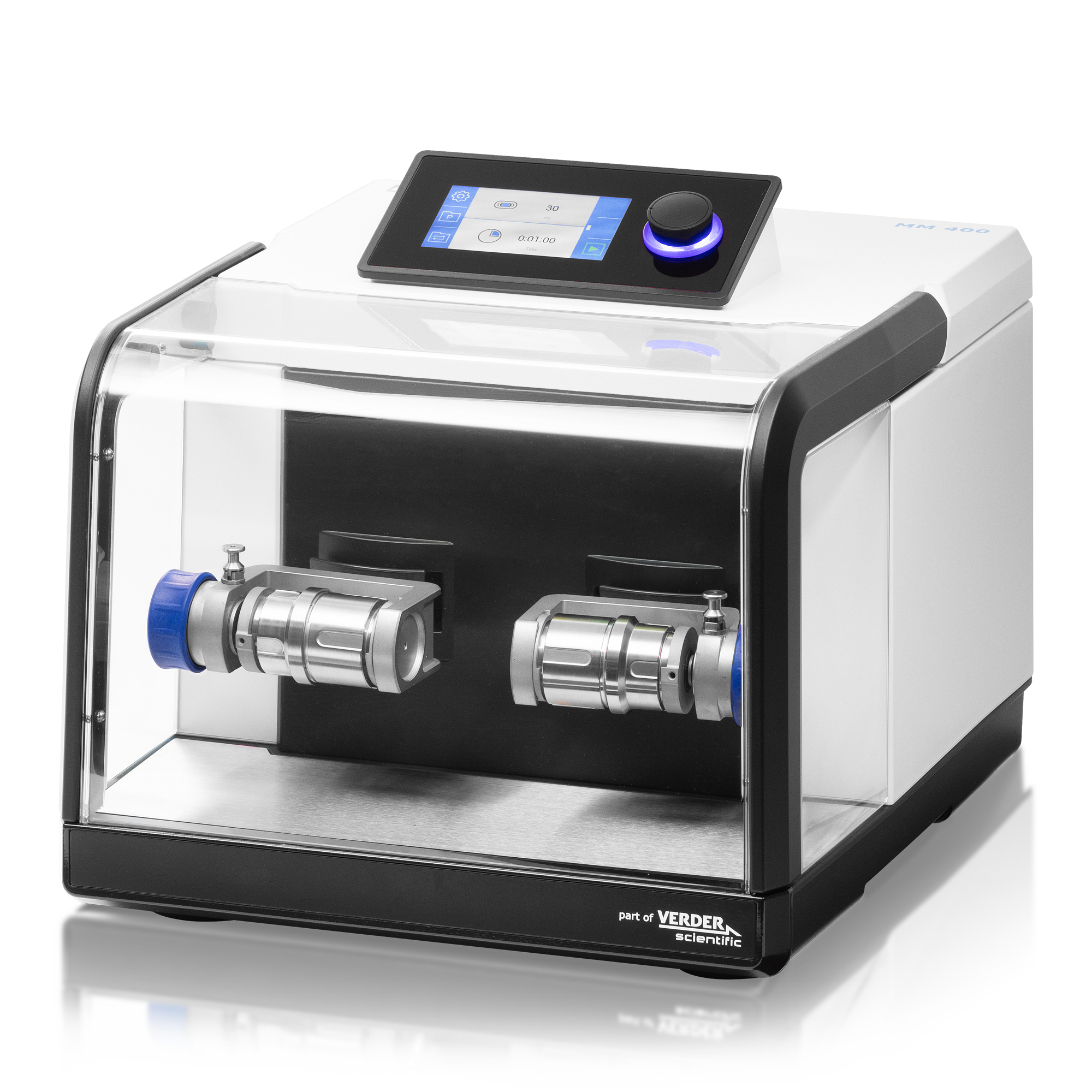
- Max. feed size: <= 8 mm
- Final fineness: ~ 5 µm
- Vibrational frequency: digital, 5 - 30 Hz (300 - 1800 min-1)
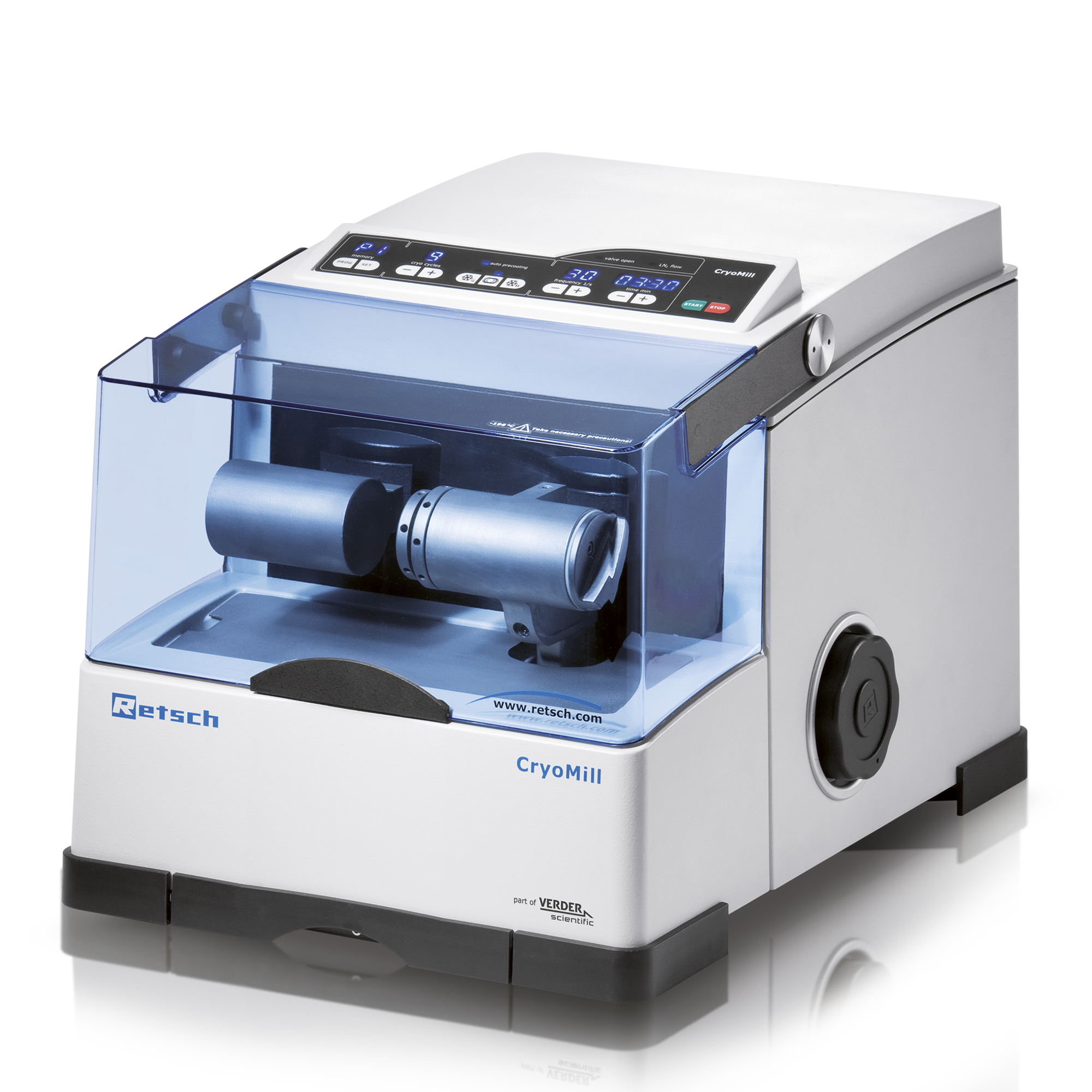
- Meting van druk en temperatuur in de maalbeker
- Drukmeting 0-5 bar
- Temperatuursmeting: -25 °C - +90 °C
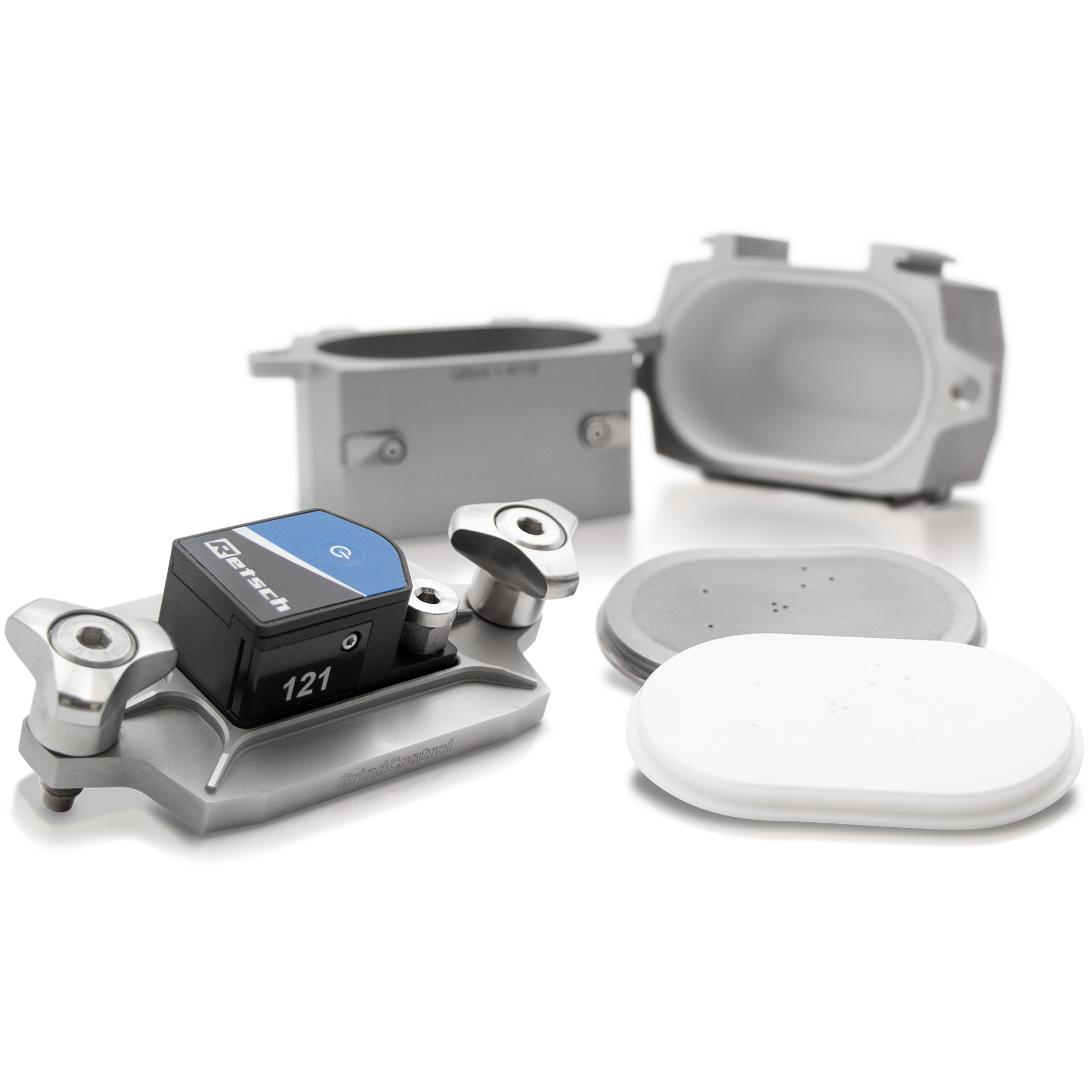
Mixer Mills - Function Principle
The grinding jars of mixer mills perform radial oscillations in a horizontal position. The inertia of the grinding balls causes them to impact with high energy on the sample material at the rounded ends of the jars and pulverize it. High energy milling is possible by operating at high frequencies up to 35 Hz. The movement of the jars and balls causes further size reduction effects through friction and additionally leads to effective mixing of the sample. The degree of mixing can be increased by using several smaller balls.
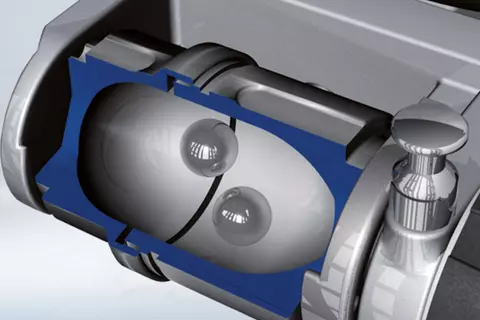
Mixer Mills - Fields of application
Mixer mills are used for the pulverization of soft, hard, brittle, and fibrous materials in dry and wet mode. With their small footprint, ease of use, and very short processing times, they are true allrounders in the laboratory.
Mixer mills are ideally suited for tasks in research like mechanochemistry (mechanosynthesis, mechanical alloying and mechanocatalysis), or ultrafine colloidal grinding on a nanometer scale, as well as for routine tasks such as mixing and homogenizing.
They are also widely used for cell disruption for DNA/RNA extraction via bead beating. Up to 240 ml of cell dispersions can be processed for protein extraction or metabolome analysis.
A crucial advantage of mixer mills is their great versatility – in some models combined with the capacity to actively cool or heat material, allowing for more controlled configurations than in other ball mills. In the field of mechanochemistry, the possibility to control the reactions inside the jar is very beneficial.
Depending on the models, temperatures down to -196°C or up to 100°C can be applied. Mixer mills are available with 1, 2 or 6 stations. Jars and balls are available in various sizes, designs and materials.
titanium oxide
nat malen
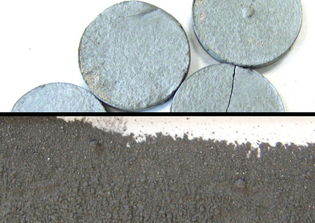
metaal legering
droog malen
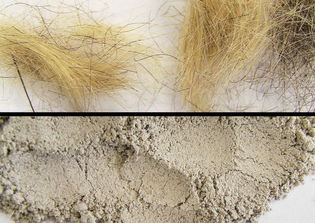
haar
droog malen
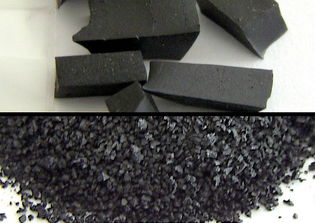
haar
droog malen