


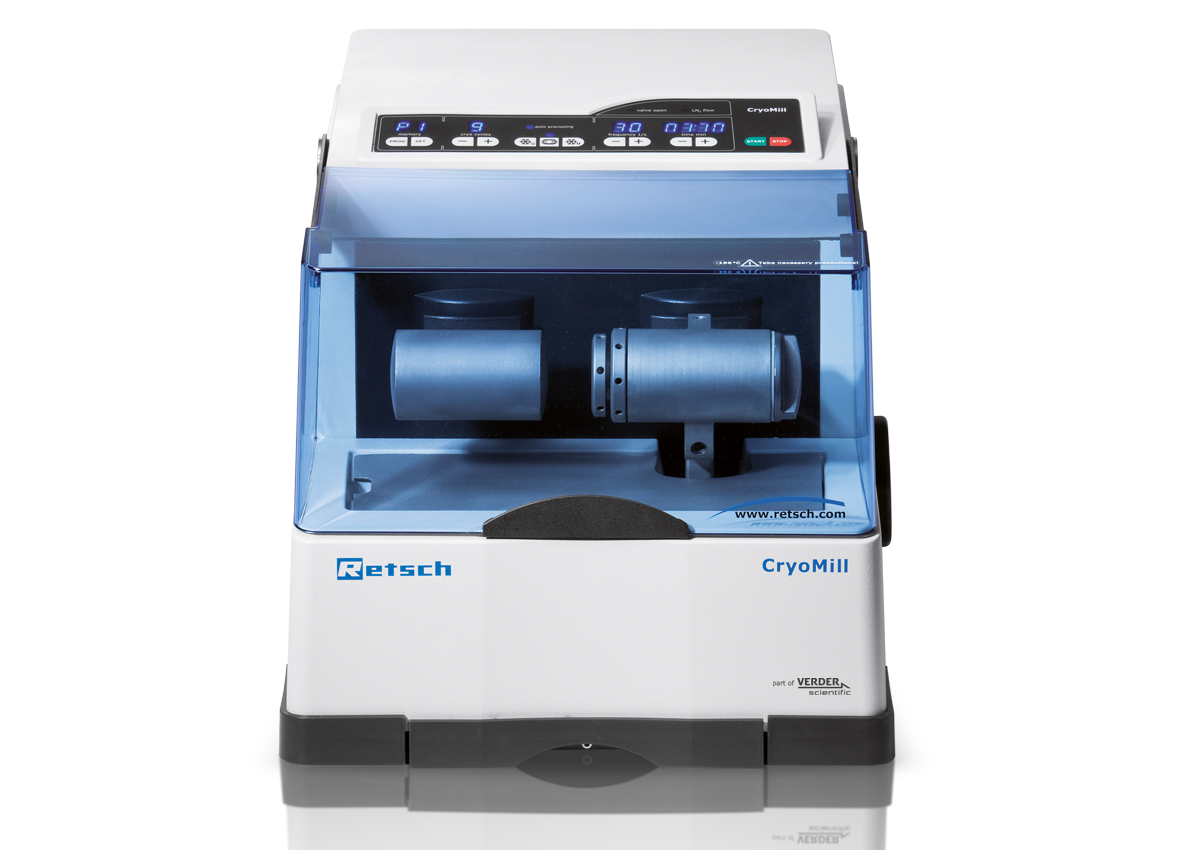
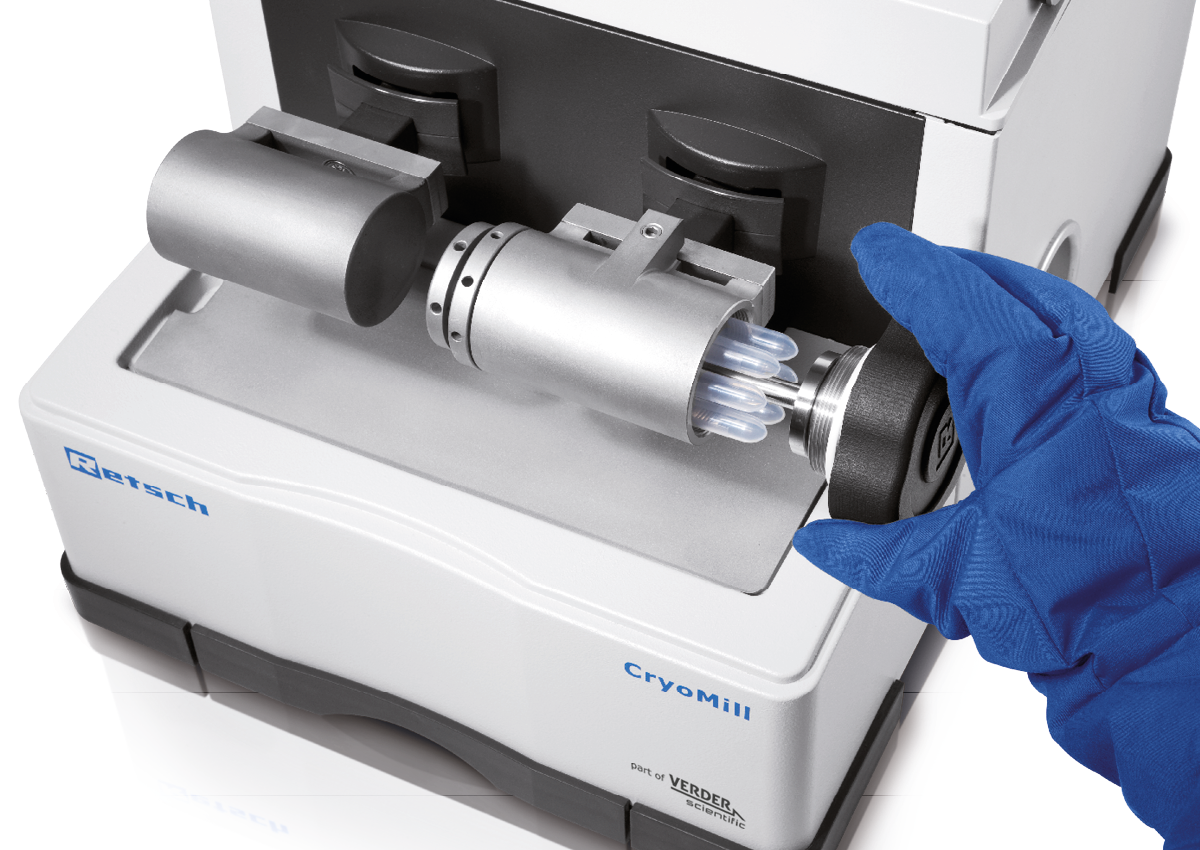

CryoMill 技术参数
| Applications: | size reduction, mixing, homogenization, cell disruption |
|---|---|
| Field of application: | agriculture, biology, chemistry / plastics, construction materials, engineering / electronics, environment / recycling, food, geology / metallurgy, glass / ceramics, medicine / pharmaceuticals |
| Feed material: | hard, medium-hard, soft, brittle, elastic, fibrous |
| Size reduction principle: | impact, friction |
| Max. feed size: | <= 8 mm |
| Final fineness: | ~ 5 µm |
| Batch size / feed quantity: | max. 20 ml |
| No. of grinding stations: | 1 |
| Vibrational frequency: | digital, 5 - 30 Hz (300 - 1800 min-1) |
| Typical mean grinding time: | 10 min / 4 min (cooling / grinding) |
| Dry grinding: | yes |
| Wet grinding: | yes |
| Cryogenic grinding: | yes |
| Cell disruption with reaction vials: | yes |
| Self-centering clamping device: | yes |
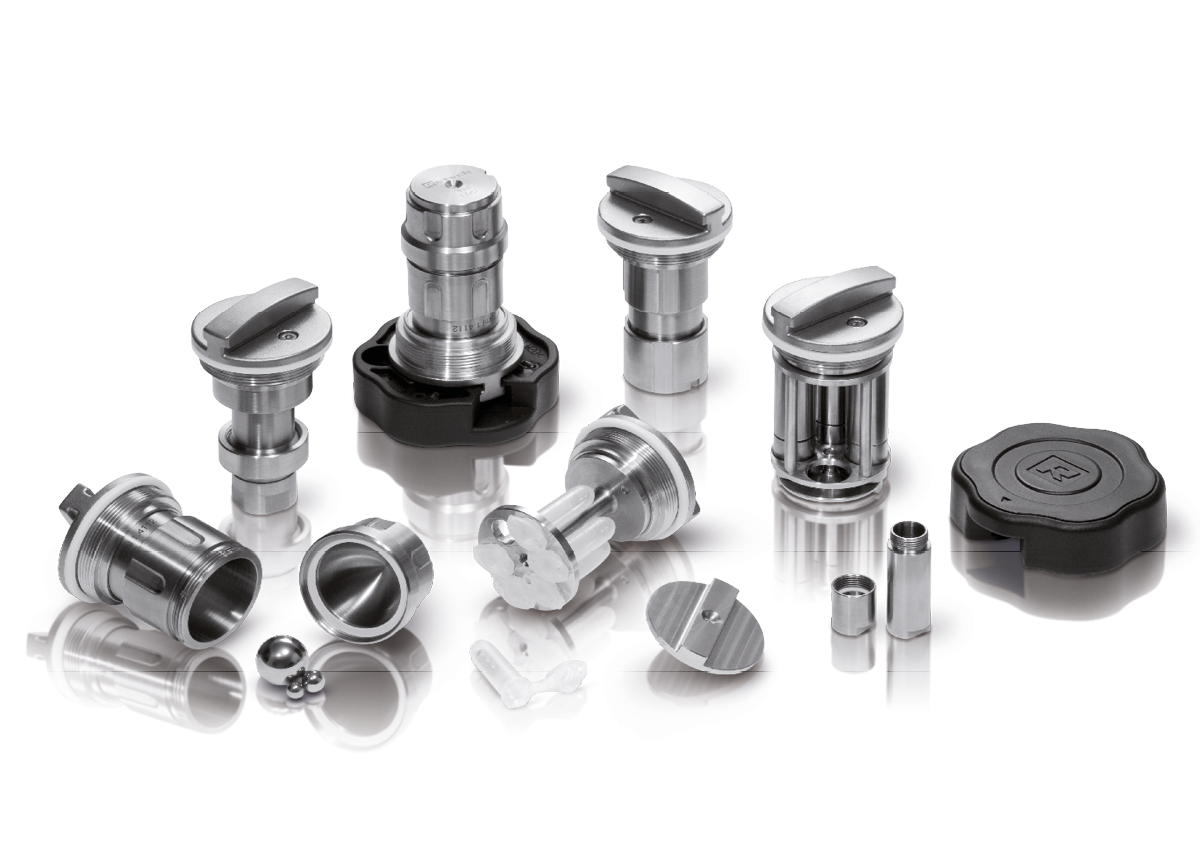
| Type of grinding jars: | screw top design |
| Material of grinding tools: | hardened steel, stainless steel, zirconium oxide, PTFE |
| Grinding jar sizes: | 5 ml / 10ml / 25 ml / 35 ml / 50 ml |
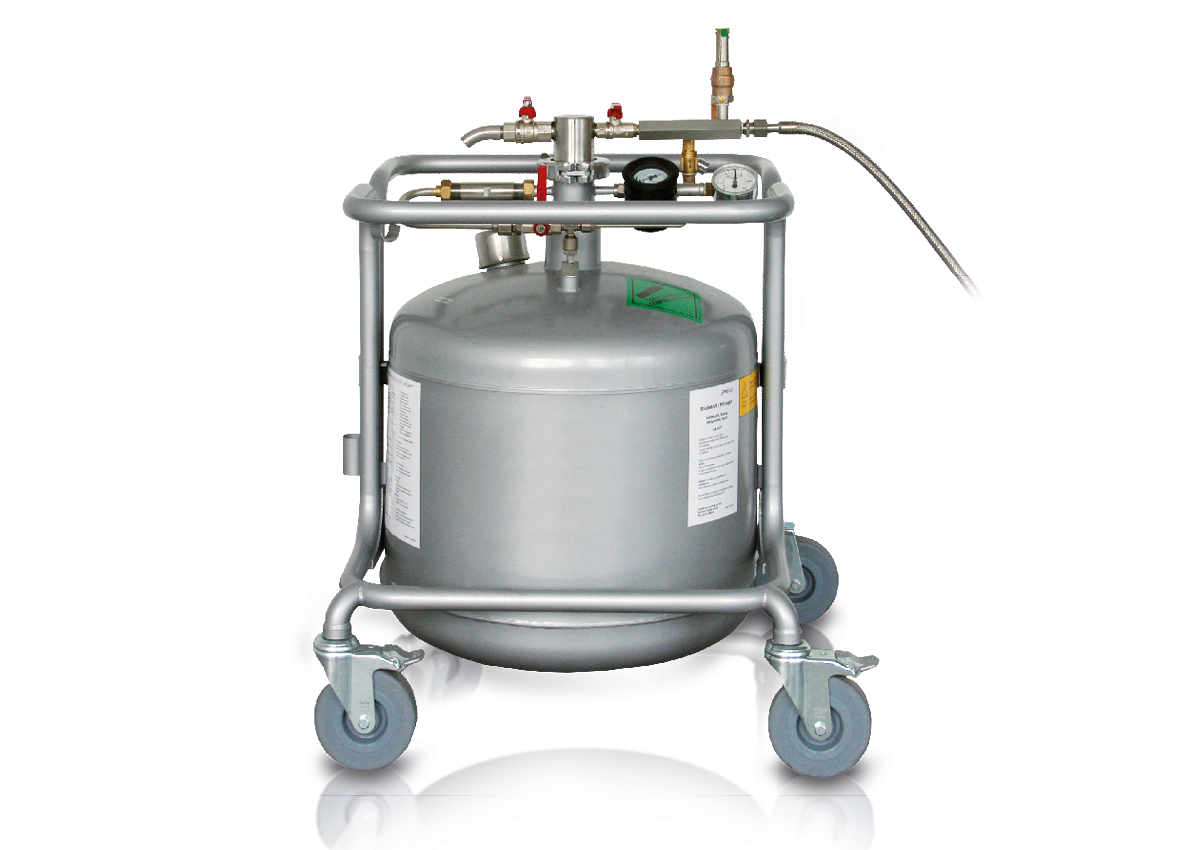
| Autofill: | 50 l |
| Setting of grinding time: | digital, 30 s - 99 min |
| Storable SOPs: | 9 |
| Electrical supply data: | 100-240 V, 50/60 Hz |
| Power connection: | 1-phase |
| Power consumption: | 260 W |
| Protection code: | IP 30 |
| W x H x D closed: | 395 x 373 x 577 mm (D: 710 mm with exhaust tube) |
| Net weight: | ~ 45 kg |
| Standards: | CE |
CryoMill 资料下载

Cannabis - Sample Preparation and Quality Control
RETSCH is putting to use its full product portfolio of grinders, sieve shakers and sample dividers to help process and prepare cannabis samples. The sample preparation process needs to be adjustable to the considerable complexity of the various matrices.
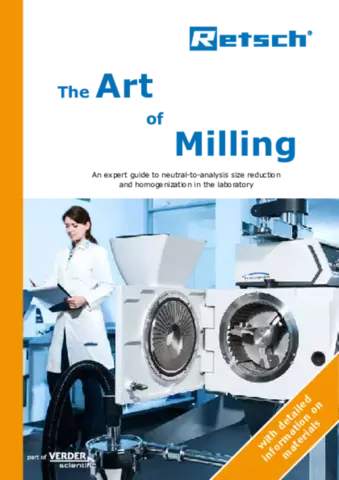
Expert Guide Milling
Why Size Reduction? A reliable and accurate analysis can only be guaranteed by reproducible sample preparation. The "Art of Milling" describes the process of turning a laboratory sample into a representative part sample with homogeneous analytical fineness.
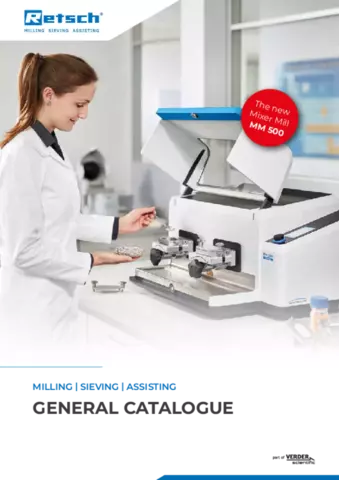
General Catalogue
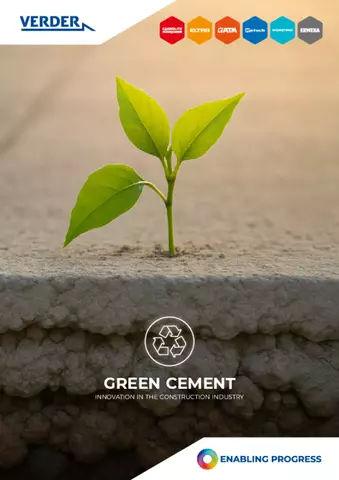
Green Cement - Innovation in the Construction Industry
Green Cement represents a significant innovation in the construction industry, aimed at reducing environmental impact and promoting sustainable development. Traditional cement production is a major contributor to global CO emissions, accounting for approximately 7-8% of the total. With this material these emissions can be minimized by incorporating supplementary cementitious materials (SCMs) such as fly ash, slag and seashell by using alternative fuels and raw materials. Our solutions enable the production of a more sustainable product with high performance characteristics and exceptional physical properties.
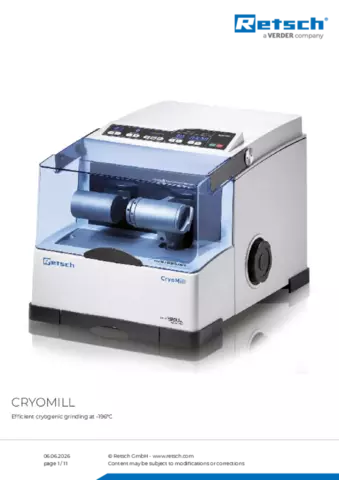
Product data sheet Cryomill