




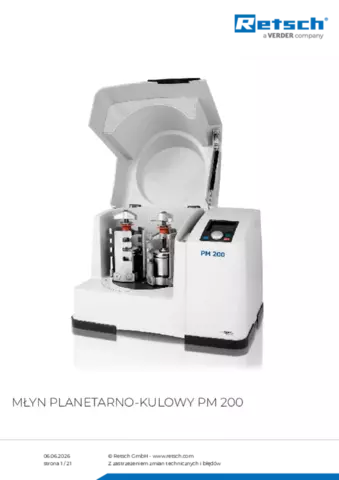
Młyn planetarno-kulowy PM 200 Dane techniczne
| Applications: | pulverizing, mixing, homogenizing, colloidal milling, mechanical alloying, mechanosynthesis, nano grinding |
|---|---|
| Field of application: | agriculture, biology, chemistry, construction materials, engineering / electronics, environment / recycling, geology / metallurgy, glass / ceramics, medicine / pharmaceuticals |
| Feed material: | soft, hard, brittle, fibrous - dry or wet |
| Size reduction principle: | impact, friction |
| Max. feed size: | < 4 mm |
| Final fineness: | < 1 µm, for colloidal grinding < 0.1 µm |
| Batch size / feed quantity: | max. 2 x 50 ml |
| No. of grinding stations: | 2 |
| Speed ratio: | 1 : -2 |
| Sun wheel speed: | 100 - 650 min-1 |
| Effective sun wheel diameter: | 157 mm |
| G-force: | 37.1 g |
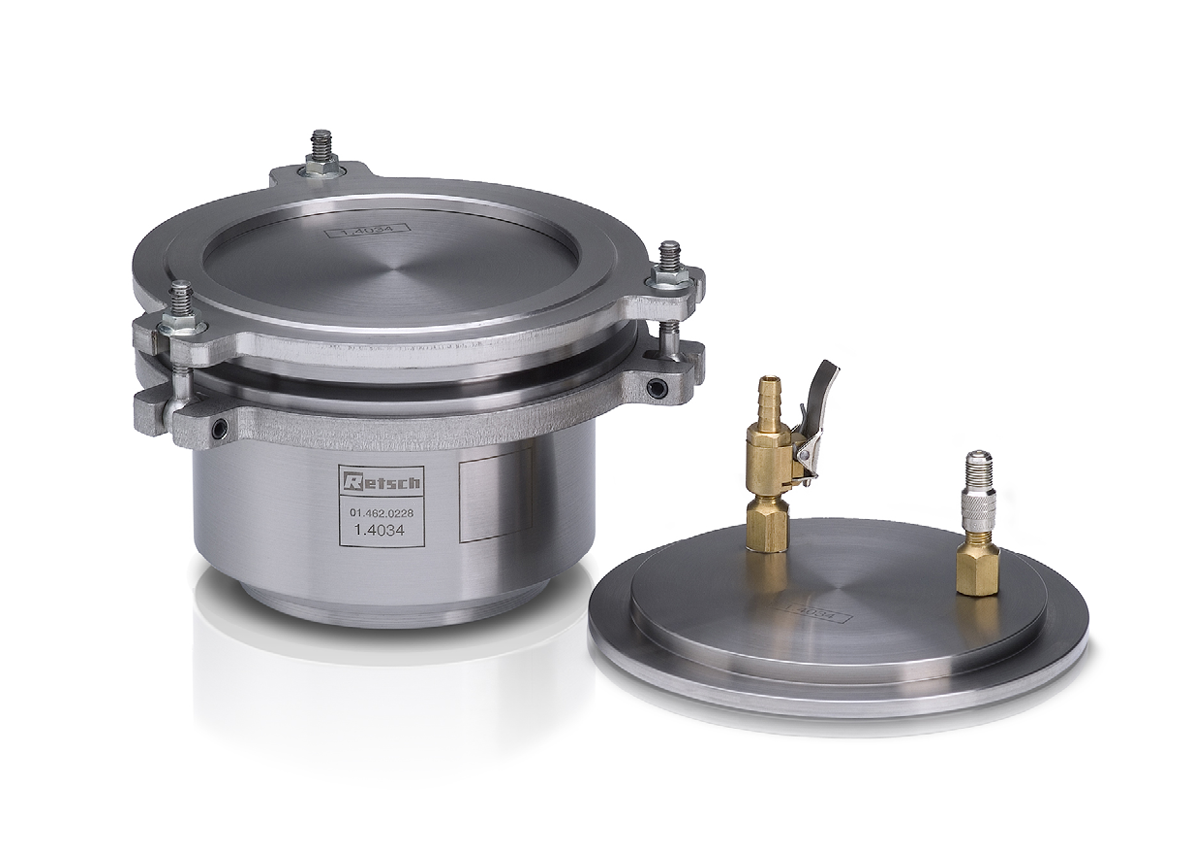
| Type of grinding jars: | EasyFit, optional areation covers, safety closure devices |
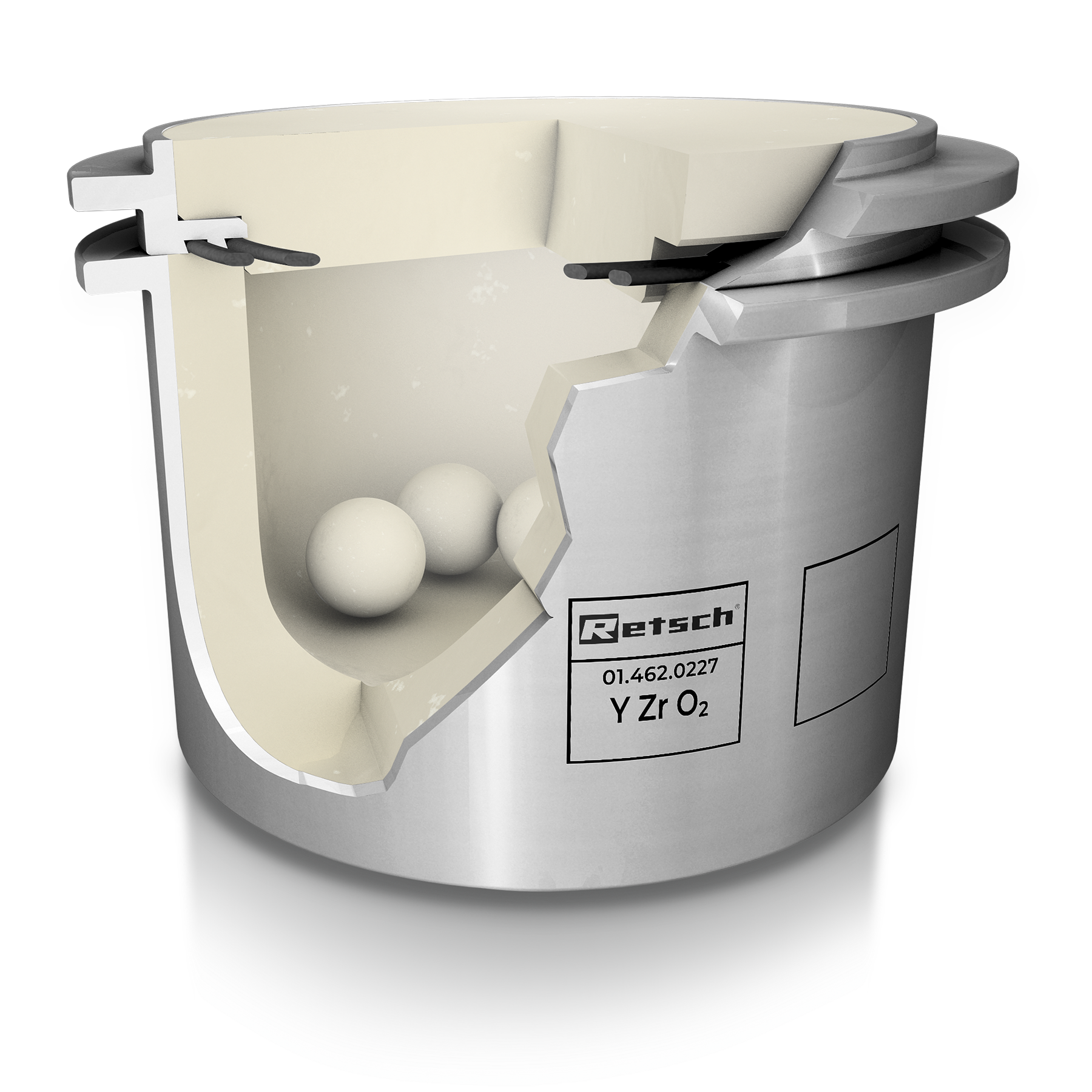
| Material of grinding tools: | hardened steel, stainless steel, tungsten carbide, agate, sintered aluminium oxide, silicon nitride, zirconium oxide |
| Grinding jar sizes: | 12 ml / 25 ml / 50 ml / 80 ml / 125 ml |
| Stackable grinding jars: | 12 ml / 25 ml |
| Setting of grinding time: | digital, 00:00:01 to 99:59:59 |
| Interval operation: | yes, with direction reversal |
| Interval time: | 00:00:01 to 99:59:59 |
| Pause time: | 00:00:01 to 99:59:59 |
| Storable SOPs: | 10 |
| Measurement of input energy possible: | yes |
| Interface: | RS 232 / RS 485 |
| Drive: | 3-phase asynchronous motor with frequency converter |
| Drive power: | 750 W |
| Electrical supply data: | different voltages |
| Power connection: | 1-phase |
| Power consumption: | ~ 1250 W (VA) |
| Protection code: | IP 30 |
| W x H x D closed: | 640 x 480 (780) x 420 mm |
| Net weight: | ~ 76 kg |
| Standards: | CE |
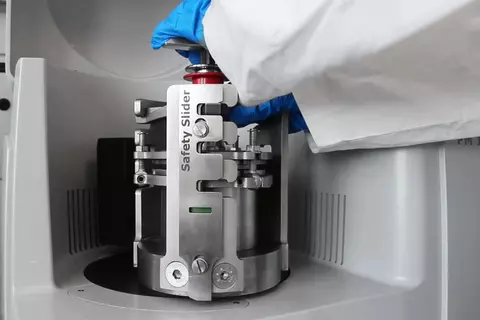
| Patent / Utility patent: | SafetySlider (DE 202008008473) |
Młyn planetarno-kulowy PM 200 Do pobrania
Karta produktu PM 200
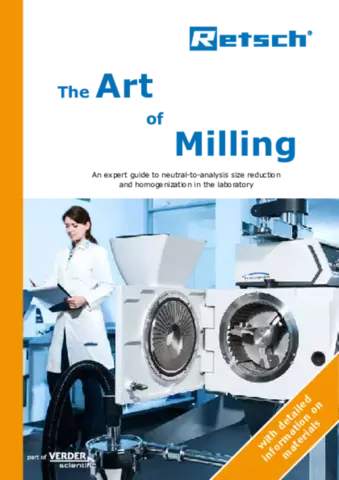
Expert Guide Milling
Why Size Reduction? A reliable and accurate analysis can only be guaranteed by reproducible sample preparation. The "Art of Milling" describes the process of turning a laboratory sample into a representative part sample with homogeneous analytical fineness.
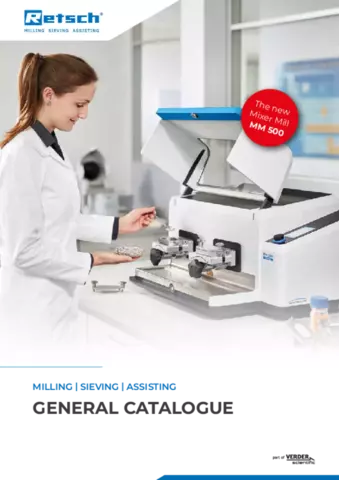
General Catalogue
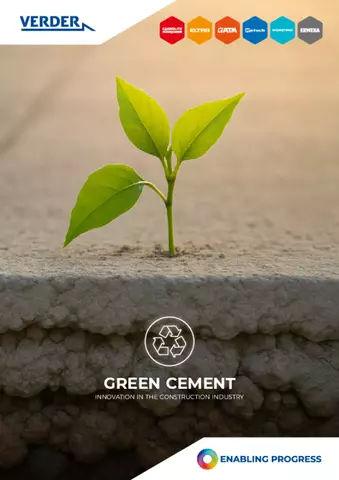
Green Cement - Innovation in the Construction Industry
Green Cement represents a significant innovation in the construction industry, aimed at reducing environmental impact and promoting sustainable development. Traditional cement production is a major contributor to global CO emissions, accounting for approximately 7-8% of the total. With this material these emissions can be minimized by incorporating supplementary cementitious materials (SCMs) such as fly ash, slag and seashell by using alternative fuels and raw materials. Our solutions enable the production of a more sustainable product with high performance characteristics and exceptional physical properties.
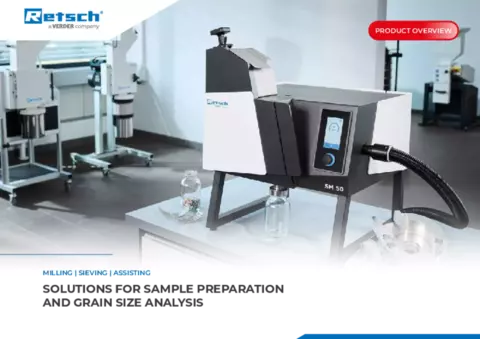
Product Overview
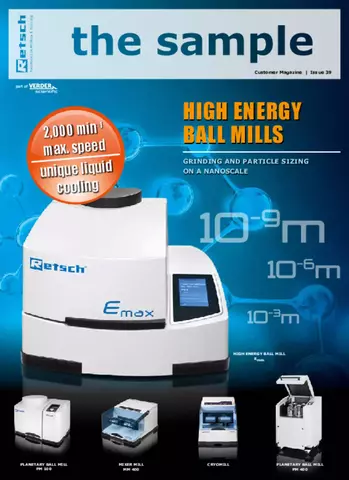
The Sample - Customer Magazine No. 39
High Energy Ball Mills - Grinding And Particle Sizing On A Nanoscale