




Mechanochemistry Using ball mills to conduct solvent-free mechanochemical reactions
Mechanochemistry, a branch of chemistry utilizing impact and friction forces to initiate chemical reactions -typically through the use of ball mills - is gaining attention for its environmental benefits. As chemists seek solvent-free alternatives amid growing environmental concerns, mechanochemistry presents a promising pathway. This method not only facilitates faster reactions, thereby saving energy compared to traditional solvent-based approaches, but also addresses challenges such as poor solubility of reactants. It enables reactions that are unfeasible in solvents and allows for the stabilization and purification of intermediate substances. Mechanochemistry thus opens up new avenues for enhancing process sustainability and developing novel reactions. RETSCH stands at the forefront, offering the most comprehensive range of ball mills and optimal accessories for conducting chemical reactions in grinding jars.
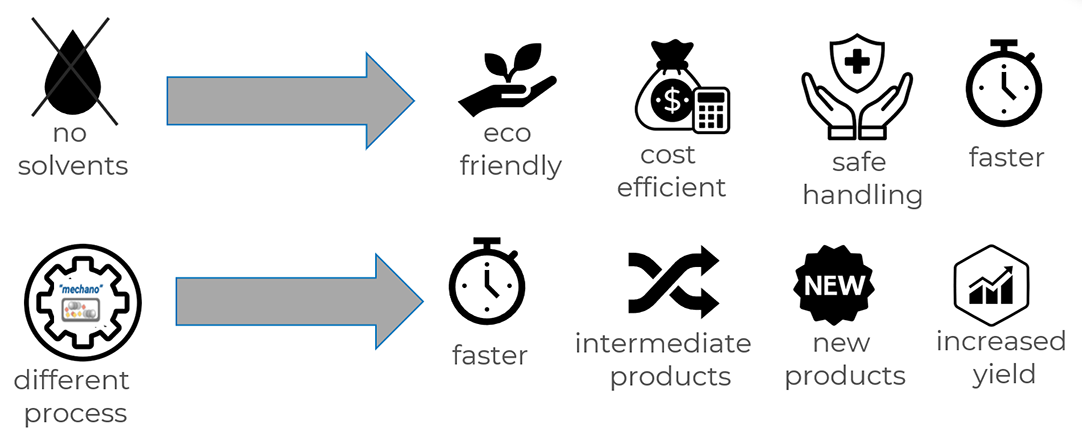
What are the advantages of mechanochemical reactions compared to solvent-based processes?
- Solvent-free processes eliminate up to 90% of the reaction mass, enhancing cost efficiency and environmental safety while reducing the time needed to identify the optimal solvent for a reaction.
- Exploring new reaction pathways becomes feasible with mechanochemistry, as it accommodates insoluble reactants, stabilizes intermediates, and offers distinct reactions compared to solvent-based methods.
- This approach saves time, with reactions typically completing in minutes to hours, as opposed to the days required with solvents.
- Higher yields can be achieved when suitable conditions are found
How does mechanochemistry work?
In mechanochemistry, the method of energy application and mixing is crucial. Planetary ball mills primarily utilize friction for size reduction, while mixer mills rely on impact. Certain reactions are more effectively conducted in planetary ball mills, while others benefit from the impact mode of mixer mills. Currently, the varying effects of temperature and mixing on mechanochemical reactions are under investigation, as the precise mechanisms driving these reactions remain to be fully understood.
The efficacy of mechanochemical reactions raises several questions: Is it the energy from impacts that drives these reactions, and does more energy always improve outcomes? Do the balls not only create fresh reactive surfaces but also enhance mixing? Or does the relatively high concentration of educts, compared to soluble systems, play a significant role? Additionally, do high temperatures generated during ball collisions contribute, or is it a combination of these factors? Optimal ball size is another consideration; balls too small may lead to reactant agglomeration and insufficient mixing, whereas too large balls might result in fewer reactive collisions. The ideal ball diameter ranges from 5 to 15 mm. The choice of grinding tool material, such as zirconium oxide or stainless steel, is crucial as well. The material must resist chemical reactions, not interfere with the process, and maintain mechanical stability to minimize abrasion.
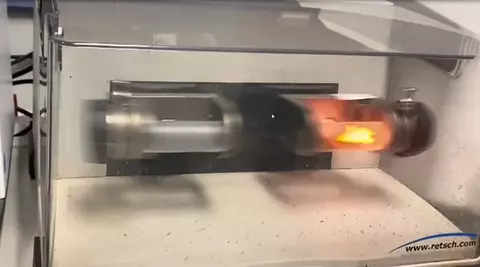
Mechanically-induced Self-propagating Reactions (MSR) are rapid, exothermic chemical reactions initiated by mechanical energy, as provided in ball mills, that propagate through a material without external heating. The video shows a mechanochemical reaction between nickel and sulfur that, under some circumstances, can run as MSR. Towards the end of the video, a flash of light can be seen which documents the MSR ignition. Permission to use this video by Matej Baláž. [11]
Ball mills used for mechanosynthesis
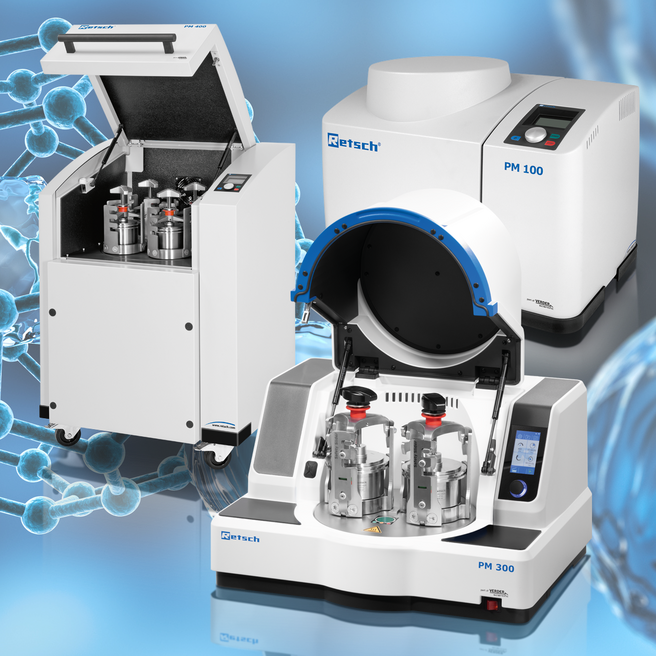
Ball mills allow for precise control of the reaction conditions, a wide range of energy inputs and the possibility to conduct reactions in sealed vessels. Planetary ball mills and mixer mills are typically used for mechanochemical reactions. The functional principles of these two types differ in some areas.
Планетарные шаровые мельницы
The grinding jar is arranged eccentrically on the sun wheel of the planetary ball mill. The direction of movement of the sun wheel is opposite to that of the grinding jars in the ratio 1:-2, 1:-2.5 or 1:-3. The grinding balls in the jars are subjected to superimposed rotational movements, the so-called Coriolis forces. The difference in speeds between balls and jars produces an interaction between frictional and impact forces, which releases high dynamic energies. The interplay between these forces produces the high and very effective degree of size reduction of the planetary ball mill.
RETSCH offers four planetary ball mill models which accept 1, 2 or 4 grinding jars in sizes ranging from 12 ml to 500 ml.
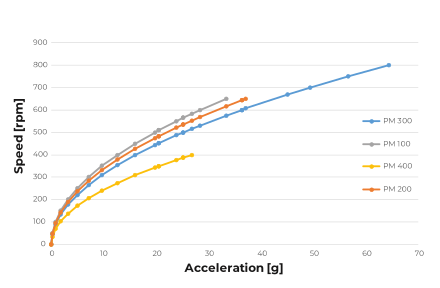
The PM 300 works with a speed ratio of 1:-2, but in contrast to other models, it reaches up to 64.4 x acceleration of gravity thanks to the maximum speed of 800 rpm and the large sun wheel. Together with the option to use four small, stackable grinding jars sized 12 to 80 ml for small scale operations, or two jars sized up to 500 ml for upscaling purposes, this planetary ball mill is highly suitable for research applications in mechanochemistry.
Высокоскоростная шаровая мельница Emax
The High Energy Ball Mill Emax is a special type of planetary ball mill. It combines high-frequency impact, intensive friction, and controlled circular jar movements to a unique and highly effective size reduction mechanism with a speed up to 2000 rpm, resulting in high energy input.
The interplay of jar geometry and movement causes strong friction between the grinding balls, sample material and jar walls as well as a rapid acceleration which lets the balls impact with great force on the sample at the rounded ends of the jars. This significantly improves the mixing of the particles resulting in smaller grind sizes and narrower particle size distributions than is possible with other ball mills.
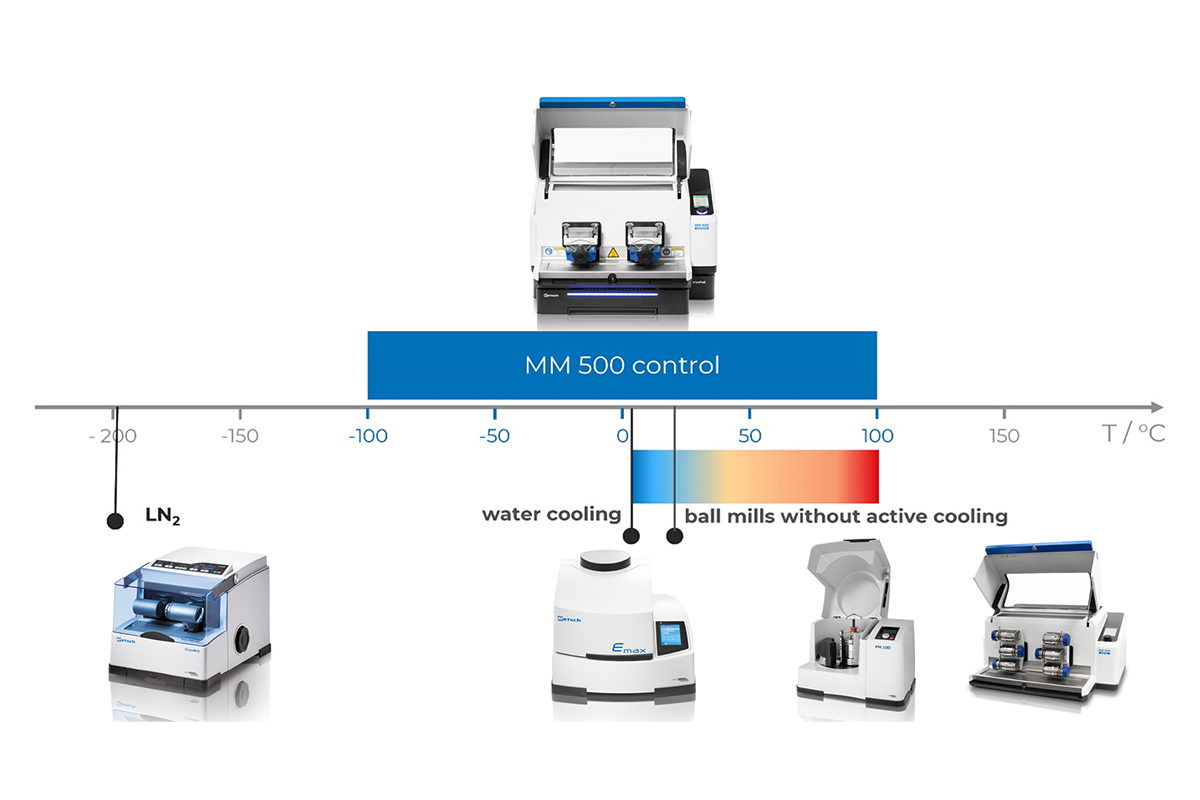
A unique water-cooling system ensures stable sample temperatures, enabling grinding processes with extremely high energy input. The Emax can be operated within a defined temperature range, which the user selects by defining a minimum and a maximum temperature. If the maximum temperature is exceeded, the grinder automatically interrupts the grinding process and only resumes it when the minimum temperature is reached. The grinding time and length of the breaks can vary according to the temperature limits, but the entire grinding process always remains reproducible.
Вибрационные мельницы
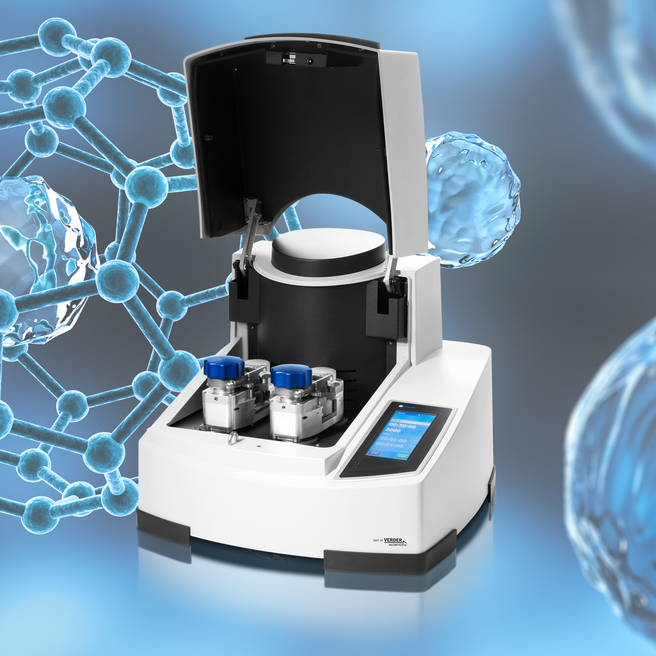
The crushing mode of mixer mills is mainly based on impact. The grinding jars perform radial oscillations in a horizontal position. The inertia of the grinding balls causes them to impact with high energy on the sample material at the rounded ends of the jars and pulverize it. Also, the movement of the jars combined with the movement of the balls result in the intensive mixing of the sample.
RETSCH offers five mixer mill models. The MM 400 is commonly used for mechanochemistry because of its ease of use and small compact design. An important feature is the possibility to conduct long-term grinding processesup to 99 h.
The CryoMill, constantly cools the sample inside the jar down to -196°C with liquid nitrogen. The MM 500 vario accepts up to 6 grinding jars and, with a maximum frequency of 35 Hz, provides higher energy levels than the MM 400. The MM 500 nano is designed for producing nano particles, but also provides the required energy input for mechanochemistry with its frequency of 35 Hz.
The most interesting machine for mechanochemistry is the MM 500 control, which offers the option to operate in a temperature range from -100 °C to +100 °C.

Influence of speed or frequency on the yield in mechanochemistry
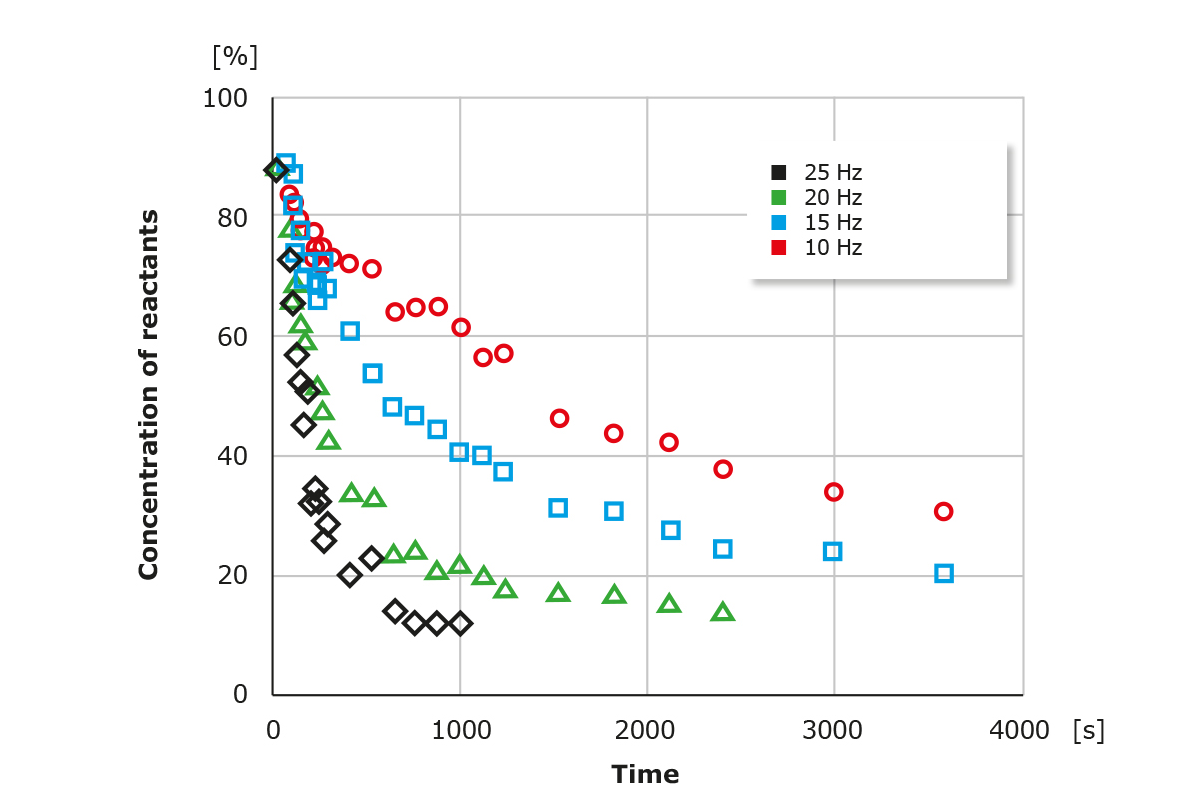
In mechanochemistry, the method of energy application and mixing is crucial. Planetary ball mills primarily utilize friction for size reduction, while mixer mills rely on impact. Certain reactions are more effectively conducted in planetary ball mills, while others benefit from the impact mode of mixer mills. Currently, the varying effects of temperature and mixing on mechanochemical reactions are under investigation, as the precise mechanisms driving these reactions remain to be fully understood.
The efficacy of mechanochemical reactions raises several questions: Is it the energy from impacts that drives these reactions, and does more energy always improve outcomes? Do the balls not only create fresh reactive surfaces but also enhance mixing? Or does the relatively high concentration of educts, compared to soluble systems, play a significant role? Additionally, do high temperatures generated during ball collisions contribute, or is it a combination of these factors? Optimal ball size is another consideration; balls too small may lead to reactant agglomeration and insufficient mixing, whereas too large balls might result in fewer reactive collisions. The ideal ball diameter ranges from 5 to 15 mm. The choice of grinding tool material, such as zirconium oxide or stainless steel, is crucial as well. The material must resist chemical reactions, not interfere with the process, and maintain mechanical stability to minimize abrasion.
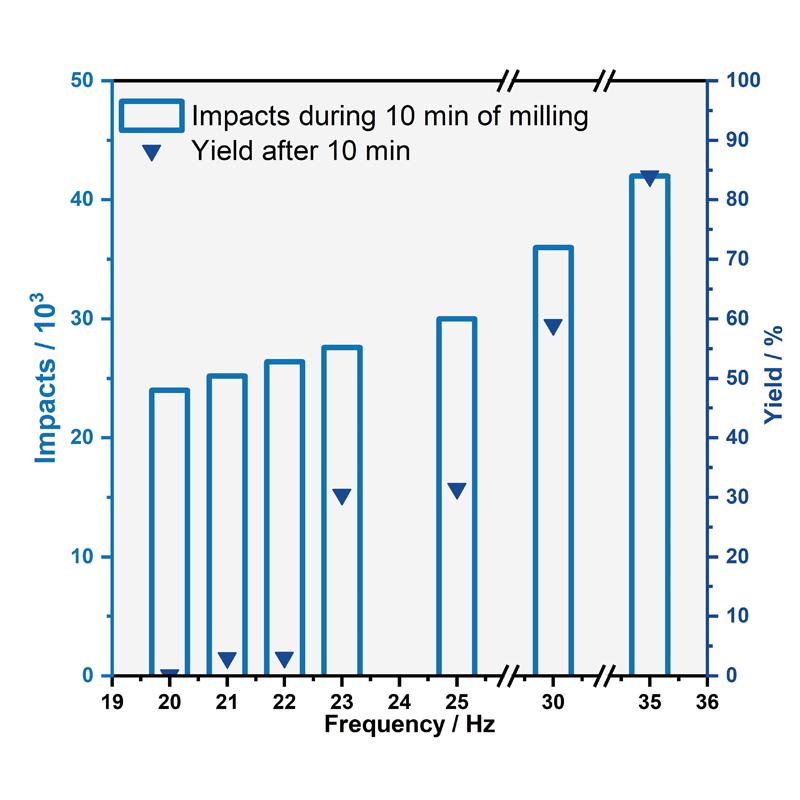
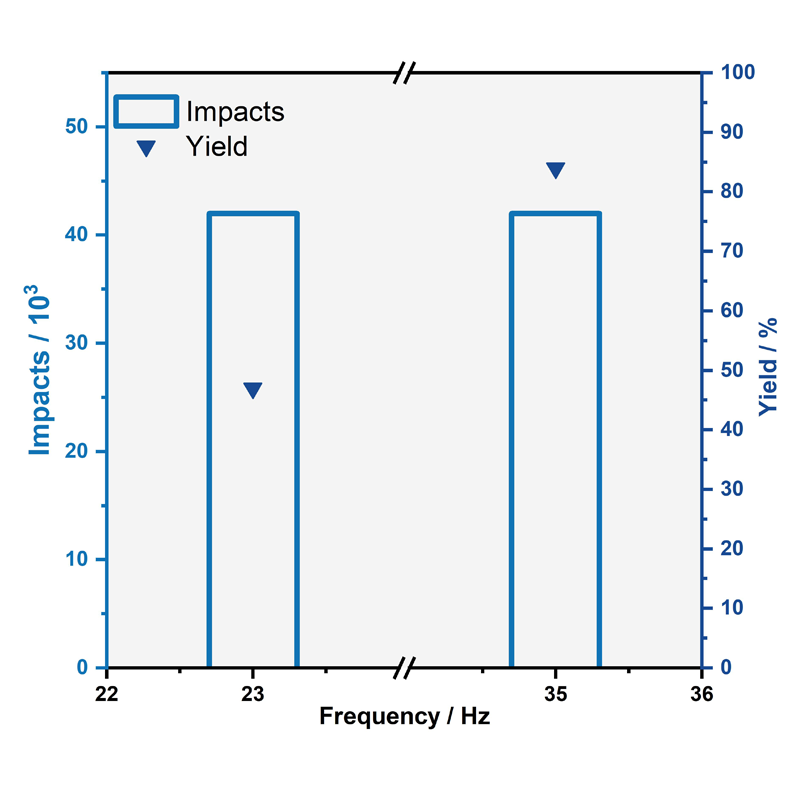
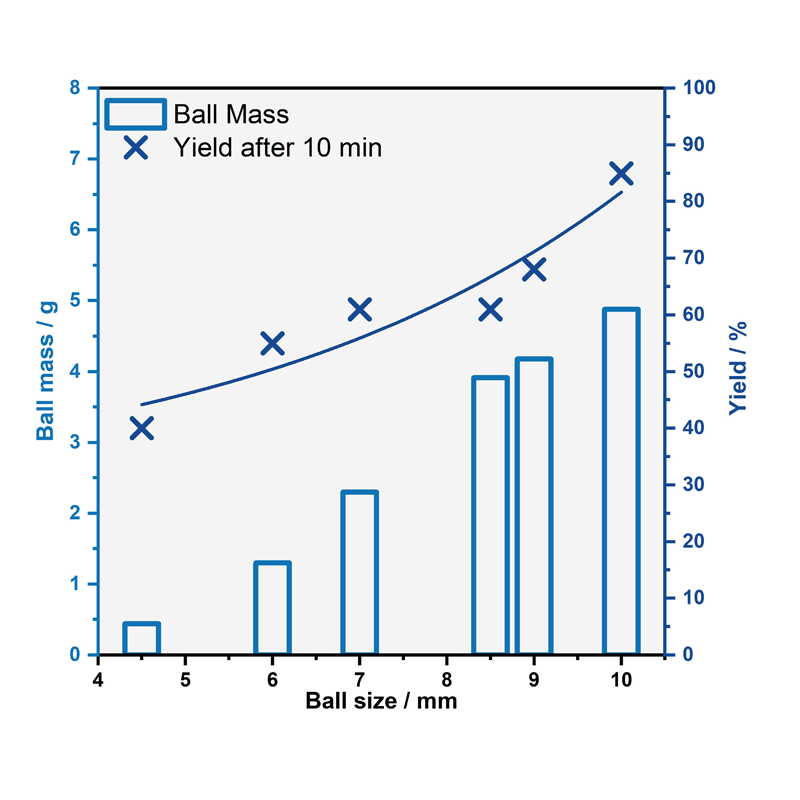
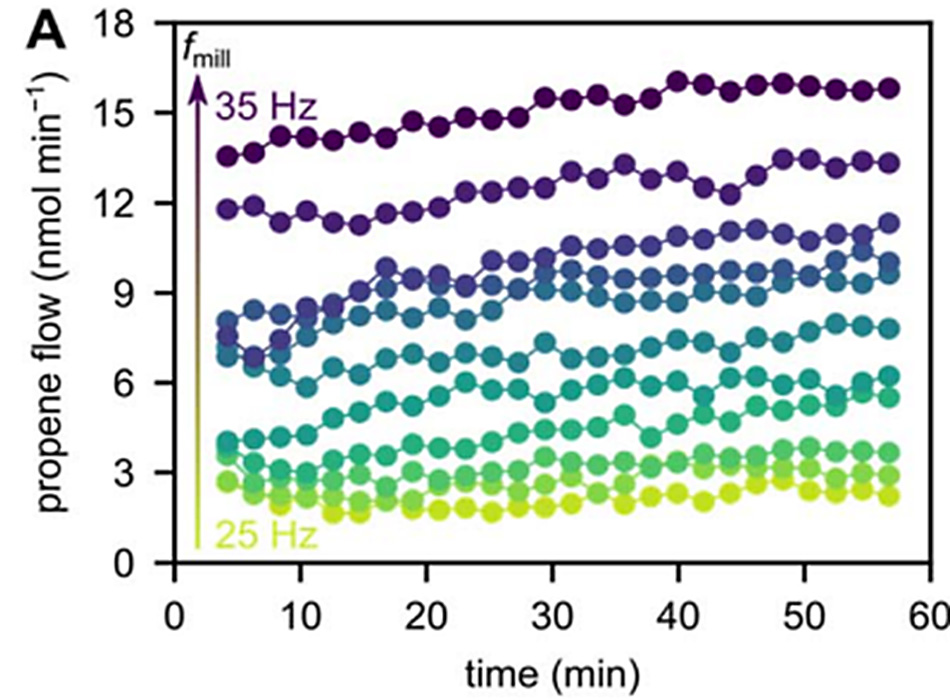
Recent research at the University Utrecht has demonstrated that the efficiency of polypropylene (PP) depolymerization via ball milling in the Mixer Mill MM 500 vario can be dramatically enhanced by optimizing mechanical parameters. When the milling frequency is increased, the rate at which valuable monomers like propene are produced rises sharply. This is because higher frequencies generate more frequent and energetic impacts, which accelerate the cleavage of polymer chains. The effect is highly nonlinear: even modest increases in frequency can lead to exponential gains in product yield, making the process both powerful and tunable. The highest yield was achieved at maximum frequency of 35 Hz. [13]
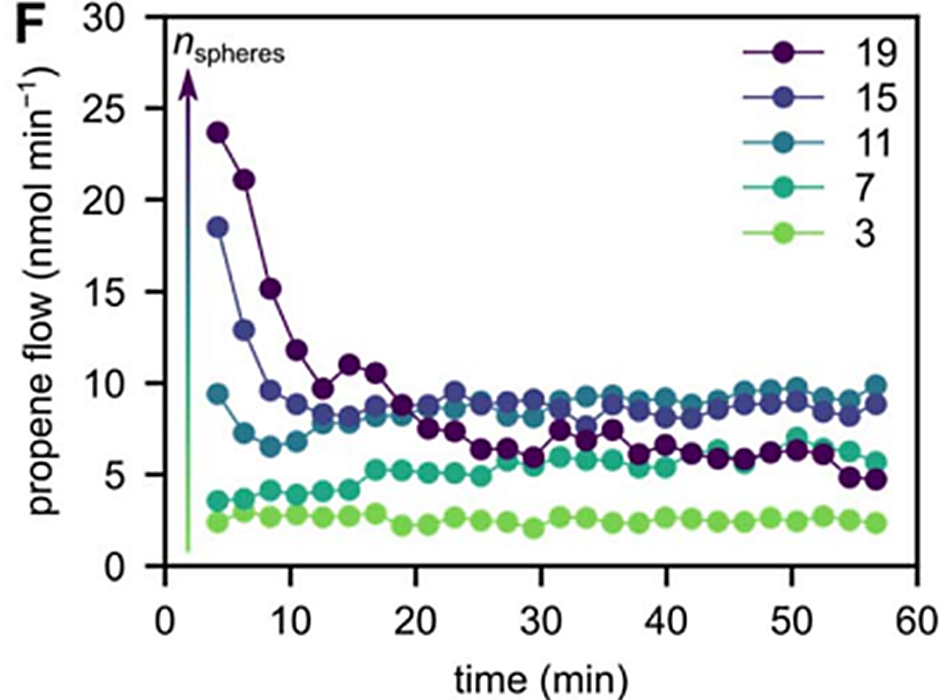
In addition to frequency, the number and size of grinding balls within the grinding jar play a crucial role. Using more balls increases the number of collision events, which in turn boosts the formation of small hydrocarbon molecules. However, there is an optimal range, where the process is most efficient. Beyond this point, adding more balls actually reduces the effectiveness, as it restricts their movement and limits energy transfer. This approach offers a flexible, energy-efficient solution towards the circular economy of plastics.
Programming two different frequencies can improve reactions
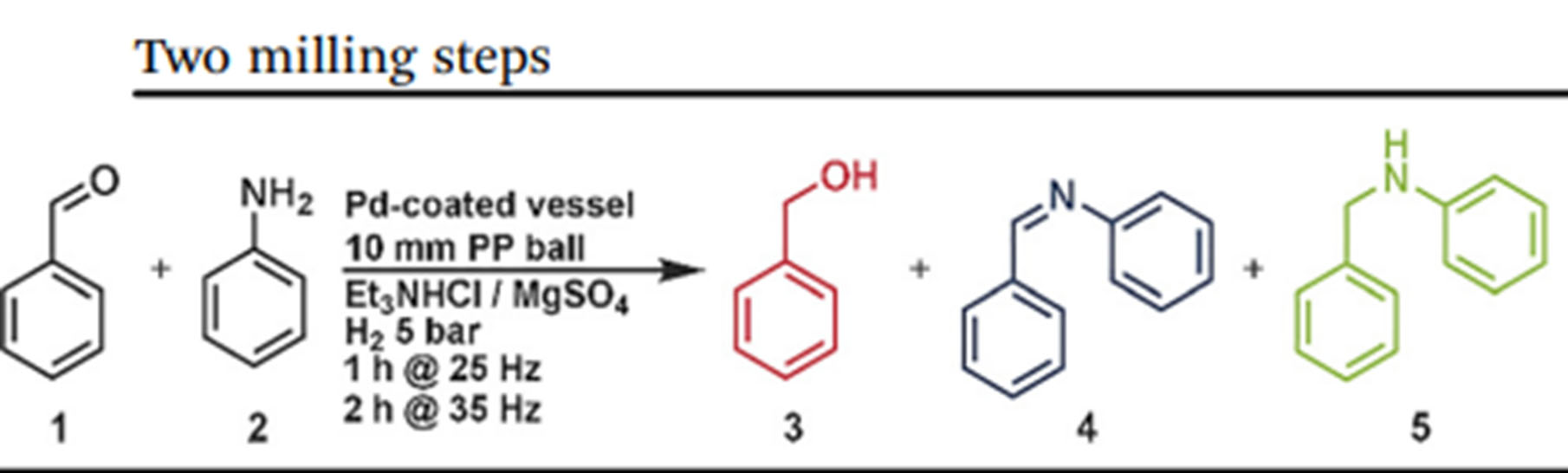
Sequential milling at 25 Hz followed by 35 Hz greatly enhances amine formation compared to using a single frequency. In the first step at 25 Hz, benzaldehyde reacts with aniline to form the imine intermediate through condensation. In the second step at 35 Hz, this imine is hydrogenated to produce the desired amine. If only a high frequency is used, benzaldehyde is directly hydrogenated to benzyl alcohol, resulting in unwanted side products. Conversely, using only a low frequency does not provide enough energy for hydrogenation, so the imine does not convert to the amine. The two-step protocol suppresses side reactions and enables a true one-pot process without intermediate handling. Overall, this approach yields higher amounts and purity of the target amine, demonstrating a robust and sustainable method for reductive amination. [12]
High Energy Ball Mills
High energy input significantly enhances grinding efficiency, leading to finer and more homogeneous particle size distributions. This is crucial in applications where the quality of the final product relies on its particle size and distribution. In mechanochemistry, the energy input, along with the action mode, temperature, ball mill size, and mixing effects, can influence the reaction outcome. To facilitate experiments across a spectrum of speeds, from moderate to high energy, four RETSCH models are particularly noteworthy: PM 300, Emax, MM 500 nano, and MM 500 vario. The acceleration these mills can achieve depends on the sun wheel size and maximum speed (planetary ball mills) or amplitude and frequency (mixer mills).
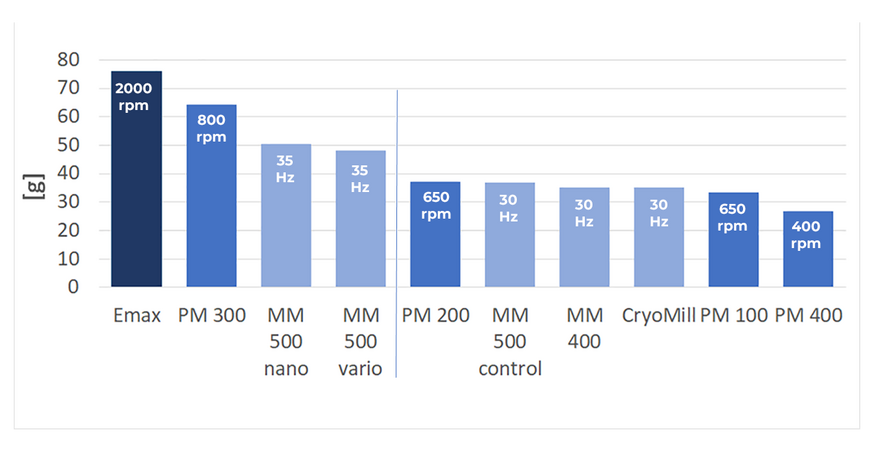
The High Energy Ball Mill Emax, the most powerful in the RETSCH portfolio, achieves the highest energy input with speeds up to 2000 rpm, resulting in an acceleration of 76 g. This, combined with its unique function principle and grinding jar design, produces an exceptionally narrow particle size distribution, minimizes grinding or reaction times, and generates ultrafine particles. Additionally, its design ensures ball movements with simultaneous impact and friction which enhances the mixing effect.
The Planetary Ball Mill PM 300 features a large sun wheel and a maximum speed of 800 rpm, reaching accelerations up to 64.4 g. Together with the option to use four small, stackable grinding jars sized 12 to 80 ml for small scale operations, or two jars sized up to 500 ml for upscaling purposes, this model is highly suitable for research applications in mechanochemistry.
The PM 400 with four grinding stations is available with speed ratios 1:-2.5 and 1:-3, resulting in high energy input which is usually beneficial for mechanochemical applications.
The Mixer Mills MM 500 nano and MM 500 vario operate at a high maximum frequency of 35 Hz, resulting in significant acceleration. This speeds up the grinding process, improves particle fineness, and increases energy input for mechanochemical reactions.
Mechanochemical destruction of forever chemicals in PM 100
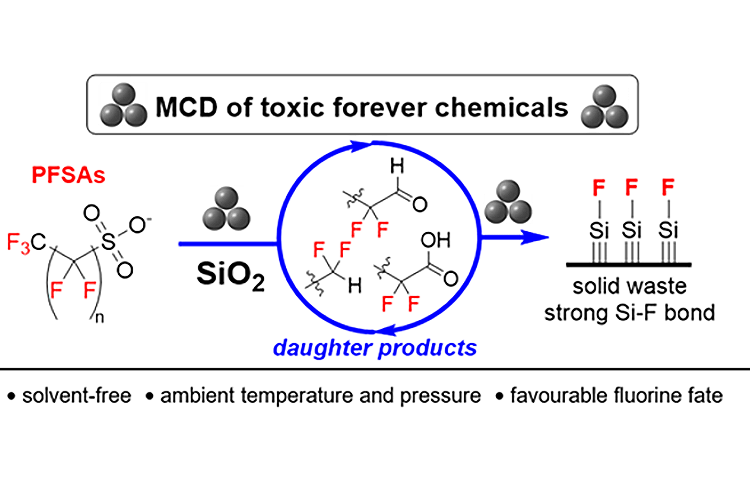
In a detailed study, Gobindlal et al. (2022) [10] investigated the mechanochemical destruction (MCD) of perfluorosulfonic acids (PFSAs), a subclass of persistent per- and polyfluoroalkyl substances (PFASs), using the PM 100.
- Milling Setup: 0.05 g of PFAS standards were mixed with 5 g of quartz sand in a 50 ml stainless steel jar with ten 10 mm stainless steel balls.
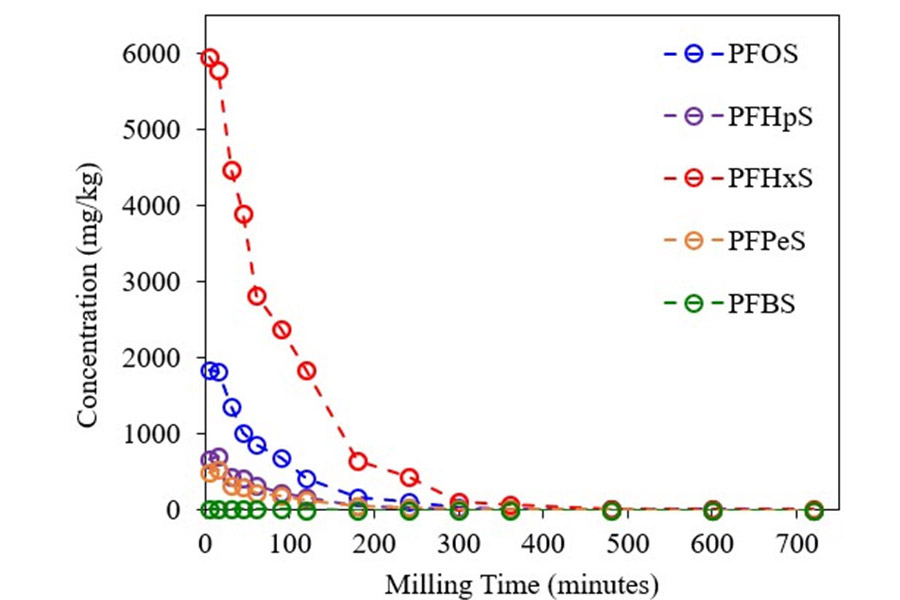
- Milling was performed at ambient temperature and pressure, without solvents or chemical additives. Samples were milled for up to 720 minutes, under relatively mild conditions, to assess degradation kinetics and establish the underlying degradation mechanisms.
- The PM 100 achieved 99.99% degradation of total PFSA content after 720 minutes. Individual compounds like PFOS, PFHpS, PFHxS, PFPeS, and PFBS showed rapid degradation, with PFBS reaching complete destruction by 180 minutes.
Mechanism of Action:
Quartz sand, when ground in the PM 100, generates reactive surface radicals that initiate PFAS breakdown. These radicals facilitate C–F bond cleavage, one of the strongest in organic chemistry, leading to the mineralization of fluorine into stable Si–F bonds. Another study by the same group highlights the scalability and effectiveness of MCD using the Retsch PM 100 planetary ball mill for the remediation of PFAS-contaminated land and the destruction of stockpiled AFFFs.
Functionalizing biomass for pharma applications via mechanochemistry
Mechanochemistry is transforming how functional biomaterials are made, and cationic cellulose is a prime example. Using a solvent-free process, cotton fibers are combined with a catalytic base and a minimal additive, then milled together with the cationic reagent to activate the reaction using the Mixer Mill MM 400. This solid-state approach eliminates water and bulk solvents, dramatically reducing chemical use and waste compared to conventional methods. After milling, a short aging step completes the reaction, delivering highly charged cellulose fibers with exceptional performance. [14]
Optimal reaction conditions: Cotton fibers were milled in a 50 ml stainless steel jar with 3 x 10 mm balls for 5 min at 25 Hz, then EPTMAC was added, and the mixture was milled for additional 30 min. The subsequent aging of the reaction mixture at 50 °C for 24 h, followed by Soxhlet extraction (48 h) and freeze drying, resulted in the isolation of pure cCF material.
Why is this exciting for pharma?
These cationic fibers show strong electrostatic binding to viruses, enabling efficient removal of pathogens from water and process streams—critical for sterile manufacturing and clean water applications. Beyond filtration, the material offers potential in drug delivery, antimicrobial surfaces, and bioprocessing aids. The process achieves outstanding sustainability metrics aligning with green chemistry principles and industry goals. It also allows precise control over charge density for tailored performance.
This innovation demonstrates how mechanochemistry can deliver high-value, eco-friendly solutions for pharmaceutical production—combining safety, efficiency, and sustainability in one breakthrough approach.
Influence of temperature in mechanochemistry
In mechanochemistry, temperature significantly affects reaction efficiency and can even dictate the reaction type. There is a growing interest in heating mills to embody the "beat and heat" concept, though cooling also plays a role in reaction outcomes. In some cases, temperature may not have a discernible impact. The diagram illustrates the temperature ranges covered by RETSCH ball mills. The following examples demonstrate the potential influence of temperature on chemical reactions.
Cooling enables stabilization of intermediate products (derivates) in mechanochemistry
Reactions involving thermally unstable intermediates can be precisely controlled by synthesizing them while simultaneously cooling, for example, to -5°C in the MM 500 control, where the external chiller is set to -5°C, and the cooling agent actively cools the thermal plates and thereby also the jars and the sample. This process stabilizes the thermally unstable intermediates, ultimately enhancing their yield. The MM 500 control's temperature management enables entirely new reactions, as demonstrated by the synthesis of ZIF-8 from 2-methylimidazolium and zinc oxide.
The MM 500 control allows precise control over product formation in mechanochemical processes through the use of varying temperature levels. Furthermore, by connecting to a cryostat or the CryoPad, reactions can be stabilized across other temperature ranges down to -100°C, vastly expanding the potential for discovering new synthesis pathways and products. The CryoPad enables accurate temperature control, allowing for the selection and regulation of temperatures on the thermal plates from 0°C to -100°C.
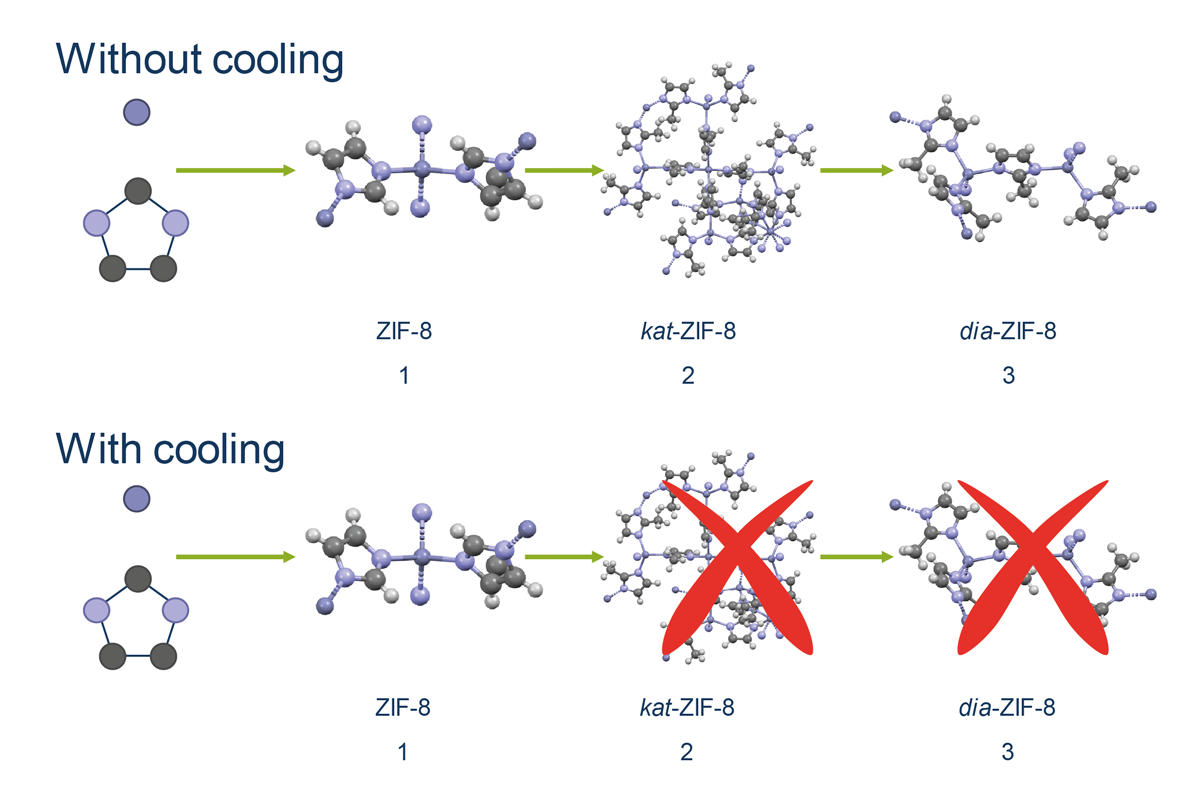
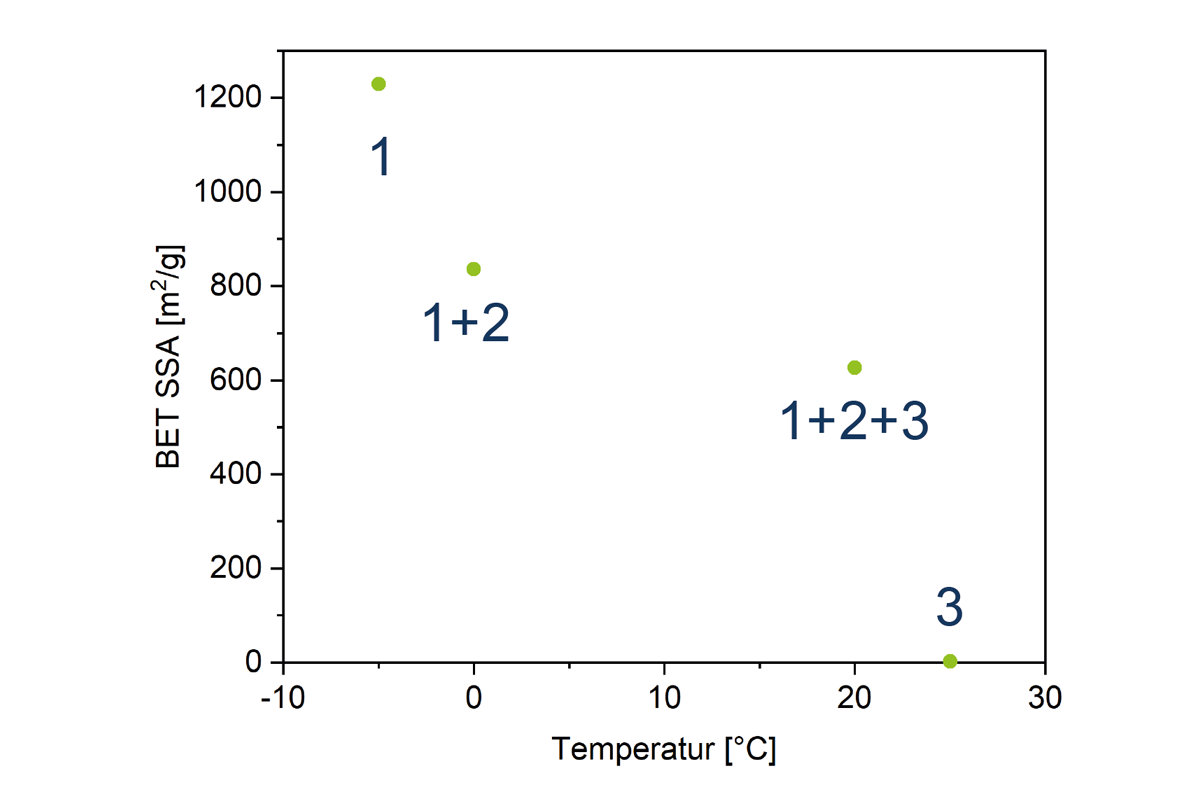
The further reaction to kat-Zif-8 and dia-ZIF-8 could be stopped as soon as the temperature of the thermal plates was set to -5 °C by means of a chiller. An increase by 5 °C still led to the formation of the second intermediate kat-ZIF-8. At 20 °C of the thermal plates, all three products were found; when synthesizing without cooling, the actual reaction is completed, only dia-ZIF-8. Results presented by the group of Lars Borchardt. [3]
Heating leads to different results or faster reactions with higher yields in mechanochemistry
In mechanochemistry, energy input via heat can also be beneficial for reactions and lead to better yields or different reaction types. There are reaction pathways such as the Suzuki Miyaura cross-coupling reaction where a higher temperature accelerates the reaction, similar to classical chemistry using Bunsen burners. [3] In one instance, heat guns were employed to warm the grinding jars of the MM 400.
A more controlled way of heating is possible with the MM 500 control, which can be connected to a cryostat. This setup uses a thermal fluid to heat the thermal plates up to 100°C, thereby efficiently transferring heat to the jars and facilitating the reaction.
An example of heating in mechanochemical reactions is depicted in the diagram, involving the reaction of a primary amine with phthalic anhydride. Using either the MM 500 vario or the MM 500 control at room temperature yields only the monoamide. In contrast, milling for three hours at 80°C results in the formation of the desired imide with approximately 75% isolated yield.
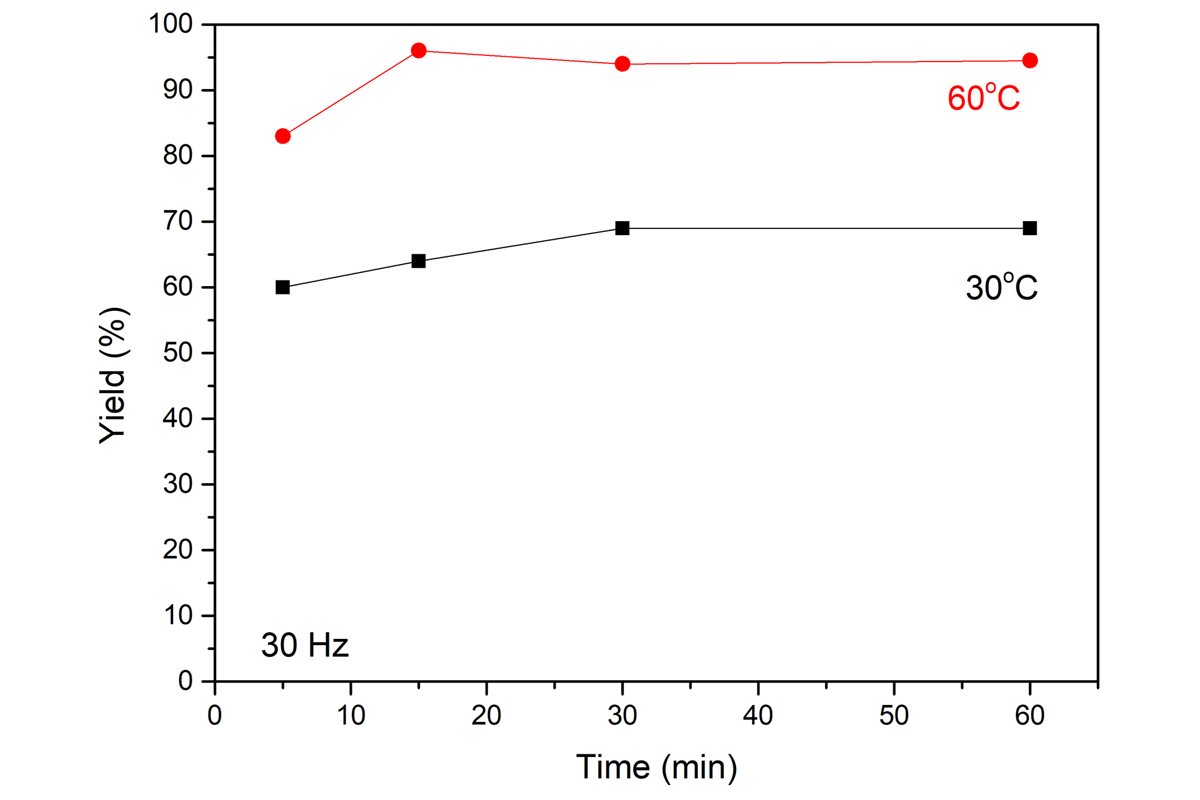
Another illustration of how temperature affects mechanochemical reaction yields in ball mills is demonstrated by synthesizing a metal-organic compound in the MM 500 control. At 30°C, a maximum yield of approximately 70% was achieved after 30 minutes, with no improvement from extending the grinding time. However, when the temperature was maintained at 60°C using a thermostat, nearly complete reaction occurred within just 15 minutes.
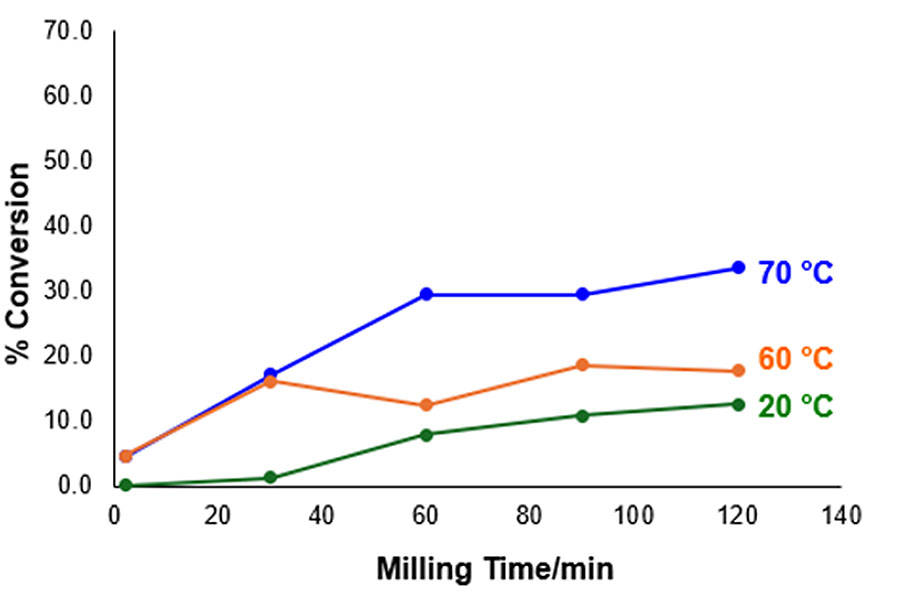
A second example shows the degree of conversion during an organic reaction conducted in the MM 500 control. Simply milling the reactants without heating only gives 10 % yield after 2 hours. However, heating at 70 °C increases this to 35 %. Further improvements are also possible with optimisation of scale, milling speed etc., but heating is critical to achieving a good yield.
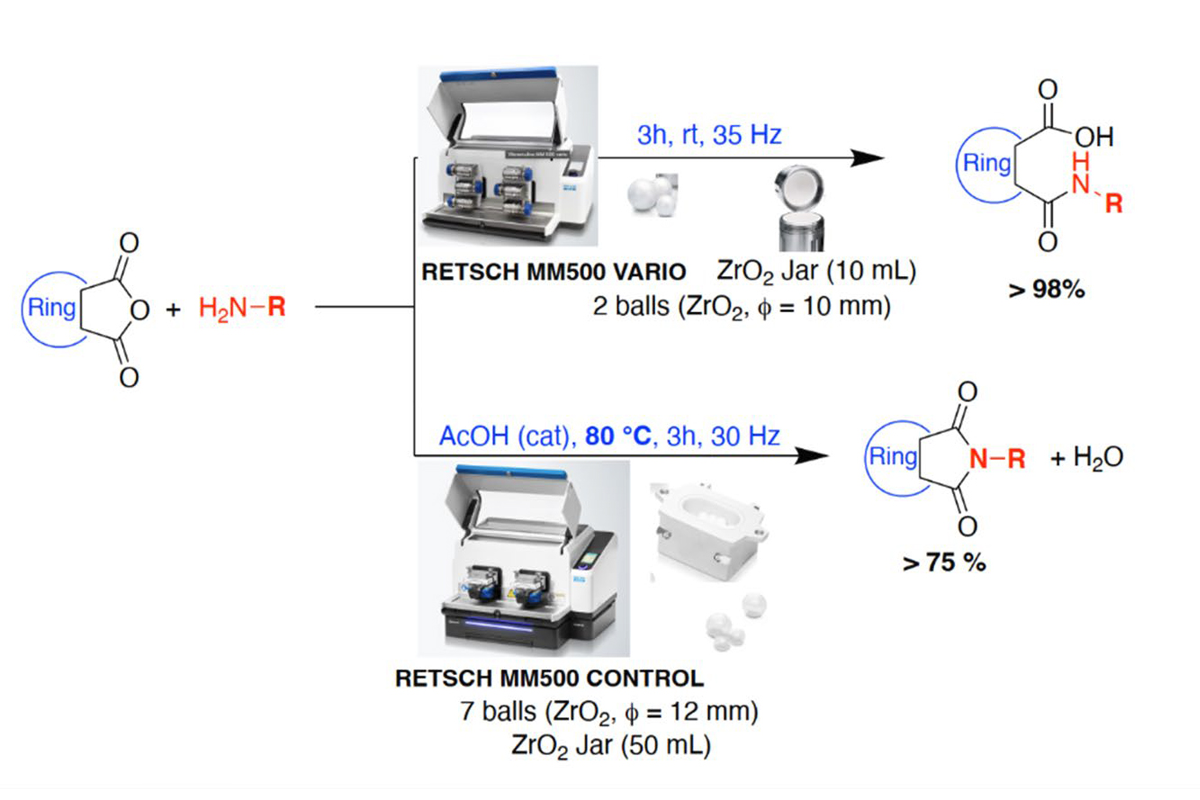
The temperature can determine the type of reaction in a ball mill, as shown in this example. By regulating the temperature level, the reaction can be precisely controlled and different products can be achieved.Results presented by the group of Andrea Porcheddu. [4]
Система измерения GrindControl GrindControl shows what’s happening inside the grinding jar – in real time
GrindControl provides real-time visibility into processes inside the grinding jar. Pressure and temperature are continuously monitored—ensuring safe, precise control, even with sensitive or reactive materials. Respond promptly to unexpected pressure spikes, and keep a close eye on temperature-sensitive samples and even mechanochemical reactions at all times.
GrindControl at a glance
- Real-time data on pressure & temperature
- Early detection of critical conditions
- Precise process control
- Protection of sensitive materials
- Reproducible results
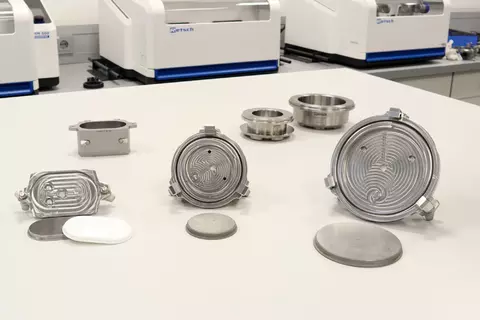
Small sample volumes and high sample throughput for screening purposes
In mechanochemistry, pharmaceuticals, or R&D in general, testing reactions typically involves small sample volumes due to the high cost or limited availability of materials. Utilizing small grinding jars is therefore beneficial. The minimum grinding jar volumes for mixer mills are 1.5 or 2 ml in stainless steel, with 5 ml or 10 ml jars being more commonly used. For applications requiring zirconium oxide or tungsten carbide jars, the smallest available size is 10 ml. To accommodate all requirements, Retsch offers a comprehensive selection of adapters and multi-cavity jars:
- An adapter that holds 4 x 5 ml stainless steel grinding jars is available for the MM 400, MM 500 vario, and CryoMill, allowing for processing of 8, 24, or 4 samples simultaneously.
- 2 ml stainless steel tubes fit into adapters for the MM 400 (20 samples), MM 500 vario (50 samples), or CryoMill (6 samples).
- These 2 ml tubes can also be used with a different type of adapter in the MM 500 nano or MM 500 control, accommodating 18 samples per batch.
- Stainless steel tubes are particularly advantageous for cryogenic applications, as they do not break like plastic tubes.
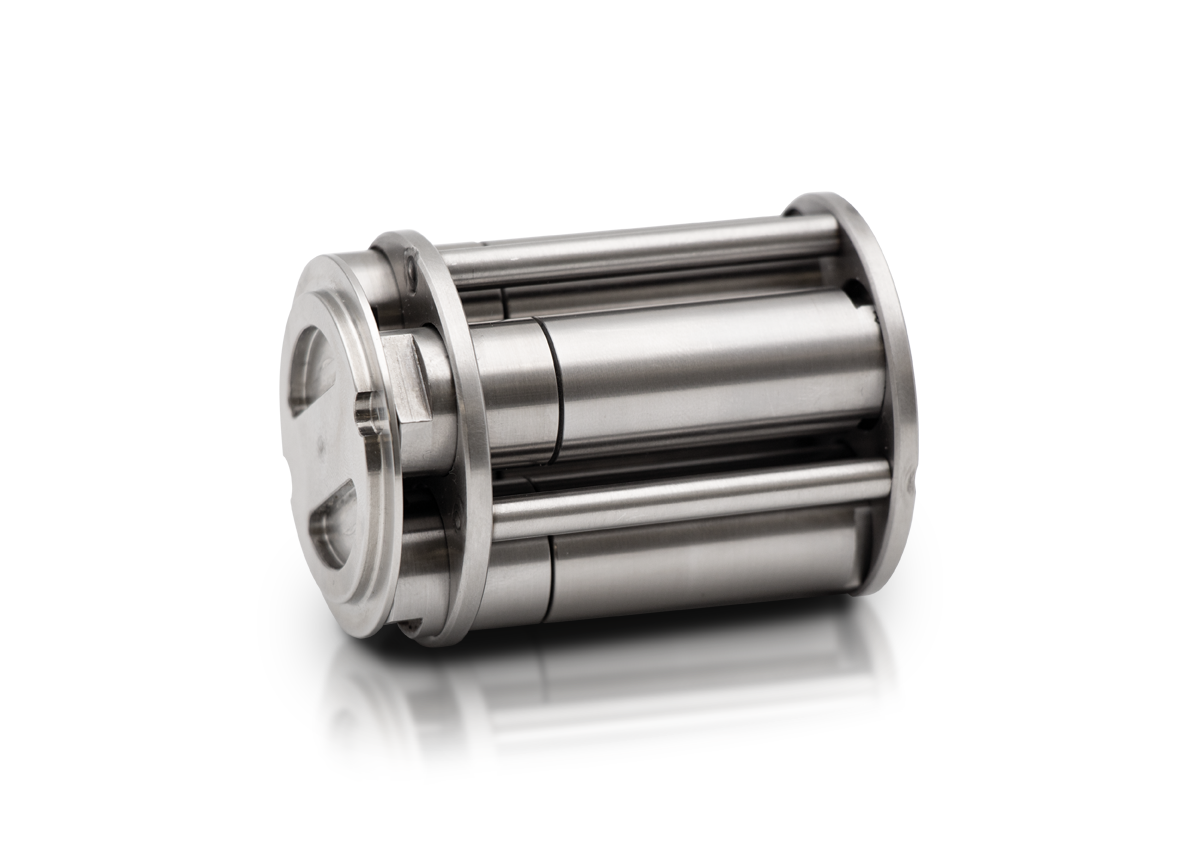
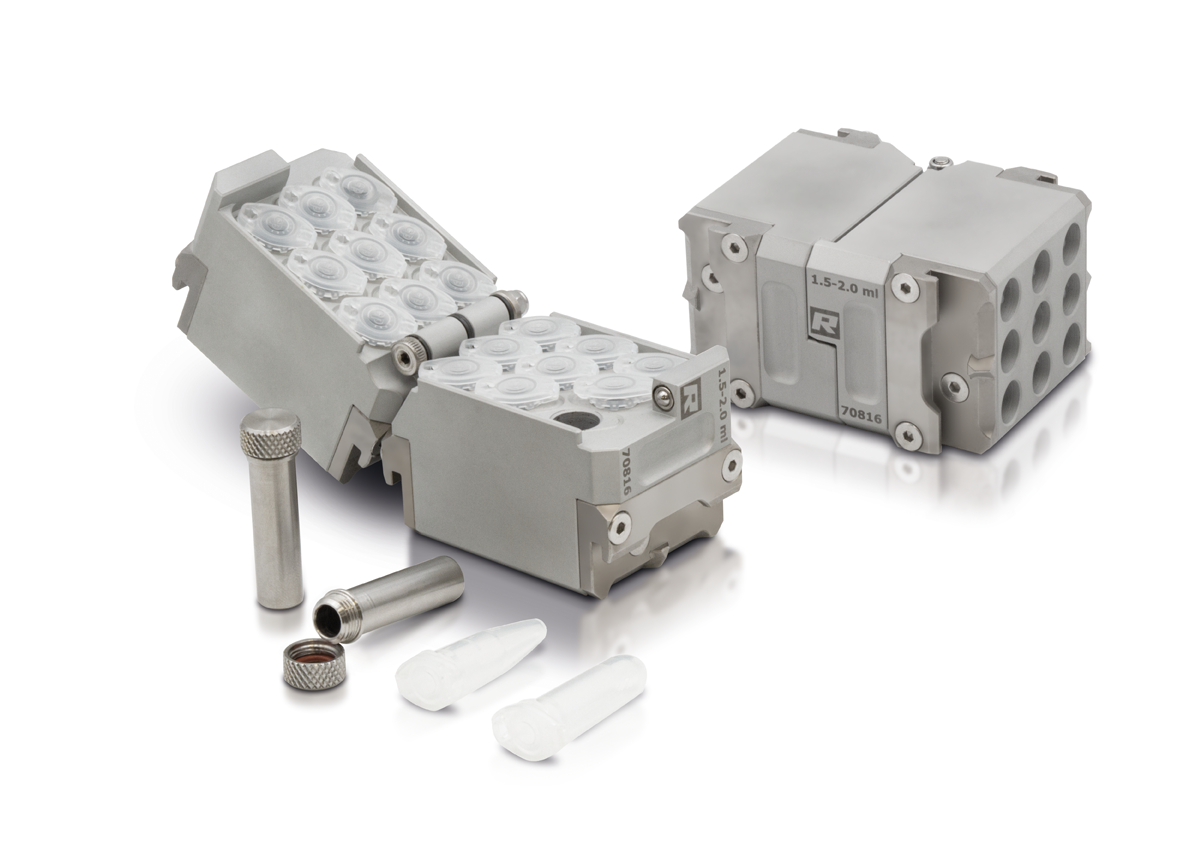
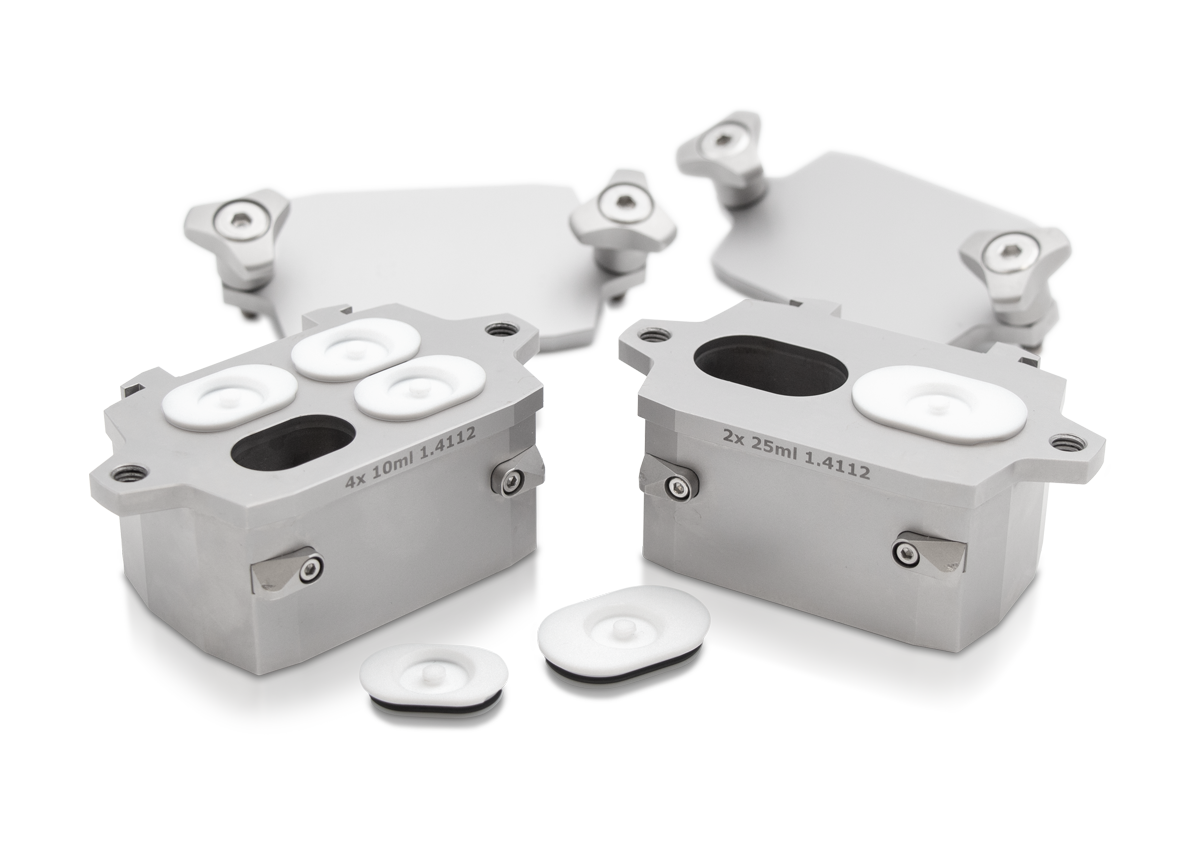
Additionally, the MM 500 control and MM 500 nano can accommodate 2 x 25 ml or 4 x 10 ml multi-cavity jars, producing grinding results comparable to those achieved with 10 ml or 25 ml jars in the MM 400. In Planetary Ball Mills, 12 ml or 25 ml stainless steel grinding jars can be utilized and even stacked to double the sample quantity. An adapter for 1.5 ml glass vials is also available, suitable for mechanochemical applications—more details in the following section.
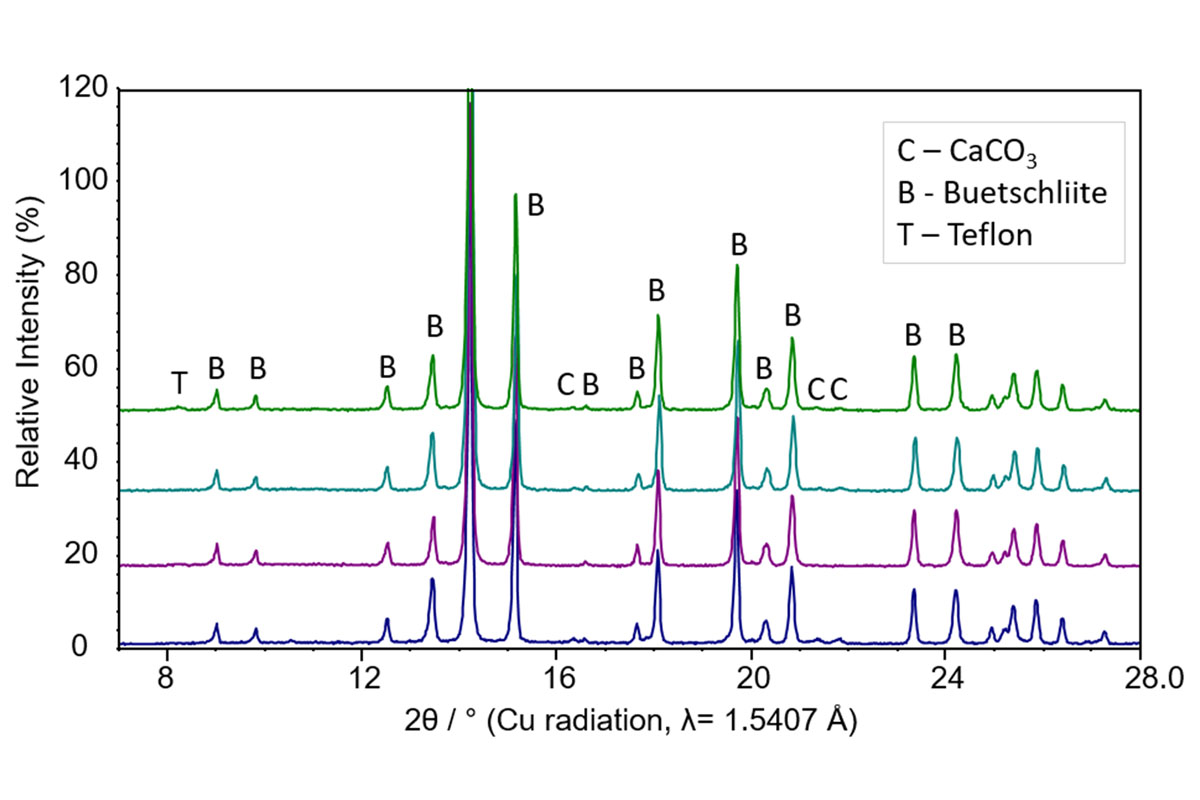
Successful Mechanochemical Synthesis of Bütschliite from Carbonates
A 1:1 molar ratio of K2CO3 and CaCO3 (total mass of 0.5 g) was milled in the 5 ml jars for 2 h at 30 Hz. 3 x 7 mm steel balls per jar were used, corresponding to a B/P ratio of 8.4:1. The reaction to buetschliite K2Ca(CO3)2 was successful and reproducible in the 4 jars. Results presented by the group of Claudia Weidenthaler. [8]
The solution for efficient and sustainable co-crystal synthesis
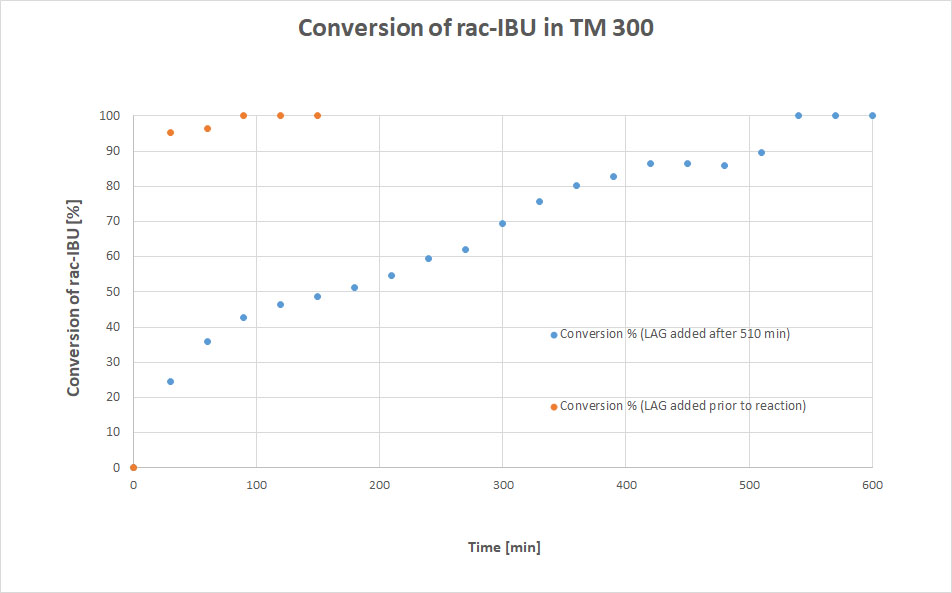
The TM 300 is capable of meeting the demands of modern pharmaceutical manufacturing. This can be demonstrated by the example of the mechanochemical synthesis of rac-Ibuprofen:Nicotinamide co-crystals. The TM 300 is an environmentally friendly alternative to conventional solution-based methods. In just 90 minutes, 3.2 kg of co-crystals with a yield of 99 % were produced, using only minimal amounts of ethanol in the LAG process.
The diagram shows a conversion of rac-IBU. Blue plot: neat grinding approach with addition of 10 kg of balls (d = 10 mm) after 270 min and 10 kg of balls (d = 30 mm) after 360 min; addition of LAG additive EtOH after 510 min. Orange plot: LAG-assisted approach with EtOH added prior to the reaction and 20 kg balls 10 mm.
Results presented by the research group of Michael Felderhoff [6]
TM 300 enables mechanochemical processes to be carried out on a kilogram scale, opening up new possibilities for sustainable industrial manufacturing processes. Particularly interesting is the minimal metal abrasion – the measured values were well below concerning levels and significantly lower than, for example, in eccentric vibratory mills. The table shows the minimal abrasion values in the TM 300 during the test run.
| Образец | Al [ppm] | Cr [ppm] | Co [ppm] | Fe [ppm] | Ni [ppm] |
|---|---|---|---|---|---|
| Raw material IBU | 11.3 | 39.0 | 25.7 | 71.9 | 34.9 |
| Raw material Nicotinamid | 8.9 | 33.3 | 26.7 | 40.0 | 33.3 |
| Co-crystals after 30 min | 10.8 | 35.9 | 30.8 | 51.3 | 38.5 |
| After 60 min | 11.0 | 37.0 | 31.7 | 63.4 | 39.6 |
| After 90 min | 17.2 | 43.8 | 35.9 | 64.6 | 45.3 |
Results presented by the research group of Michael Felderhoff [6]
Setup:
- 2,03 kg rac IBU; 1,20 kg NIC
- 10 l drum for wet grinding, 20 kg 10 mm grinding balls stainless steel
- LAG Ethanol 0.1 ml/g
- 60 rpm for 90 min
- 99 % yield
Co-crystal screening
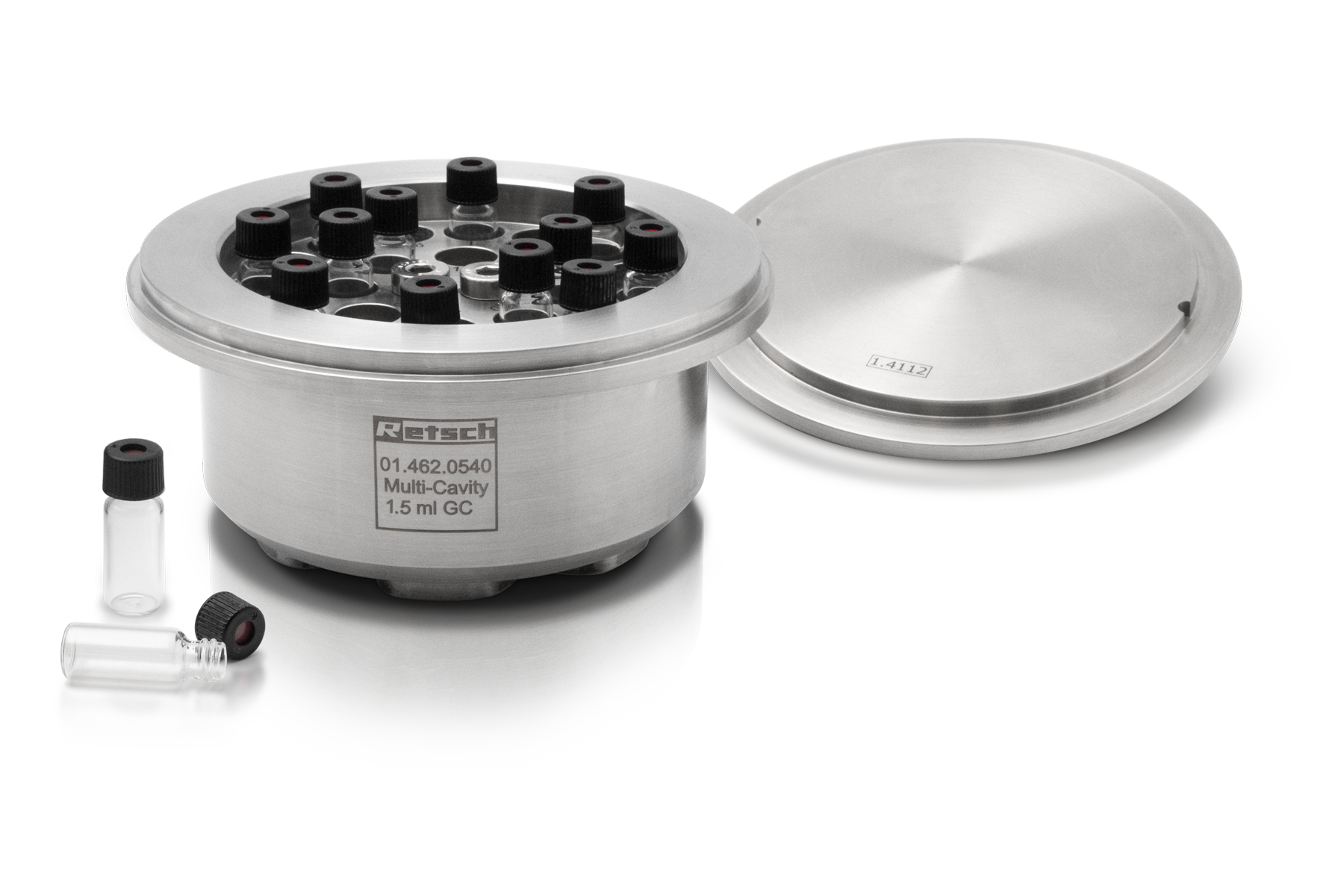
With a special adapter, co-crystal screening can be carried out in a planetary ball mill, using disposable vials such as 1.5 ml GC glass vials. The adapter features 24 positions arranged in an outer ring with 16 positions and an inner ring with 8 positions. The outer ring accepts up to 16 vials, allowing for screening up to 64 samples simultaneously when using the Planetary Ball Mill PM 400. The 8 positions of the inner ring are suitable to perform trials with different energy input, e.g. for mechanosynthesis research.
This adapter is compatible with the PM 100, PM 300, and PM 400 models.

The video shows use of Planetary Ball Mills for co-crystal screening.
Co-crystallization
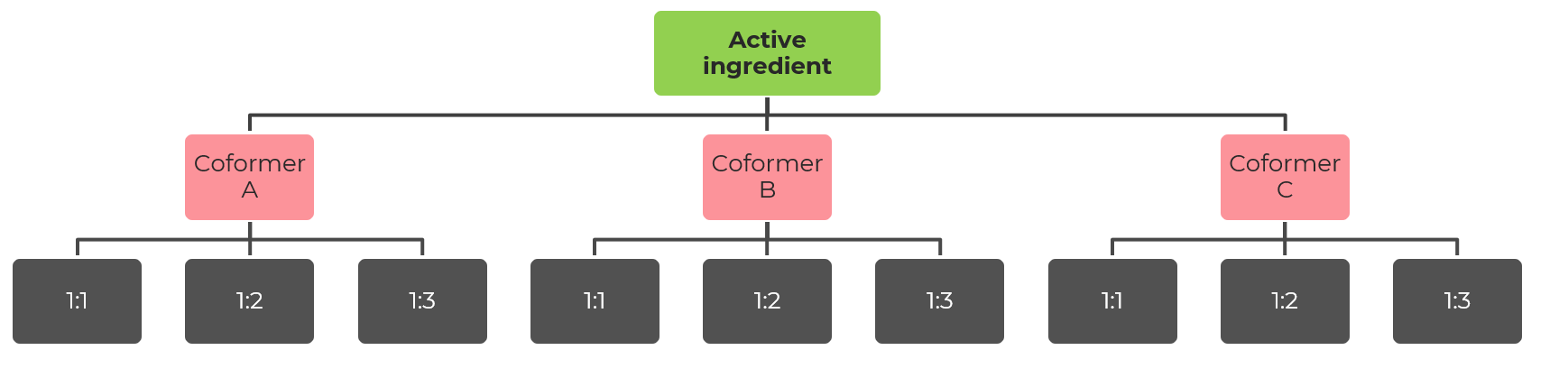
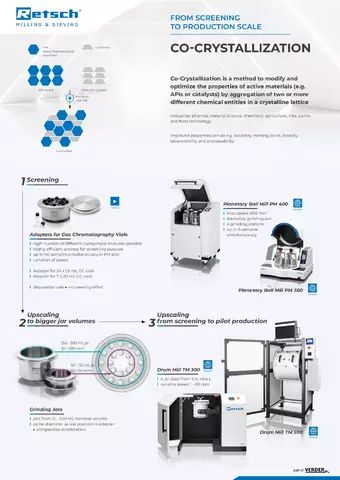
Co-Crystallization is a method to modify and optimize the properties of active materials (e.g. APIs or catalysts) by aggregation of two or more different chemical entities in a crystalline lattice.
Co-Crystal Screening with the MM 400
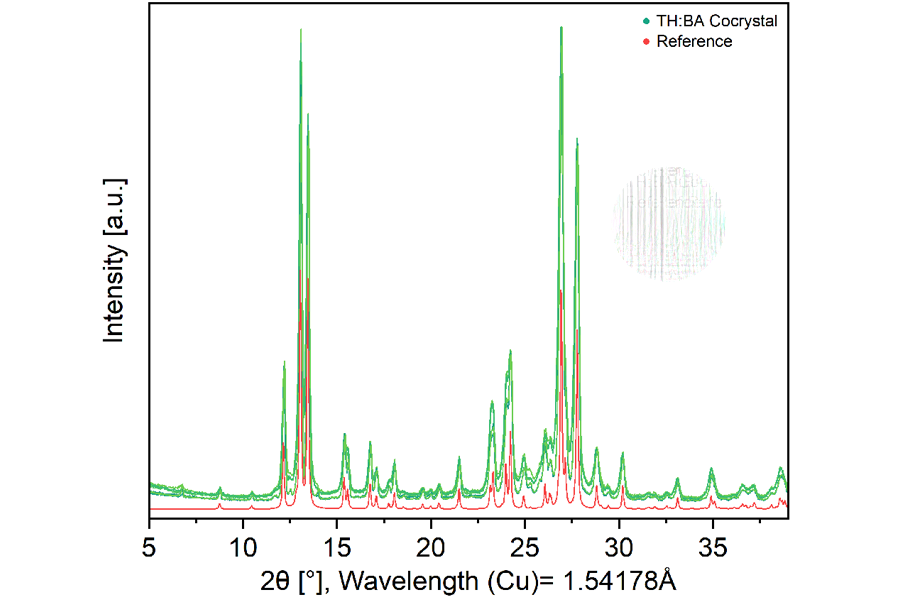
Co-crystal screening can be effectively performed in Mixer Mills. In a study [9] using the MM 400, 2 ml steel tubes and the corresponding PTFE adapter were employed to co-crystallize theophylline and benzamide in a 1:1 ratio under the following conditions:
- 60 min milling time
- 30 Hz frequency
- One 6 mm steel ball per tube
- Four experiments without solvent and four with 20 µL ethanol
Co-crystal screening can be effectively performed in Mixer Mills. In a study [9] using the MM 400, 2 ml steel tubes and the corresponding PTFE adapter were employed to co-crystallize theophylline and benzamide in a 1:1 ratio under the following conditions:
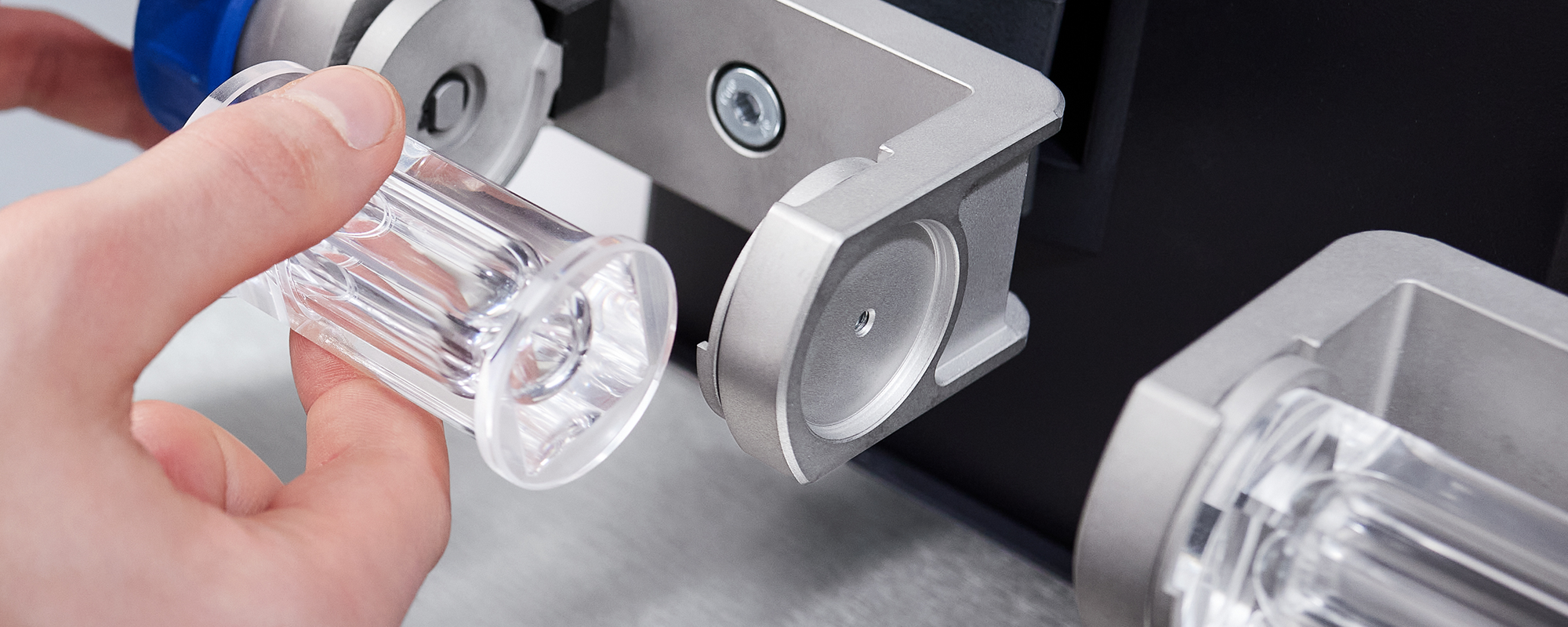
MM 400: Ready for in-situ RAMAN Spectroscopy and light-induced reactions
A new feature of the MM 400 was developed with mechanochemical applications in mind: transparent grinding jars are the basis for RAMAN in-situ spectroscopy, allowing for observation of the chemical reactions taking place inside. The best way to do this is to place the RAMAN spectrometer underneath the jars. The cover below the grinding jars can be easily removed by loosening three screws. The bottom plate of the machine has two openings through which the RAMAN spectrometer points towards the bottom of the grinding jars. Thanks to this special setup, the MM 400 is perfectly equipped for mechanochemical purposes. Thanks to their transparency the PMMA jars are also suitable for conducting photo-mechanochemical reactions.
Upscaling of mechanochemical reactions
Mixer mills serve as essential tools for conducting mechanochemical tests and trials. However, with a maximum grinding jar size of 125 ml, their upscaling capabilities are limited. The logical progression is to use planetary ball mills, which can accommodate up to 4 x 500 ml jars per batch. Given the differing function principles between these mills, direct transfer of successful reactions from mixer mills to planetary ball mills is not guaranteed, necessitating new trials.
For upscaling even further, RETSCH offers the Drum Mills TM 300 and TM 500 which are equipped with drums comprising up to 150 liters. The operational mechanism of drum mills differs from that of mixer mills and planetary ball mills, typically resulting in a lower energy input due to their slower speeds. Initial scaling trials have shown promising results.
Drum Mills - fine grinding of large volumes
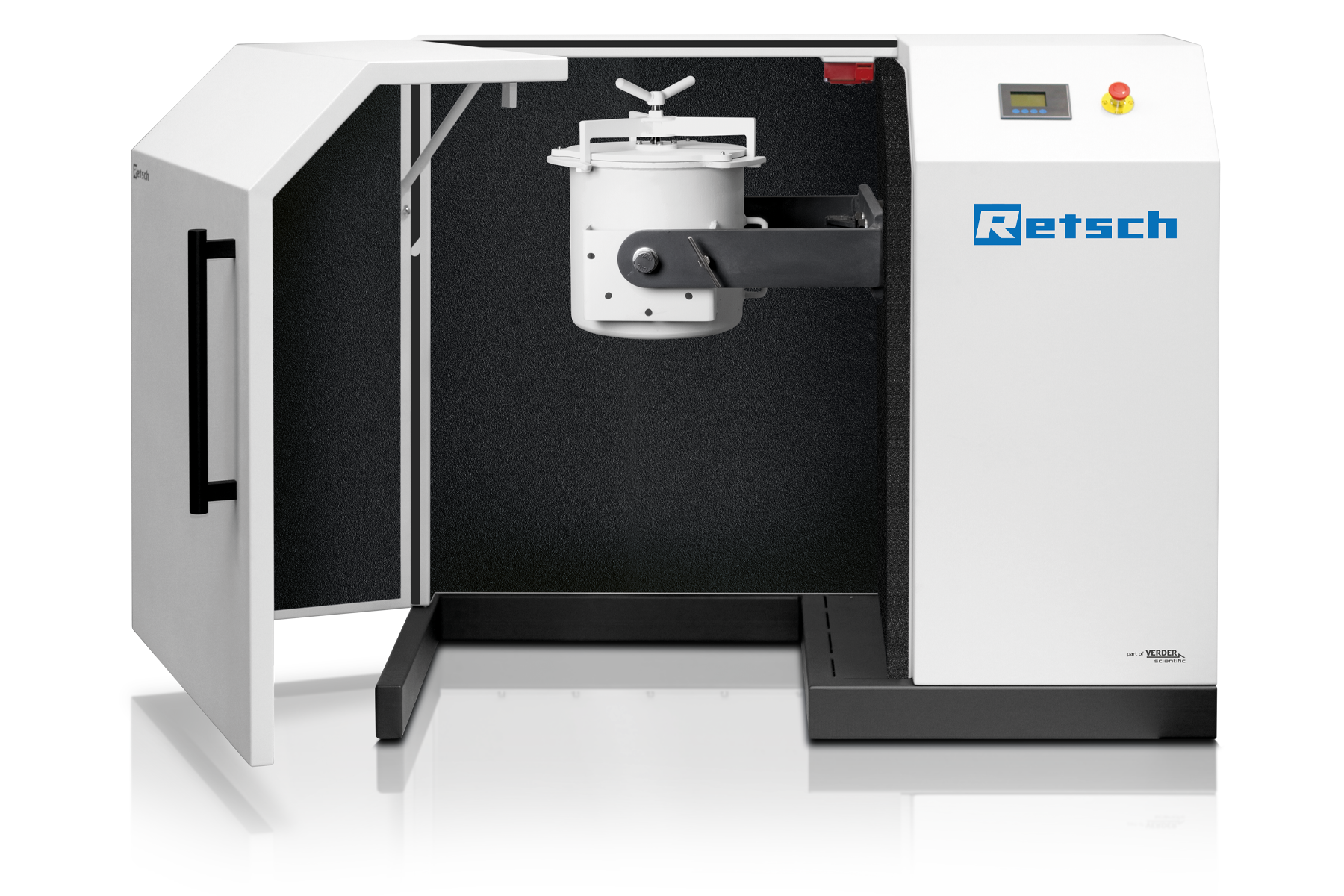
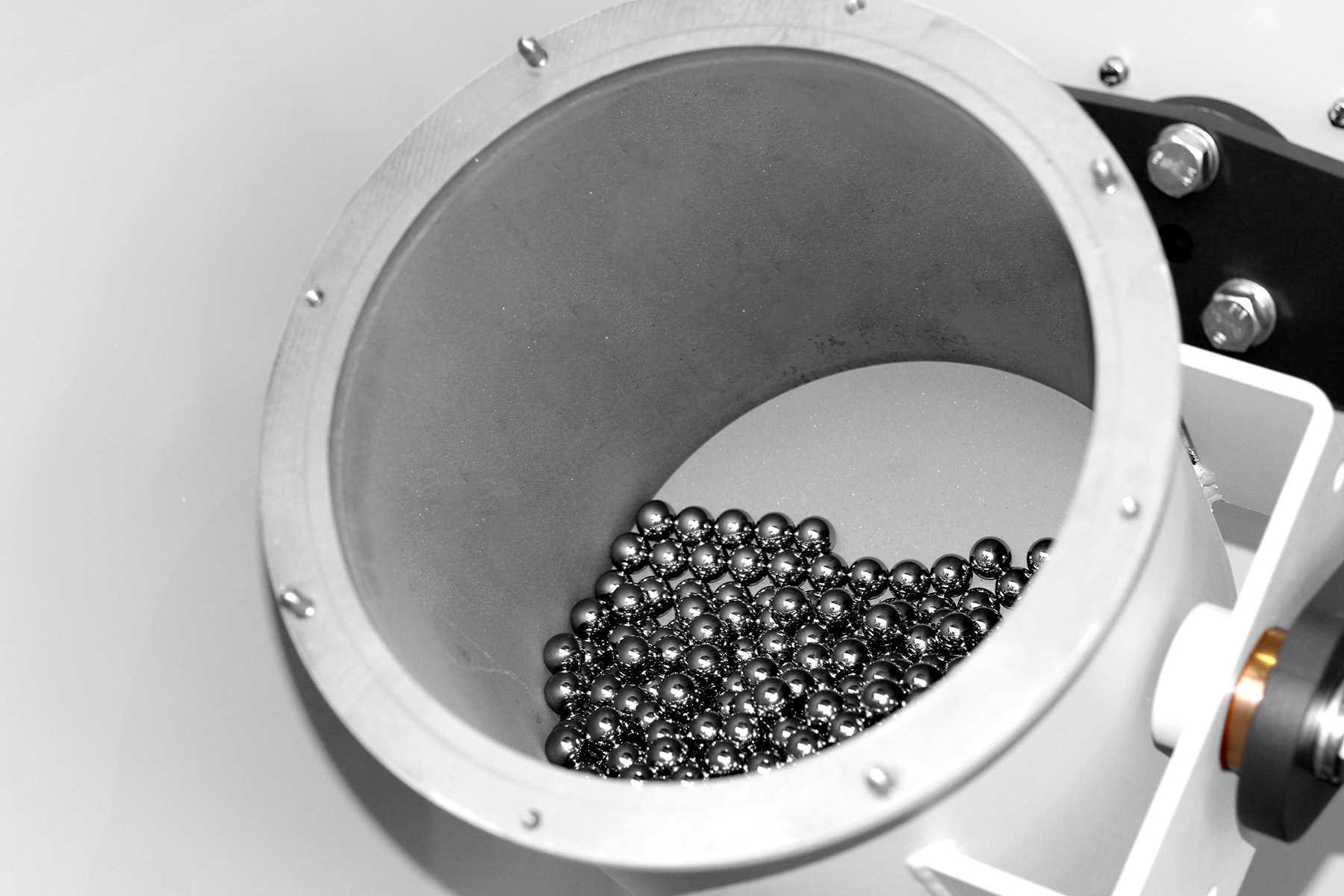
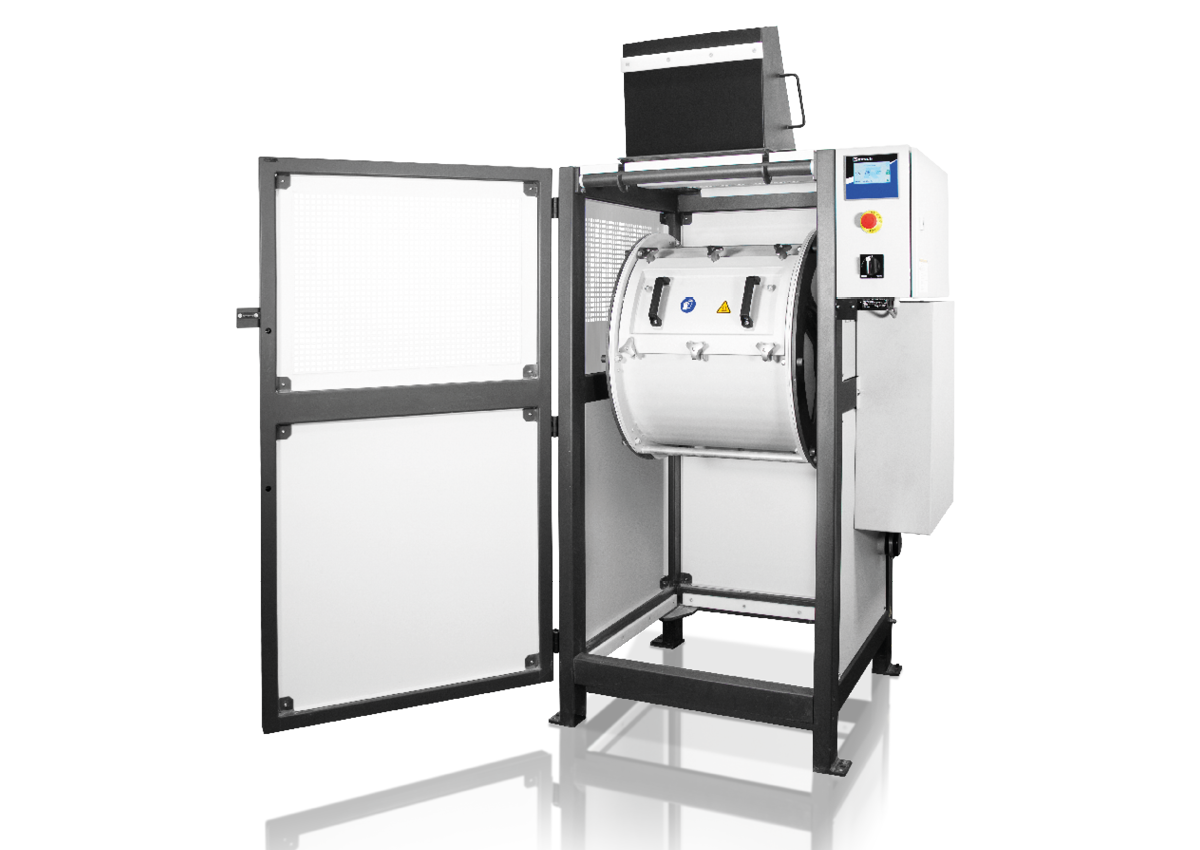
As the drum of the TM 300 rotates, friction causes the grinding balls to ascend the drum wall. This distance grows with the drum's speed until centrifugal forces surpass gravitational forces, causing the balls to adhere to the wall throughout the rotation. This speed is called the "critical speed" = NC.
NC = 42.3/{√(D-d)} [revolutions per minute]
D = inner diameter of the drum [m] = 0.3 m for TM 300 [rpm]
d = ball diameter [m]
The critical speed is ~80 rpm but varies depending on the ball diameter.
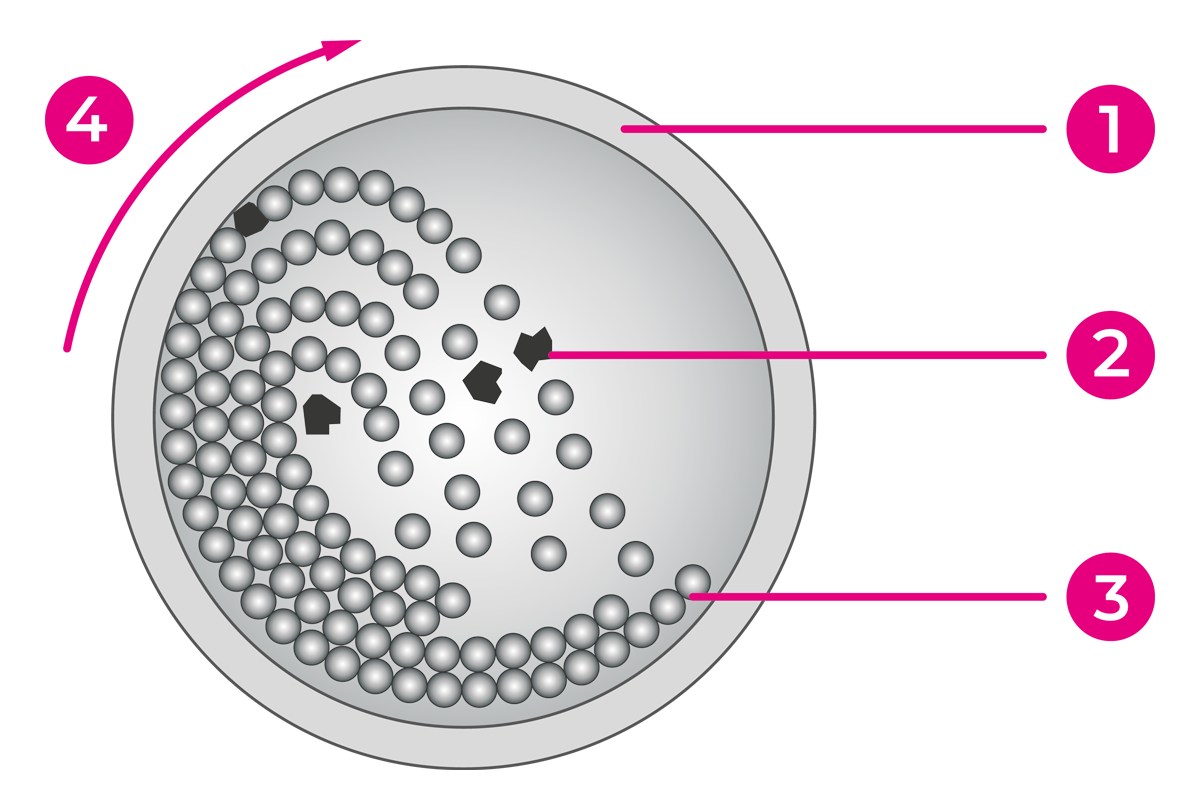
2. Sample
3. Grinding balls
4. Direction of rotation
The TM 300 operates in two different modes: Cataract and Cascade. In Cataract mode, the device runs at approximately 70% of its critical speed, equating to 55-60 rpm for the TM 300. This speed enables the balls to travel significantly along the drum's wall. Although they don't reach the critical speed, the balls eventually detach from the wall, traverse beyond the drum's center, and impact the sample at the drum's bottom. This mode is particularly beneficial for quickly breaking down larger particles.
In Cascade mode, activated at about 50 rpm (less than 70% of the critical speed), the balls ascend less on the wall. Upon detachment, they tend to roll down rather than flying across the drum's center, resulting in friction rather than impact.
Filling levels of grinding jars for mechanochemical applications
In mechanochemistry, particularly with planetary ball mills, the approach to ball filling deviates from the conventional one-third rule (1/3 balls, 1/3 sample, 1/3 empty space), due to the frequent need for high acceleration and the occasional scarcity of sample material (educts). The focus shifts towards using a specific mass ratio, which requires consideration of the reactant amount and a clear decision on the mass ratio to be employed. Additionally, the balls' size must be determined (refer to the section on mechanochemistry principles) to calculate the required quantity of balls, using their specific weight, which varies with size and material.
Once the number of balls is ascertained, the required grinding jar size becomes apparent. Given that sample quantity in the jars is usually very small, there's a higher risk of damaging both the balls and the jars, than with adhering to the traditional one-third rule.
A mass ratio (w/w) of 1:10 is commonly used but 1:5 or 1:15 are also possible. This means that when 15 g educts are used, 150 g balls are required.
- 150 g = 20 x 10 mm tungsten carbide balls of 7.75 g each.
- For 20 x 10 mm balls, a minimum jar volume of 50 ml is required, better even 80 ml (see recommended jar fillings on product pages of planetary ball mills).
- 150 g = 5 x 15 mm tungsten carbide balls of 26.2 g each require a minimum jar volume of 125 ml.
- 150 g = 11 x 15 mm stainless steel balls of 13.9 g each require a minimum jar volume of 125 ml.
| Размольный стакан номинальный объём |
Количество образца | Макс. размер образца | Ø 5 mm* | Ø 7 mm* | Ø 10 mm* | Ø 15 mm* | Ø 20 mm* | Ø 30 mm* |
|---|---|---|---|---|---|---|---|---|
| 12 ml | до ≤ 5 ml | < 1 mm | 50 | 15 | 5 | - | - | - |
| 25 ml | до ≤ 10 ml | < 1 mm | 95 – 100 | 25 – 30 | 10 | - | - | - |
| 50 ml | 5 – 20 ml | < 3 mm | 200 | 50 – 70 | 20 | 7 | 3 – 4 | - |
| 80 ml | 10 – 35 ml | < 4 mm | 250 – 330 | 70 – 120 | 30 – 40 | 12 | 5 | - |
| 125 ml | 15 – 50 ml | < 4 mm | 500 | 110 – 180 | 50 – 60 | 18 | 7 | - |
| 250 ml | 25 – 120 ml | < 6 mm | 1100 – 1200 | 220 – 350 | 100 – 120 | 35 – 45 | 15 | 5 |
| 500 ml | 75 – 220 ml | < 10 mm | 2000 | 440 – 700 | 200 – 230 | 70 | 25 | 8 |
*Рекомендуемая загрузка шарами (штук)
The table shows the recommended charges (in pieces) of differently sized grinding balls in relation to the grinding jar volume, sample amount and maximum feed size.
Mechanocatalysis with Mixer Mills
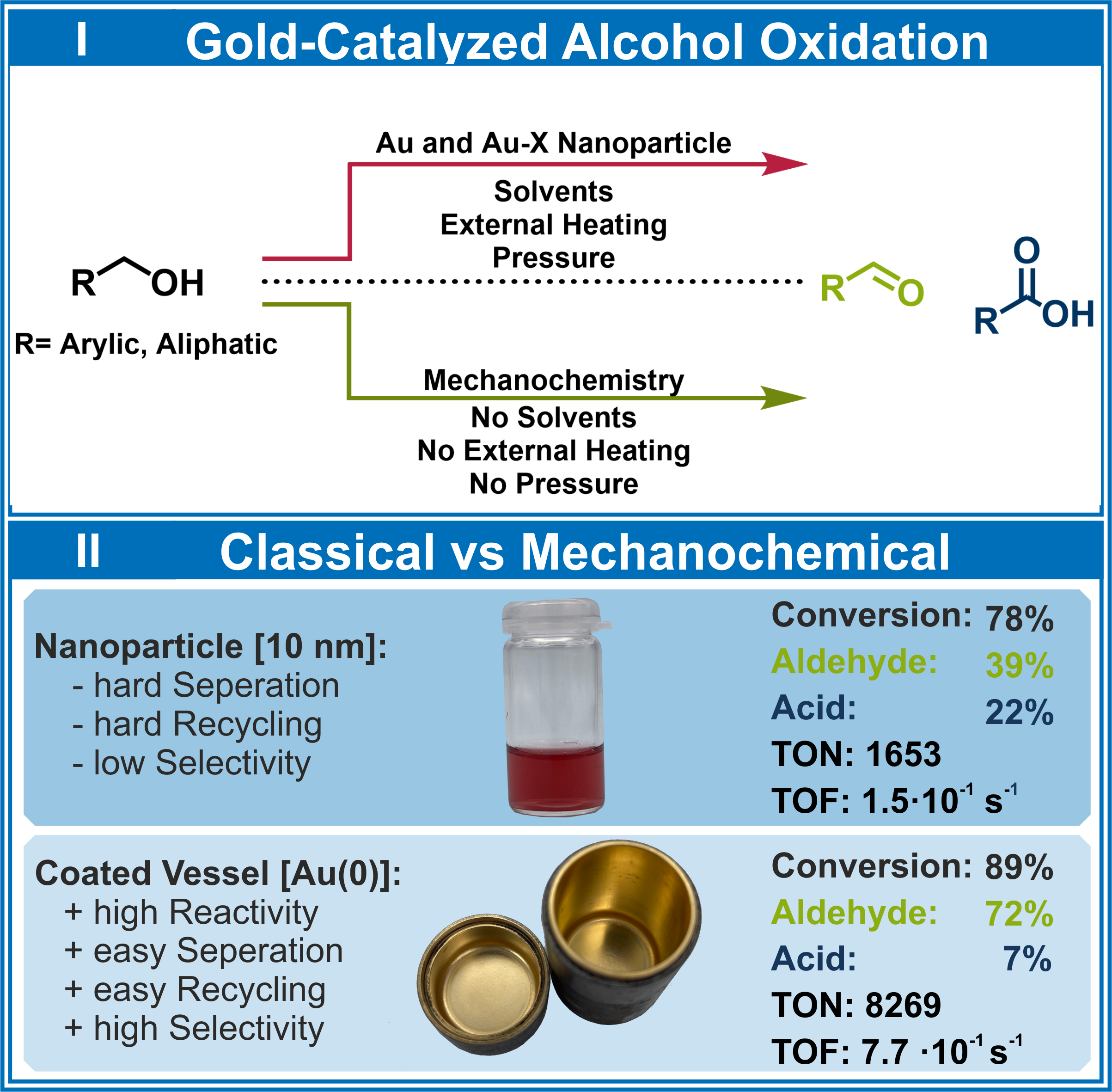
Aldehydes are essential compounds in the chemical industry, indispensable to produce pharmaceuticals, vitamins, and fragrances. The challenge lies in selectively oxidizing alcohols to aldehydes without producing unwanted byproducts such as carboxylic acids and esters. Many traditional methods lead to overoxidation and require the use of solvents and environmentally harmful chemicals, which not only generate hazardous waste but also pose significant health risks to users. Often, high temperatures and pressures are necessary, which can decompose sensitive substrates.
The mechano-catalytic conversion of alcohols to aldehydes has been demonstrated at Ruhr University Bochum and the results have been published [6]. The reaction takes place on the gold surface of a coated 25 ml grinding jar in the MM 500 vario within 3 hours at 35 Hz. The grinding jar's gold layer is only 1 nanometer thick and can be reused multiple times. This catalytic reaction occurs directly in the ball mill, without harmful solvents and under mild conditions, preserving the integrity of the substrates. The yield of aldehydes was higher with the mechano-catalytic approach, and fewer byproducts were formed, compared to the classical method. At 35 Hz, higher yields were observed compared to 30 Hz.
In-situ monitoring of Mechanochemical Synthesis Reactions (MSR)
Monitoring the two variables "pressure" and "temperature" provides valuable information about what is happening inside the grinding jar. RETSCH’s GrindControl system is used to control colloidal or long-term grinding processes, or to successfully perform material syntheses such as mechanical alloying or other mechanochemical processes. The GrindControl system is available for the Planetary Ball Mills PM 100, PM 300 and PM 400, for the Mixer Mills MM 500 nano and MM 500 control and also for the High-Energy Ball Mill Emax. It comprises hardware for pressure and temperature measurement plus analysis software.
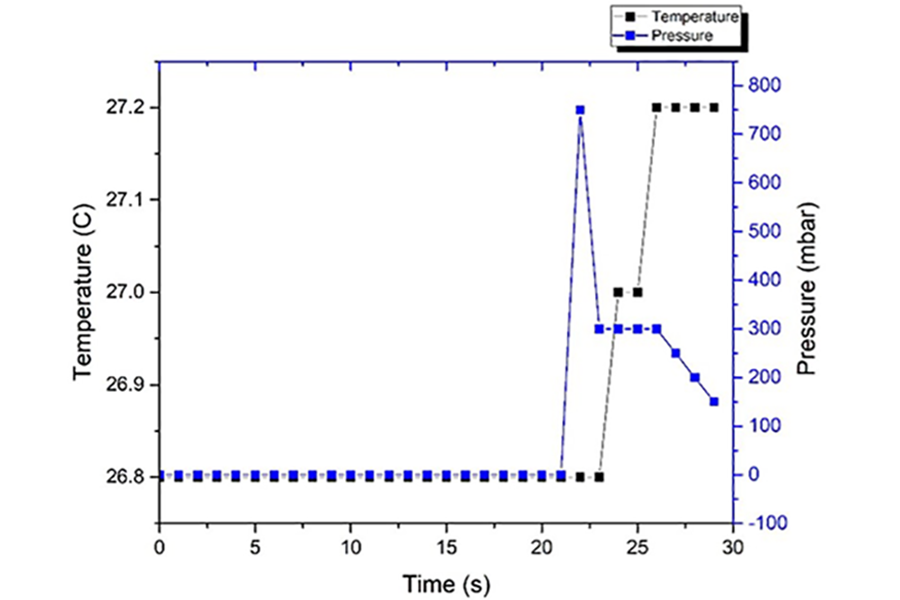
A mechanochemical synthesis was conducted in a Mixer Mill MM 500 nano, using a 125 ml stainless steel grinding jar, equipped with GrindControl for gas and pressure monitoring. The elemental precursors were introduced to the jar together with 32 x 10 mm stainless steel balls. The reaction was conducted under air atmosphere, at 20 Hz. The milling process was stopped when a sudden change in the temperature and pressure indicated the successful completion of the MSR.
The mechanically-induced self-propagating reaction event in the synthesis was monitored by using the GrindControl system. After 20 seconds of milling, an explosion took place, leading to a pressure increase from 0 to 730 mbars and to a rise in temperature. In this application, GrindControl allowed to precisely observe the ignition time during synthesis, the only parameter of interest for the reaction. [7]
Chemistry in the Mill: Teflon Recycling (PTFE) Using Mechanical Energy
Mechanochemical Recycling of PTFE (Teflon)
Mechanochemistry not only enables new synthetic pathways but also opens up innovative approaches for recycling processes involving materials that are difficult to degrade. A recent example from research shows that even the extremely stable polymer polytetrafluoroethylene (PTFE), better known as Teflon, can be degraded mechanochemically. A decisive factor is continuous mechanical stress: During grinding with the RETSCH MM 400, the reacted surface is constantly removed, exposing new surface area. This allows the reaction to proceed until a large portion of the polymer has been converted. In the study, up to 98% of the PTFE was converted into sodium fluoride and elemental carbon.
The resulting products can then be further utilized, for example as raw materials for battery materials or as fluorine-containing building blocks for pharmaceutical and agrochemical applications.
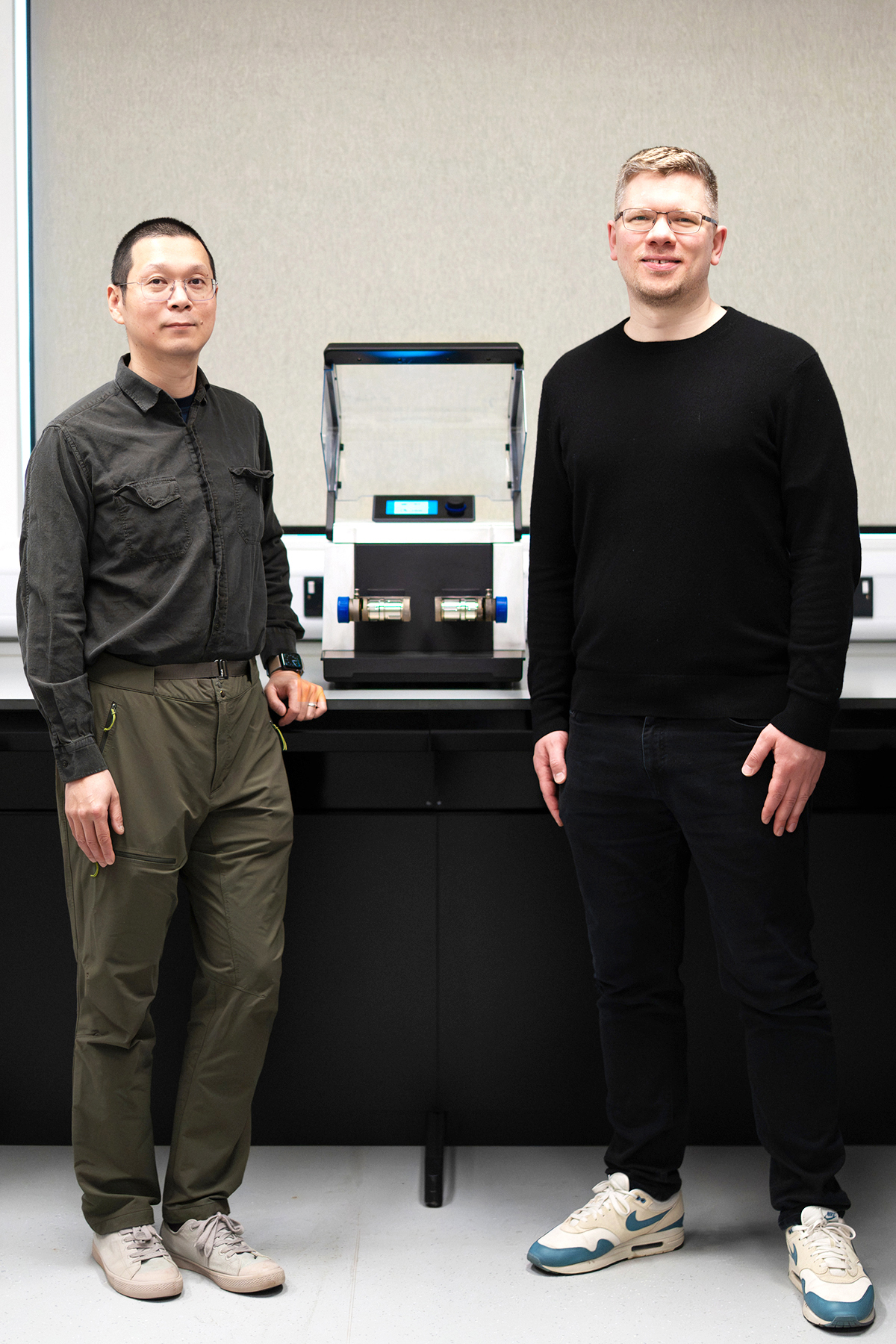
Image on the right: Dr. Erli Lu and Dr. Dominik Kubicki with the Mixer Mill MM 400, which was used to decompose PFAs. [15]
The renowned science program “Forschung aktuell” on Deutschlandfunk radio presented this research approach and its significance for future recycling technologies.
audio
Aeration lids from RETSCH
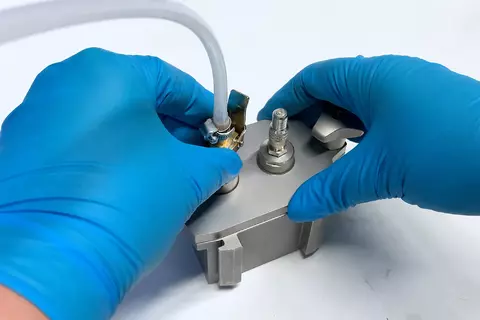
Aeration lids have been engineered to improve both the efficiency and safety of grinding processes in laboratory environments. They are especially beneficial when working with materials that require a controlled atmosphere—such as during wet grinding or when handling reactive substances. In such cases, the internal atmosphere, including oxygen, can be replaced by flushing the jar with an inert gas like nitrogen.
These lids also enable the introduction of gases directly into the grinding jar, which is essential for certain chemical reactions or for maintaining an inert environment. The jars can be pressurized up to 5 bar, which may help facilitate the incorporation of gas molecules into the reaction during milling.
Additionally, aeration lids allow the grinding jar to be connected directly to an analyzer—either after operation in a planetary ball mill (or in the Emax) or even during operation in the MM 500 nano or MM 500 control. This setup makes it easy to analyze gases released during grinding processes or generated by chemical reactions. The lids are equipped with inlays made from various materials—such as stainless steel, zirconium oxide, and tungsten carbide—allowing the same lid to be used with different jar types.
Reproducibility of mechanochemical reactions in the Mixer Mill MM 400
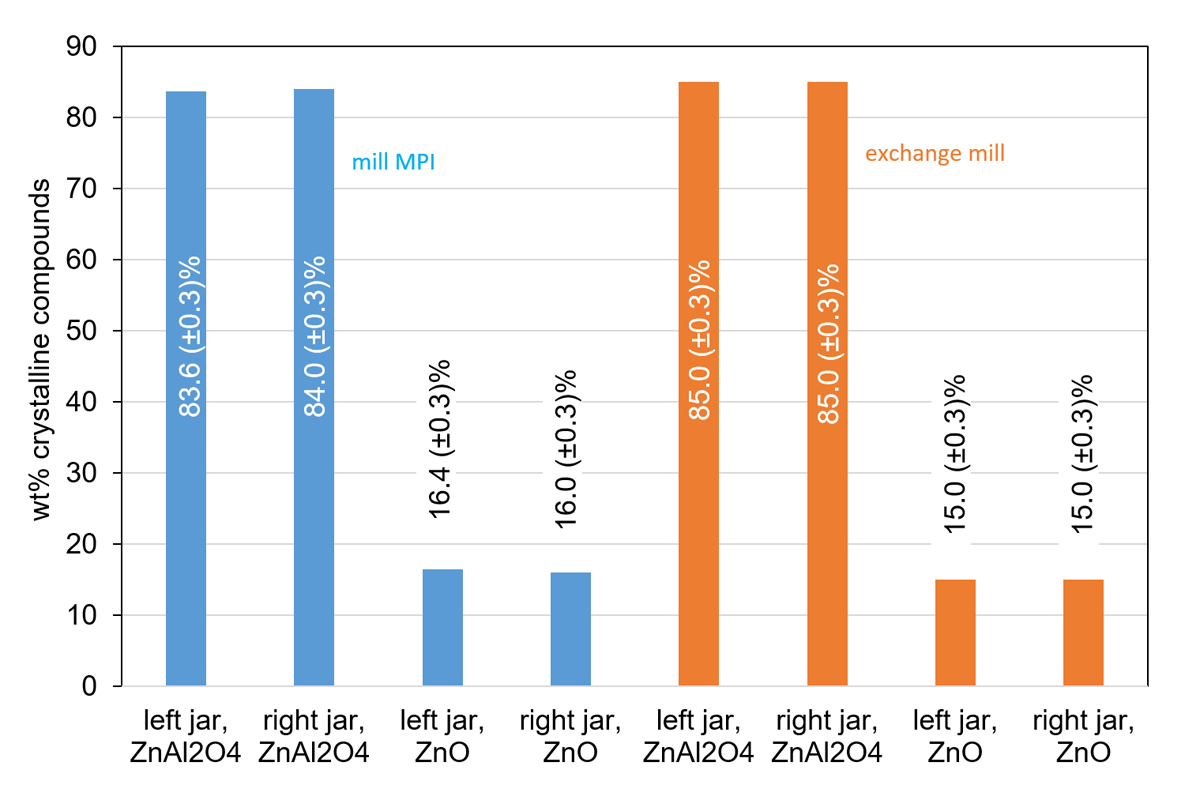
Reproducibility is a fundamental principle of scientific research and is essential for ensuring the credibility and reliability of scientific findings. The Mixer Mill MM 400 was tested regarding the reproducibility within a mechanochemical reaction, and it could be proven that it provides excellent reproducibility during several repetitions, for both clamping positions, and also between different devices. [8]
Minor variations of the frequency from 30 Hz to 29 Hz or 28 Hz have an influence on the yield of the reaction. It is of fundamental interest that the mixer mill maintains a set value, e.g. 30 Hz, and does not deviate from it. A premise which is fulfilled by the MM 400 which comes with a calibration certificate.
The mechanochemical reaction γ-Al2O3 + ZnO -> ZnAl2O4 was conducted for 30 min using 25 ml grinding jars, 2 x 15 mm grinding balls, 1 g educts, at 28 Hz, 29 Hz and 30 Hz five times in a row. The comparison between left and right clamping station showed highly reproducible results, also the comparison between the 5 trials.
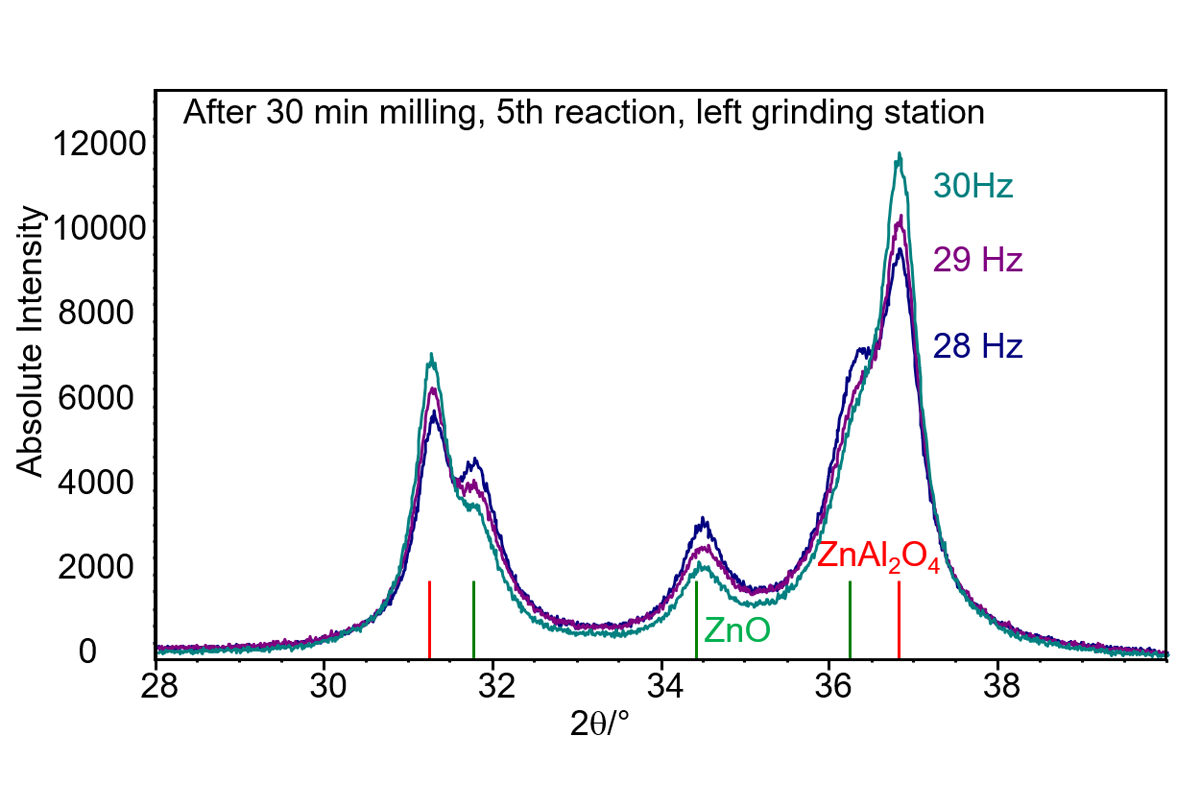
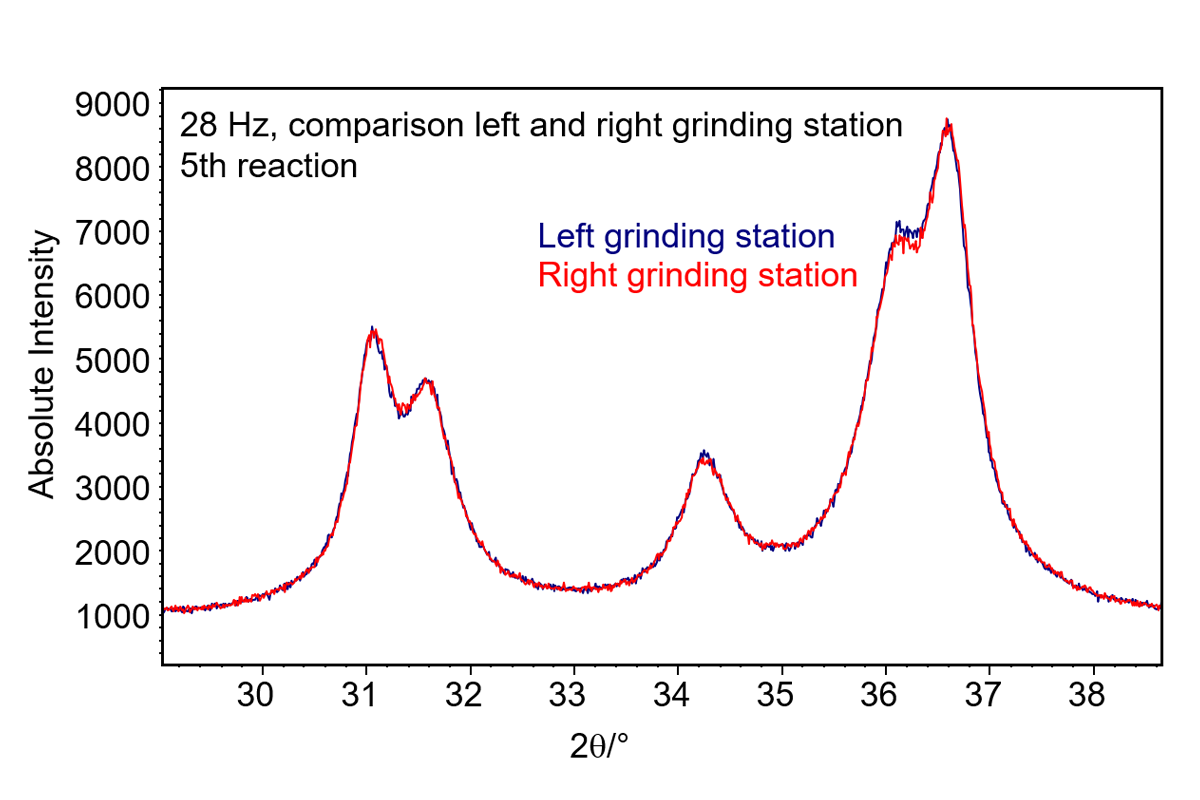
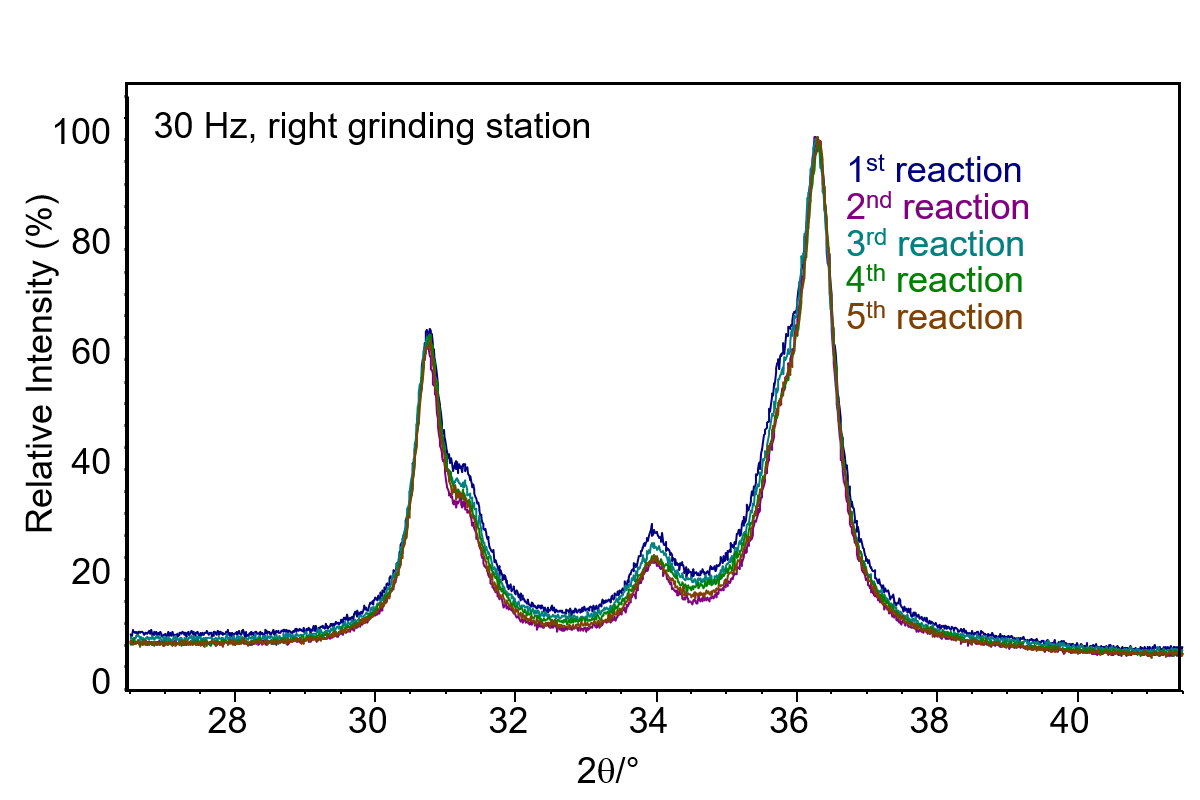
XRD patterns after the mechanochemical reaction γ-Al2O3 + ZnO -> ZnAl2O4:
Left: Grinding at 28 Hz, 29 Hz and 30 Hz, results after 5th reaction.
Middle: Comparison left and right grinding station at 28 Hz 5th reaction each.
Right: Reaction 1 to 5 at 30 Hz, right grinding station. Results presented by the group of Claudia Weidenthaler. [8]
The experiments were repeated using another MM 400 device to compare the results between the two mills. Again, the excellent reproducibility was verified for the 5 tests conducted at 30 Hz, for both, left and right grinding station.
Свяжитесь с нами для получения бесплатной консультации
Продукты и услуги RETSCH доступны через глобальную сеть дочерних компаний и дистрибьюторов. Наши сотрудники будут рады помочь Вам с любыми возникшими вопросами.

Gain more insights with our white papers and articles

From Screening to upscaling - Solutions for CO-Grinding
Different crystalline forms of a drug, known as polymorphs play a crucial role in the pharmaceutical industry, as they can significantly impact the physical and chemical properties of a drug, such as solubility, stability, and bioavailability, These polymorphs can exhibit varying characteristics, which can influence the drug's performance and effectiveness. Polymorph screening is an essential process in drug development, as it helps identify stable forms of a drug with desirable properties, ultimately improving drug formulation and performance.
Green Cement - How Ball Milling Activates Clay for A Sustainable Future
The construction industry is rapidly evolving to meet the demands of sustainability, and green cement is at the forefront of this transformation. Traditional cement production is one of the largest sources of CO₂ emissions, mainly due to the energyintensive process of heating limestone and burning fossil fuels. Green cement tackles this issue by incorporating Supplementary Cementitious Materials (SCMs), such as activated clays, fly ash, and slag, which replace part of the conventional clinker - the primary source of emissions in cement. Activated clays are especially promising: they are abundant, locally available, and, when properly processed, can significantly reduce the carbon footprint of cement production.

Mechanical Alloying with High-Energy Ball Mills
The traditional way to produce alloys such as stainless steel is to fuse the components at very high temperatures. If only small quantities are required, or if melting cannot fuse the alloys, mechanical alloying is an alternative. One approach to this application is to use ball mills like the High-Energy Ball Mill Emax.
Mechanochemistry: Preparation of Graphite for Adsorbing Hydrocarbons
Oil spills in the sea represent a serious threat to aquatic systems, affecting marine life, contaminating shores, and disrupting ecological balances. Therefore, it is essential to develop effective solutions to mitigate this problem. In this video, we will explore an innovative alternative for the preparation of expanded graphite, a material with a high capacity for adsorbing hydrocarbons in water.

Mechanochemistry: Working Toward a Sustainable Future
In the light of sustainability and Green Chemistry, mechanochemistry offers fast reactions in a solvent-free environment. Mass productivities often exceed the solvent-based reaction equivalents, and the work-up procedures are generally easier. Beside thermal, electrochemical and photochemical energy supply, a less known form of mechanochemistry is based on energy input by impact and shearing forces; typically ball mills are used to conduct those reactions. This article gives examples how mixer mills and planetary ball mills are successfully used to conduct mechanochemical processes.
Real-time tracking of mechanochemical reaction dynamics
Mechanochemical synthesis is an innovative method used to produce new materials and phases by initiating chemical reactions through the application of mechanical energy, resulting in unique properties and structures. One example of this is the mechanochemically induced self-propagating reaction (MSR). In an MSR, the reaction - once initiated - releases heat and rapidly spreads through the material in an exothermic process. Monitoring temperature and pressure during such reactions provides valuable insights into their initiation and progression.
Reproducibility of Mechanochemical Reactions in the Mixer Mill MM 400
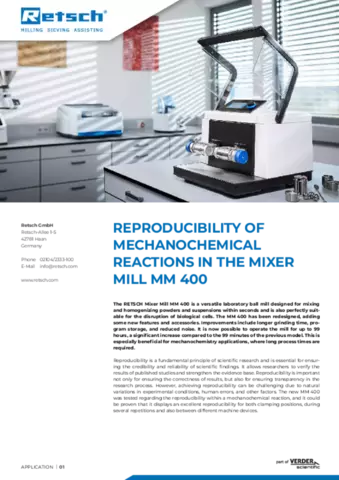
Reliable results can only be obtained with reliable instruments. The Mixer Mill MM 400 is known for its ease of use and fast grinding in terms of sample preparation prior to quality analysis. Conducting various mechanochemical reactions we have proven that the MM 400 provides reproducible results for both grinding stations with minimal standard deviations between different processes. This is due to the consistent frequency which is stable and reproducible in processes over time. It could also be demonstrated that results obtained with different MM 400 devices are also reproducible.
References
[1] Wilm Pickhardt, Claudio Beakovic, Maike Mayer, Maximilian Wohlgemuth, Fabien Joel Leon Kraus, Martin Etter, Sven Grätz, and Lars Borchardt: The direct Mechanocatalytic Suzuki-Miyaura Reaction of small organic molecule. Angew. Chem. Int. Ed. 2022, e202205003.
[2] Ma, X., Yuan, W., Bell, S. E., & James, S. L. (2014). Better understanding of mechanochemical reactions: Raman monitoring reveals surprisingly simple ‘pseudofluid’ model for a ball milling reaction. Chemical Communications, 50(13), 1585-1587.
[3] Reaction scheme and performance of the experiments: Dr. Sven Grätz, Ruhr-University Bochum, Faculty of Chemistry and Biochemistry, AG Prof. Borchardt.
[4] Reaction scheme and performance of the experiments: Prof. Andrea Porcheddu, University of Cagliari, Chemical and Geological Science Department (Italy).
[5] Reaction scheme and performance of the experiments: Prof. Stuart James, Queens University Belfast, School of Chemistry and Chemical Engineering (UK).
[6] Jan-Hendrik Schöbel, Frederik Winkelmann, Joel Bicker, and Michael Felderhoff; Mechanochemical kilogram-scale synthesis of rac:ibuprofen:nicotinamide co-crystals using a drum mill; RSC Mechanochemistry, 2025, DOI: 10.1039/D4MR00096J
[7] Maximilian Wohlgemuth, Sarah Schmidt, Maike Mayer, Wilm Pickhardt, Sven Graetz, and Lars Borchardt, Solid-State Oxidation of Alcohols in Gold-Coated Milling Vessels via Direct Mechanocatalysis. Angew. Chem. Int. Ed. 2024, e202405342.
[8] Reaction scheme and performance of the experiments: Prof. Dr. Claudia Weidenthaler, Research Group Leader Heterogeneous Catalysis Powder Diffraction and Surface Spectroscopy, Max-Planck Institut für Kohlenforschung, Mülheim an der Ruhr.
{LL::products.mm400.cocrystal.dominik.da.reference}}
[10] Kapish Gobindlal, Zoran Zujovic, Jacob Jaine, Cameron C. Weber, Jonathan Sperry; Solvent-free ambient temperature and pressure destruction-of PFSAs under MCD presents a detailed study on the mechanochemical destruction (MCD) of perfluorosulfonic acids (PFSAs), Environmental Science & Technology 2023, DOI: 10.1021/acs.est.2c06673.
[11] Recording of the video and performance of the experiments: Imelda Octa Tampubolon (PhD. student) and Matej Baláž (leading researcher, both Institute of Geotechnics, Slovak Academy of Sciences) and Tomislav Stolar (post-doctoral researcher, Division 6.3 – Structure Analysis, Federal Institute for Materials Research and Testing (BAM), Berlin). The experiment was performed at BAM.
[12] Maximilian Wohlgemuth, Sarah Schmidt, Lars Beißel and Lars Borchardt; Ligand-free reductive amination via Pd-coated mechanocatalysis. The Royal Society of Chemistry 2025, DOI: 10.1039/d5cc04707b.
[13] Adrian H. Hergesell, Claire L. Seitzinger, Justin Burg, Renate J. Baarslag and Ina Vollmer; Influence of ball milling parameters on the mechano-chemical conversion of polyolefins. The Royal Society of Chemistry 2025, DOI: 10.1039/d4mr00098f
[14] Tatsiana Nikonovich, Yao Yu, Mikko Korkiakoski, Chengji Yang, Iris Seitz, Daniel Langerreiter, Mauri A. Kostiainen, Eduardo Anaya-Plaza, and Sandra Kaabel; Solid-State Synthesis of Cationic Cellulose Fibers from Low-Processed Cotton for Efficient Virus Capture; ACS Sustainable Chemistry & Engineering 2025 13 (42), DOI: 10.1021/acssuschemeng.5c07884[15] With permission of Dr Erli Lu, Associate Professor in Mechanochemistry & Sustainable Synthesis School of Chemistry, University of Birmingham