



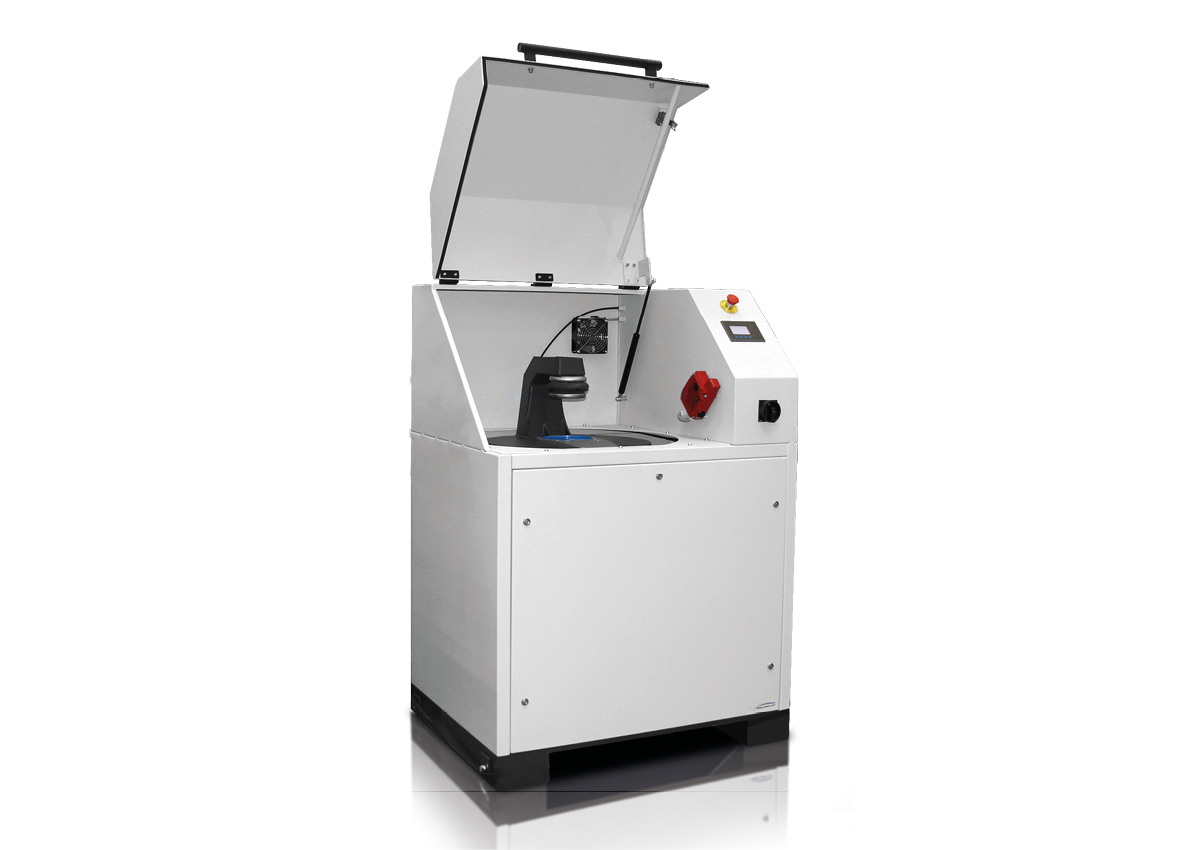

在制备用于光谱分析的样品时,振动圆盘磨的速度是任何磨床都无法比拟的。RETSCH 的振动圆盘磨 RS 300 适用于对中等硬度、脆性和纤维状材料进行快速、无损耗和可重复的研磨。
由于采用了坚固的万向传动轴,可使研磨罐做三维运动,RS 300 可承受的研磨组重量高达 30 公斤,连同粉碎样品最大可承重55kg。
研磨套件有多种尺寸和材料可供选择,可轻松满足应用要求。
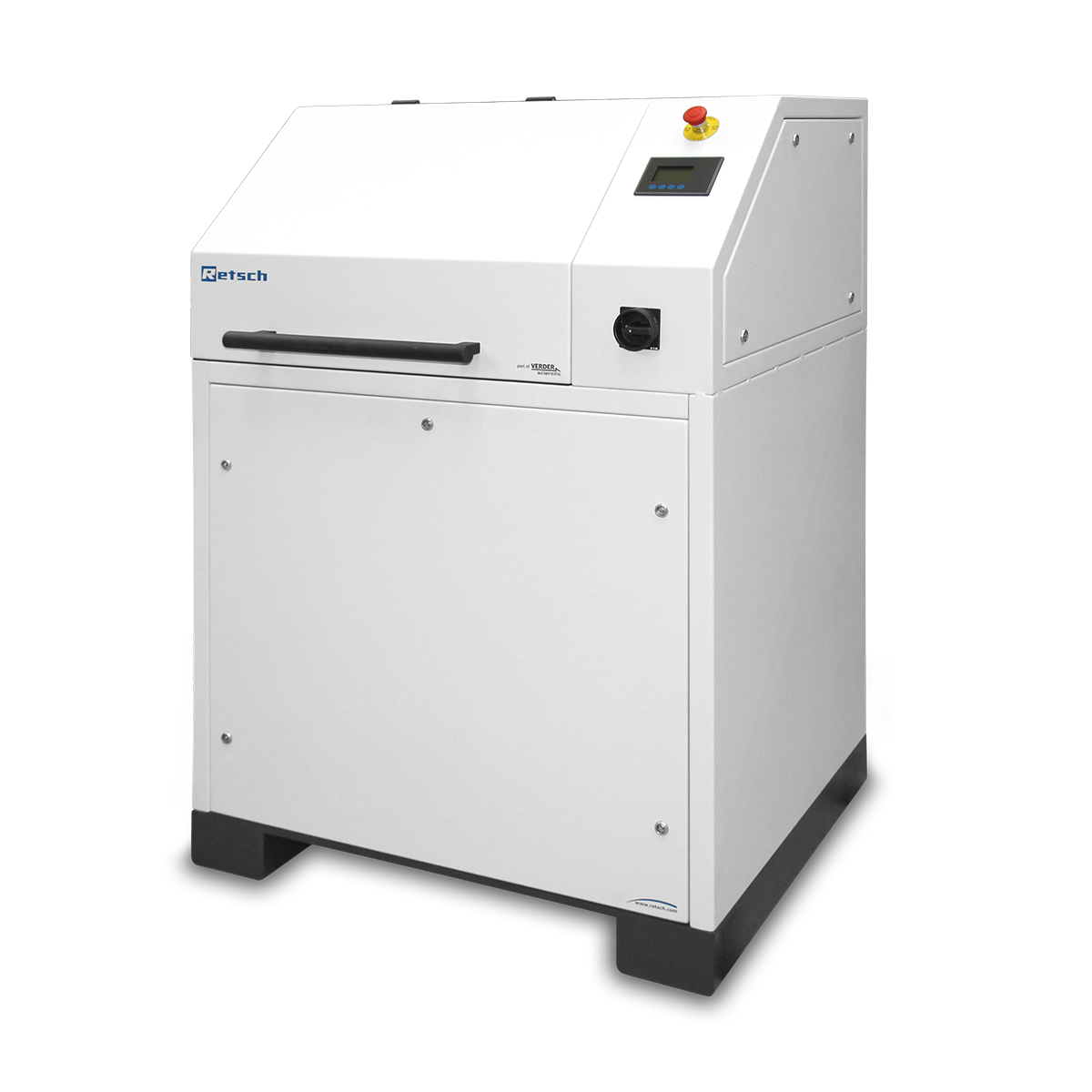
可重复 & 安全
- 由于采用了万向传动轴
(磨削装置的 3D 振动),因此可获得可重复的结果和均匀的样品 - 自动回转功能(左/右旋转)
- 可编程间隔功能(自动启动/停止)增长研磨功能
- 研磨罐容量从 100 毫升到 2,000 毫升不等
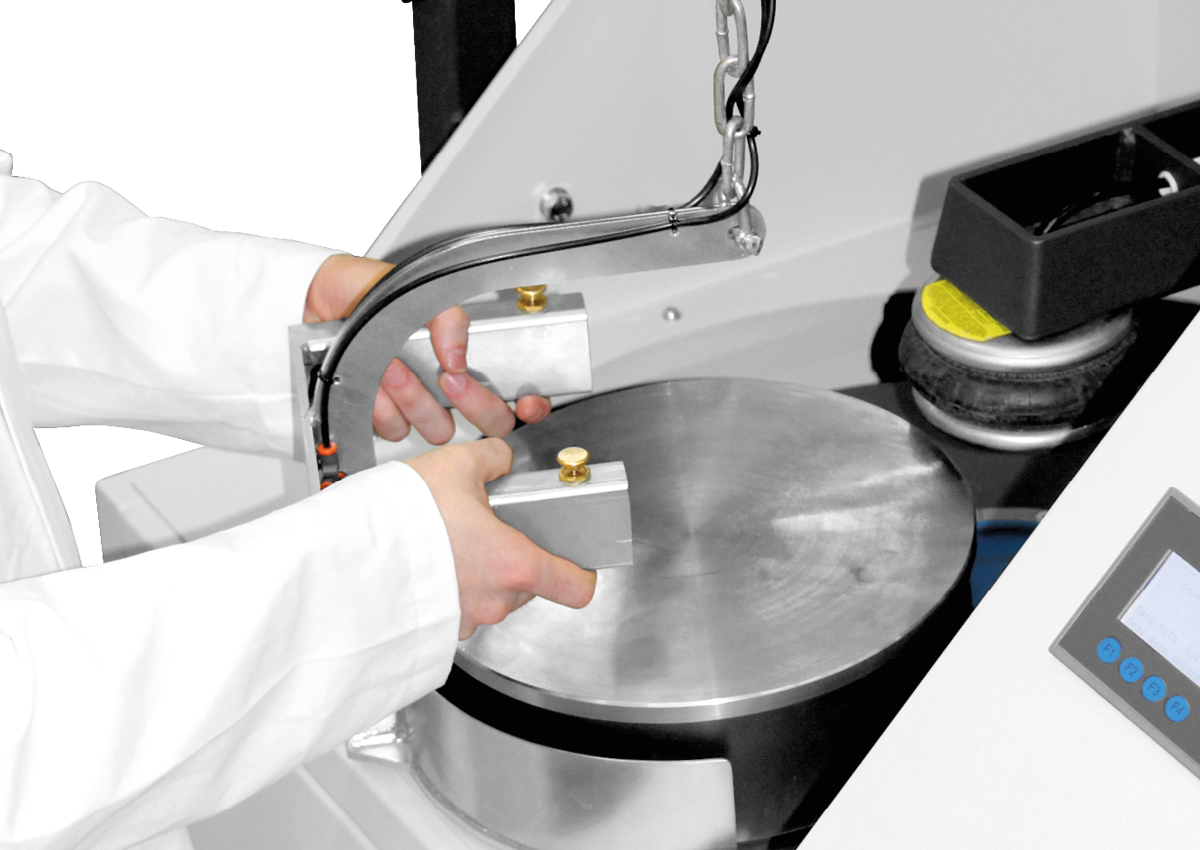
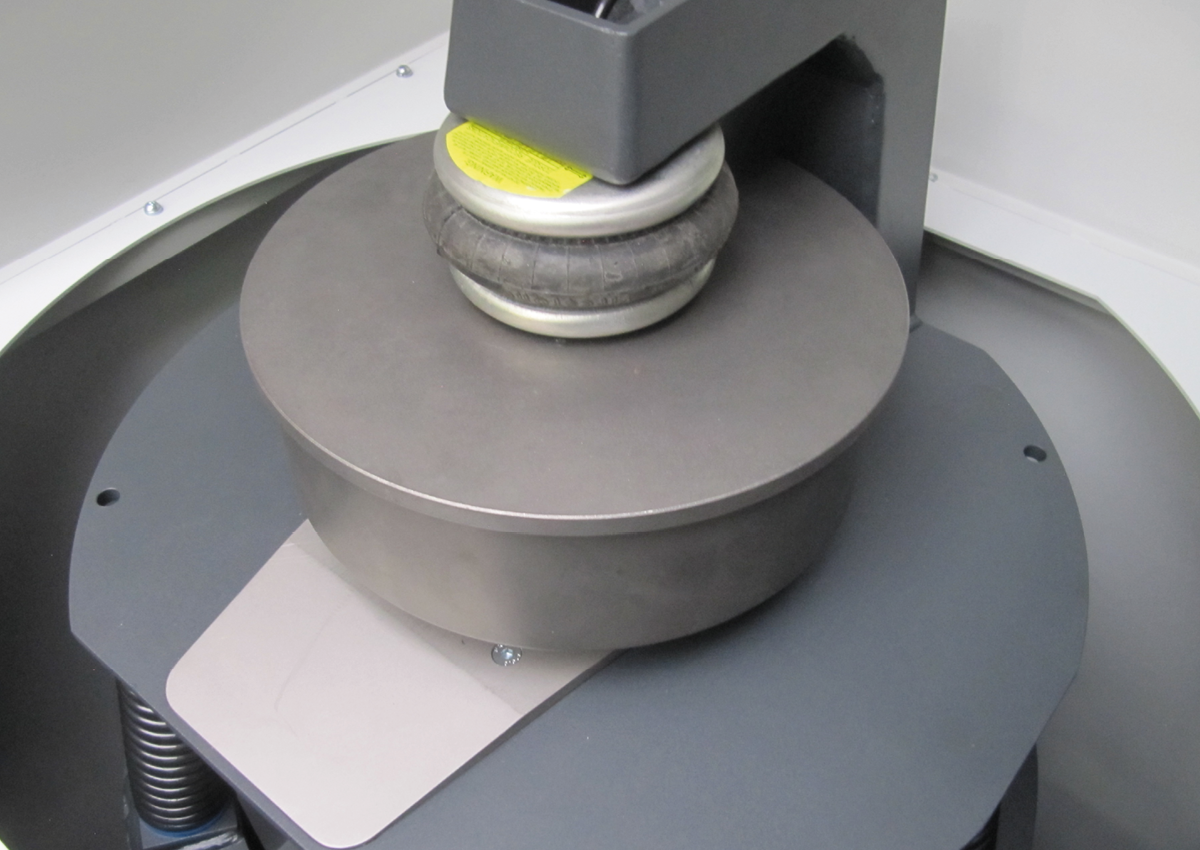
- 气动磨罐夹具(带气压),操作方便安全
- 附加安全功能:只有当气动压力正确时,磨机才会启动
- 可选配自动升降器,以符合人体工程学的方式提升重型磨具
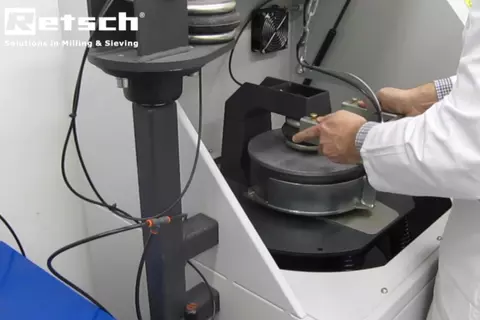
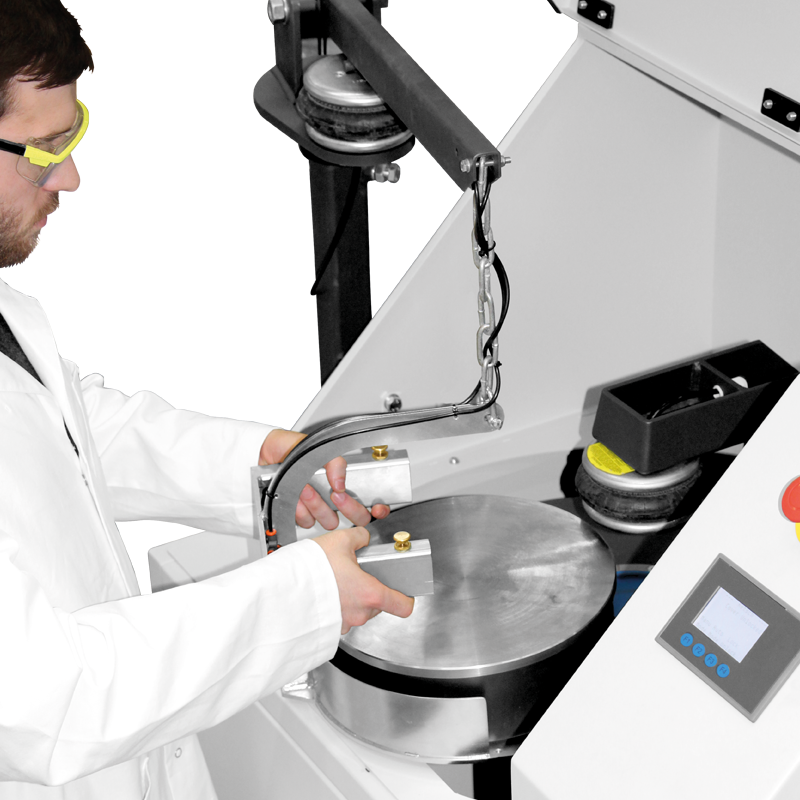
盘式振动研磨仪RS 300 符合人体工程学的操作方式,操作简便
RS 300 及其磨削组件的操作和搬运非常方便且符合人体工程学。自动升降器是一种可选配件,可大大方便大容量磨床的升降,符合人体工程学原理。整机多模块化设计,每个模块出现故障都可实时提示,方便判断故障原因。
气动夹紧装置可方便安全地固定研磨套件。只有当空压机气压正确时,研磨机才会启动,而当研磨过程停止时,装置会自动解除。可编程间隔功能有助于提高研磨效果,而自动反转功能则可减少研磨罐内的结块效应。
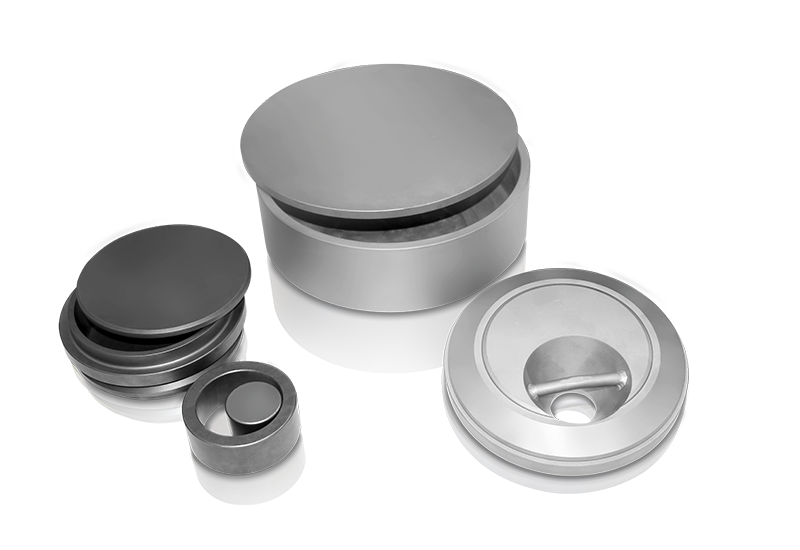
盘式振动研磨仪RS 300 高质量磨床
由于研磨组件的尺寸和材料多种多样,RS 300 适用于广泛的应用领域。研磨机的批量从 35 毫升到 2000 毫升不等,进料尺寸最大可达 20 毫米。
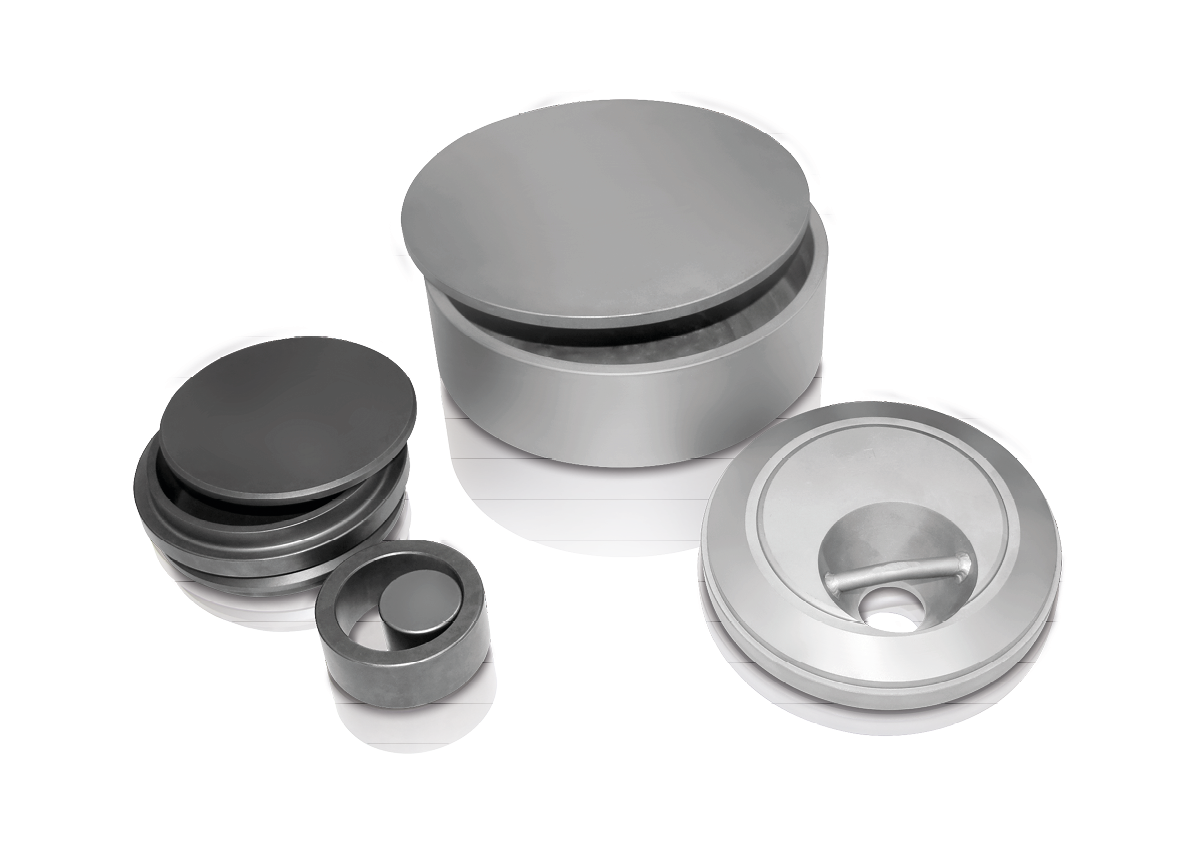
振动盘磨机的研磨组件包括一个带盖研磨罐和一个研磨盘。400 ml 研磨组件还包括一个研磨环,300 ml 研磨组件则有两个额外的研磨环:
- 安全、防滑的固定装置,盖子和底座上有防扭锁功能,配套拉紧固定栓底座
- 研磨罐体和盖子边缘之间的间隙便于打开
- 采用 O 型圈实现最佳密封(湿研磨的理想选择)
- 清晰的研磨组件标识(产品编号、材料和体积)
- 800 毫升、1000 毫升和 2000 毫升研磨套装的圆盘有一个开口,可完美混合大量样品 多种间隔环,适合不同体积罐体
盘式振动研磨仪RS 300 典型样品材料
RETSCH的振动盘磨仪可以快速粉碎材料,如水泥、熟料、陶瓷、煤、焦炭、混凝土、刚玉、玻璃、金属氧化物、矿物、矿石、硅酸盐、矿渣、土壤等等。
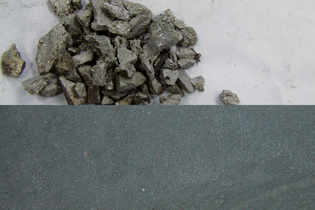
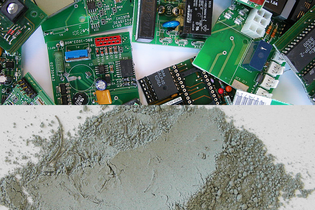
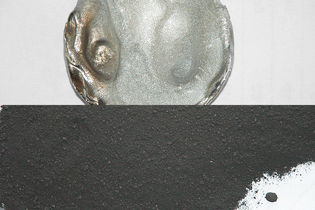
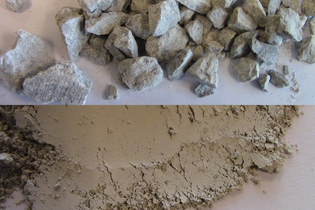
为了找到最好的解决方案,请访问我们的应用数据库。
盘式振动研磨仪RS 300 作用原理
振动盘磨仪结合了压力、撞击力、摩擦力和冲击力。研磨仪配有气动快速夹紧装置振动盘,保证了三维振动的安全可靠。
样品被研磨环的离心力产生的摩擦、撞击、粉碎力破碎,机器的动力由2.2千瓦的3相电动机产生。
盘式振动研磨仪RS 300 技术参数
| Applications: | size reduction, mixing, triturating |
|---|---|
| Field of application: | construction materials, environment / recycling, geology / metallurgy, glass / ceramics |
| Feed material: | medium-hard, hard, brittle, fibrous |
| Size reduction principle: | pressure, friction |
| Max. feed size: | < 20 mm |
| Final fineness: | < 20 µm |
| Batch size / feed quantity: | 35 - 2,000 ml |
| Speed at 50 Hz (60 Hz): | 912 min-1 |
| Material of grinding tools: | chrome steel (hardened steel), tungsten carbide, steel 1.1740 (for heavy-metal free grinding) |
| Grinding jar sizes: | 50 ml / 100 ml / 300 ml / 400 ml / 800 ml / 1,000 ml / 2,000 ml |
| Setting of grinding time: | digital, 00:00 to 59:59 |
| Drive: | 3-phase motor |
| Drive power: | 2.2 kW |
| Electrical supply data: | different voltages |
| Power connection: | 3-phase |
| Protection code: | IP 40 |
| W x H x D closed: | 1150 x 1400 x 810 mm |
| Net weight: | ~ 415 kg (without grinding set) |
| Standards: | CE |
盘式振动研磨仪RS 300 资料下载
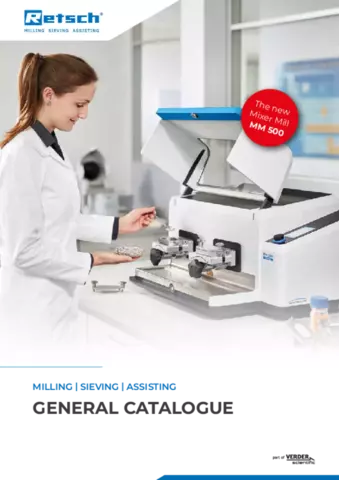
General Catalogue
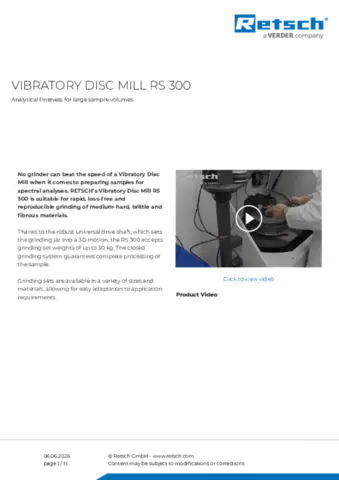
Product data sheet RS 300
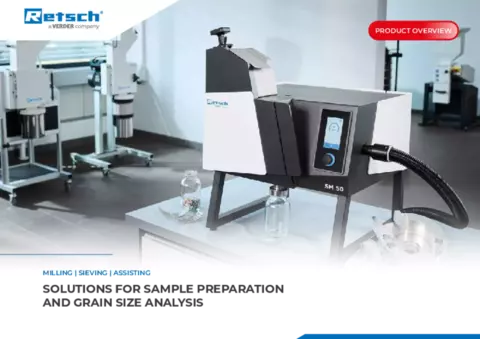
Comparison RS200 & RS300
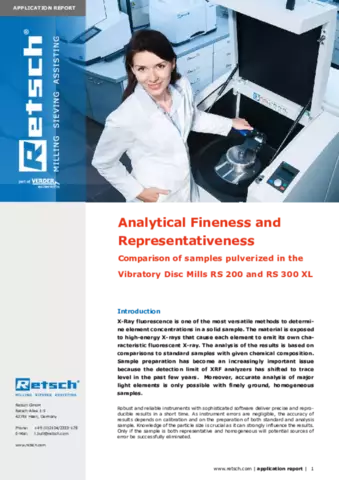
X-Ray fluorescence is one of the most versatile methods to determine element concentrations in a solid sample. The material is exposed to high-energy X-rays that cause each element to emit its own characteristic fluorescent X-ray. The analysis of the results is based on comparisons to standard samples with given chemical composition. Sample preparation has become an increasingly important issue because the detection limit of XRF analyzers has shifted to trace level in the past few years. Moreover, accurate analysis of major light elements is only possible with finely ground, homogeneous samples.