



Organic waste
Bioorganic waste samples are very common like garden waste or food residues and versatile. They can be ground in Rotor Mills much easier when they are dried to prevent blockages and sticky effects. Dried sewage sludge is commonly ground to about 2 mm particles in a Cutting Mill, here the basic model SM 100 a good choice. About 100 g sample require – depending on the sample properties like feed size and moisture residues – between 2-4 min. Garden residues containing twigs and other tough plant waste need to be pre-cut in the SM 200 or in the strong SM 300 models with higher speed and using the robust 6-disc rotor. Fine-grinding can be done in Planetary Ball Mills like the PM 200 or the Ultra Centrifugal Mill ZM 300, depending on the required sample throughput and final fineness. Food residues like orange peel also need drying before grinding in a Rotor Mill. Larger sample quantities such as 1 kg can be processed in the Rotor Beater Mill SR 300. As those samples tend to get warm during grinding, slow feeding is required, and the use of the distance rotor is beneficial. About 25 min are required for the 1 kg sample, when a 1.5 mm bottom sieve is used.



Innovative designs from recycled food waste
Food waste is a significant global issue that impacts the environment, economy, and society. Every year, millions of tons of food are wasted, contributing to greenhouse gas emissions, resource depletion, and economic losses. Food waste occurs at various stages of the supply chain, including production, processing, distribution, and consumption. The environmental impact of food waste is substantial, as it leads to the unnecessary use of water, energy, and land resources, while also generating methane emissions from decomposing organic matter in landfills.
Paper
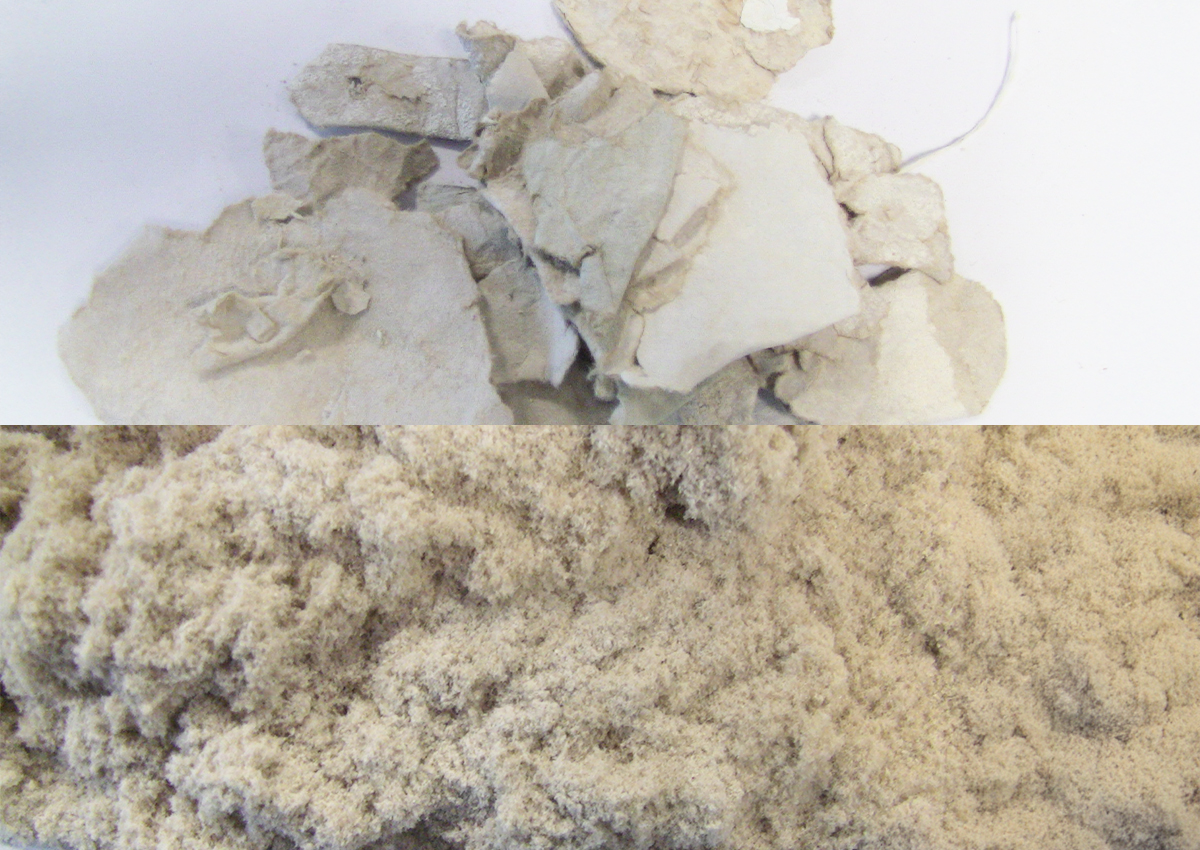
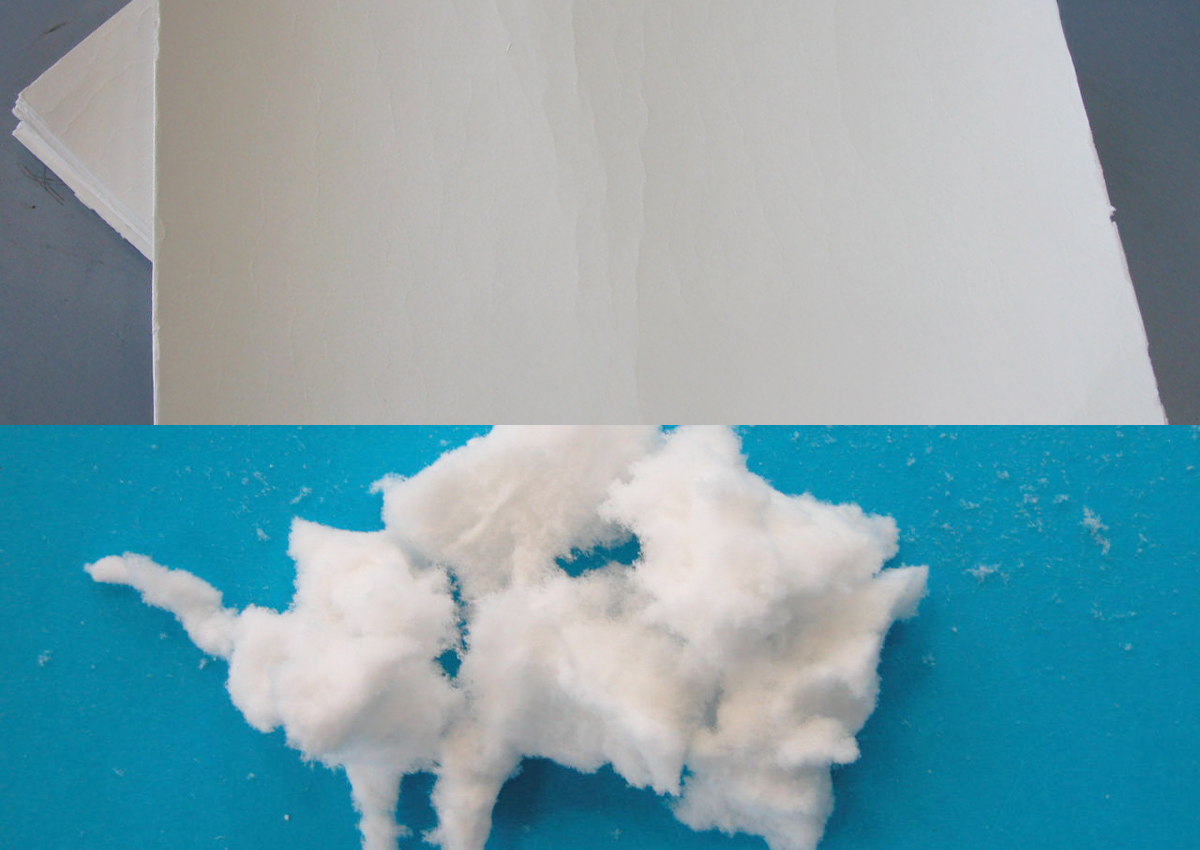
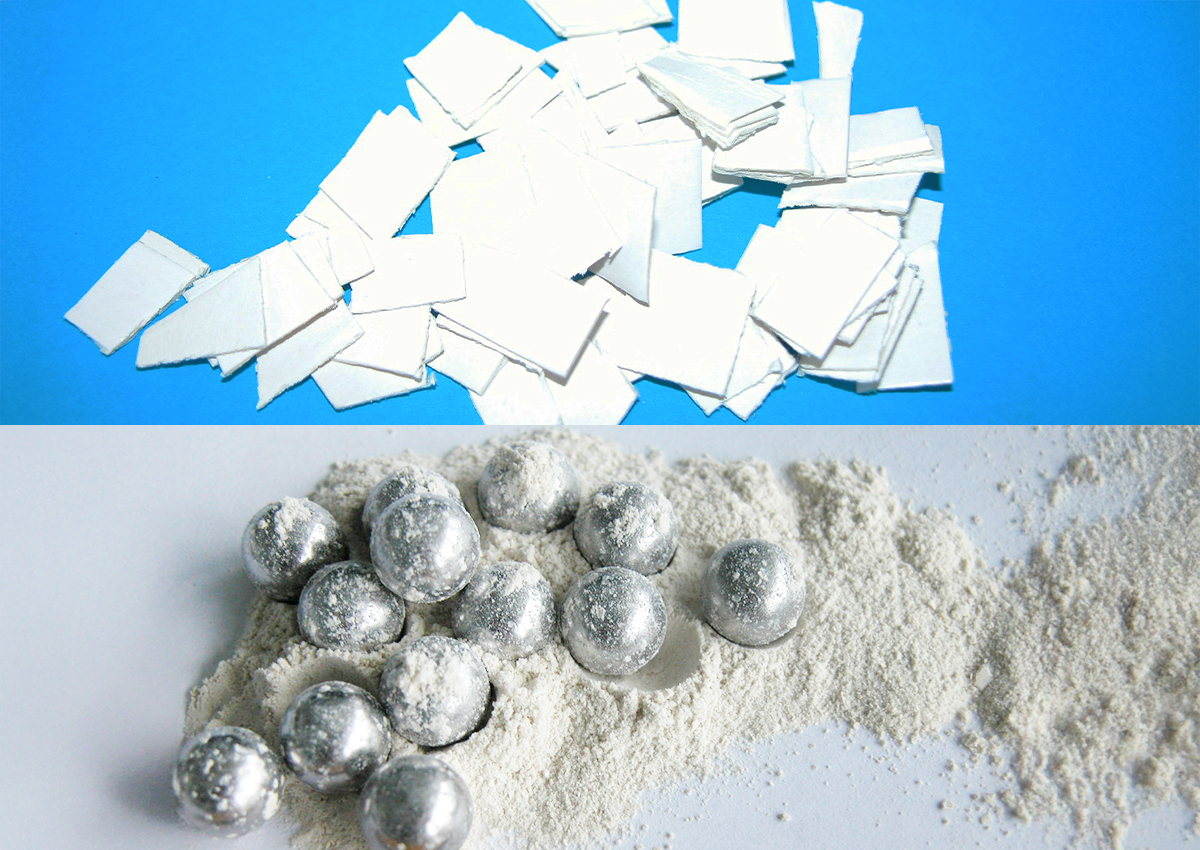
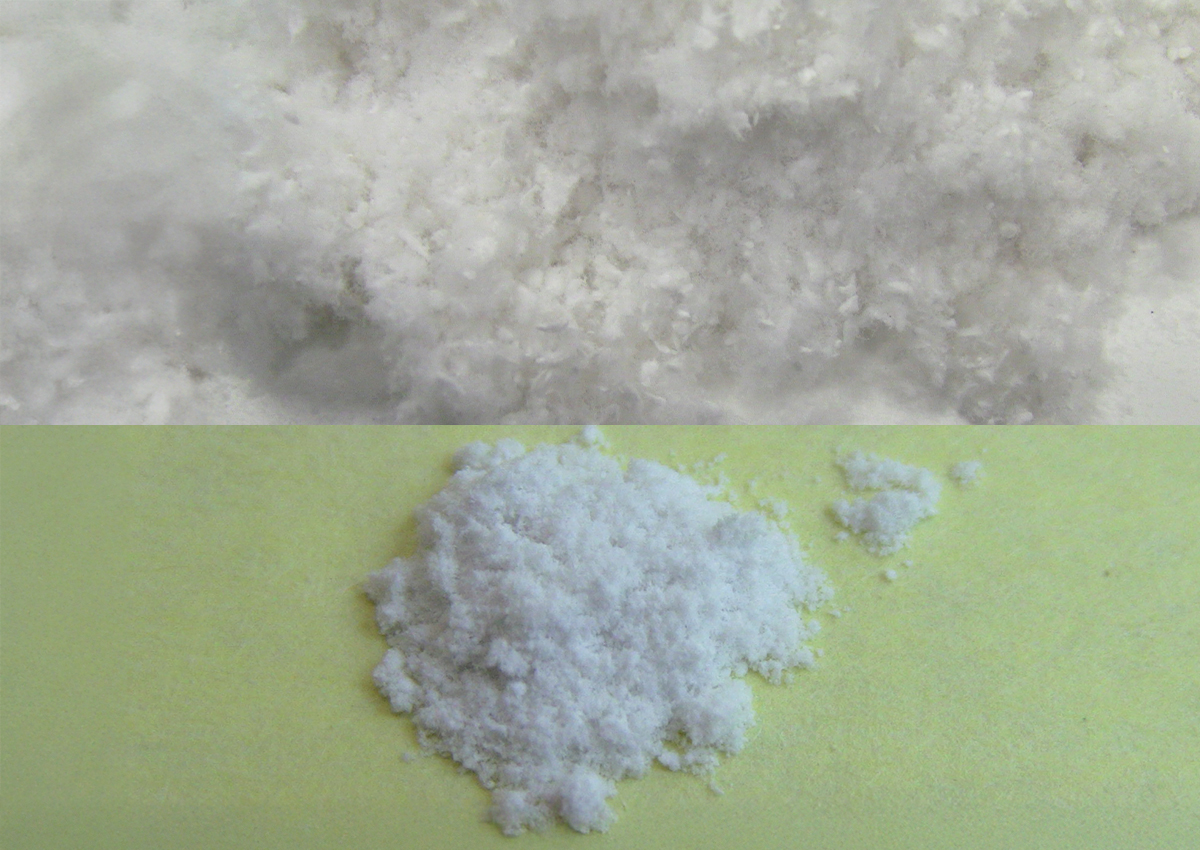
Large paper samples should be pre-cut in a Cutting Mill like the SM 100. Here, a 2 or 4 mm bottom sieve and the parallel section rotor are most suitable. The use of the cyclone helps to discharge the light sample material from the grinding chamber. Grinding times are very short for this kind of material. Fine grinding can subsequently be performed with the Ultra Centrifugal Mill ZM 300 or in a Ball Mill. The ZM 300 can be equipped with a 0.5 mm ring sieve and a cyclone to produce particles of ca. 0.5 mm size. If smaller particles < 100 µm are required, the use of a Ball Mill is beneficial. For small sample amounts up to 40 ml, the Mixer Mill MM 400 is used. In a ball milling process the sample is pulverized usually within 3-5 min. For larger sample quantities, the Planetary Ball Mill PM 400 for example can pulverize 4 x 220 ml sample in one batch. For this sample amount, approximately 1 h is expected at moderate speed in order not to burn the sample.
Textiles and leather
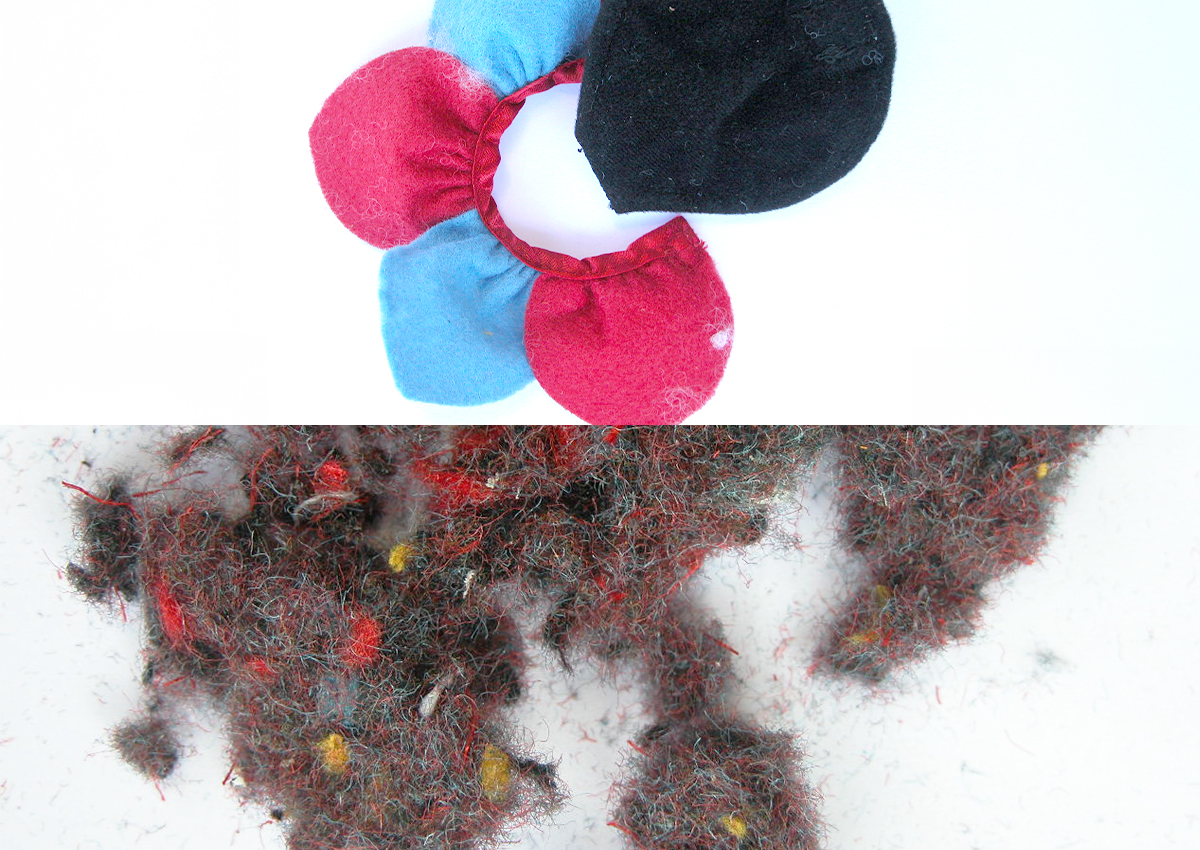
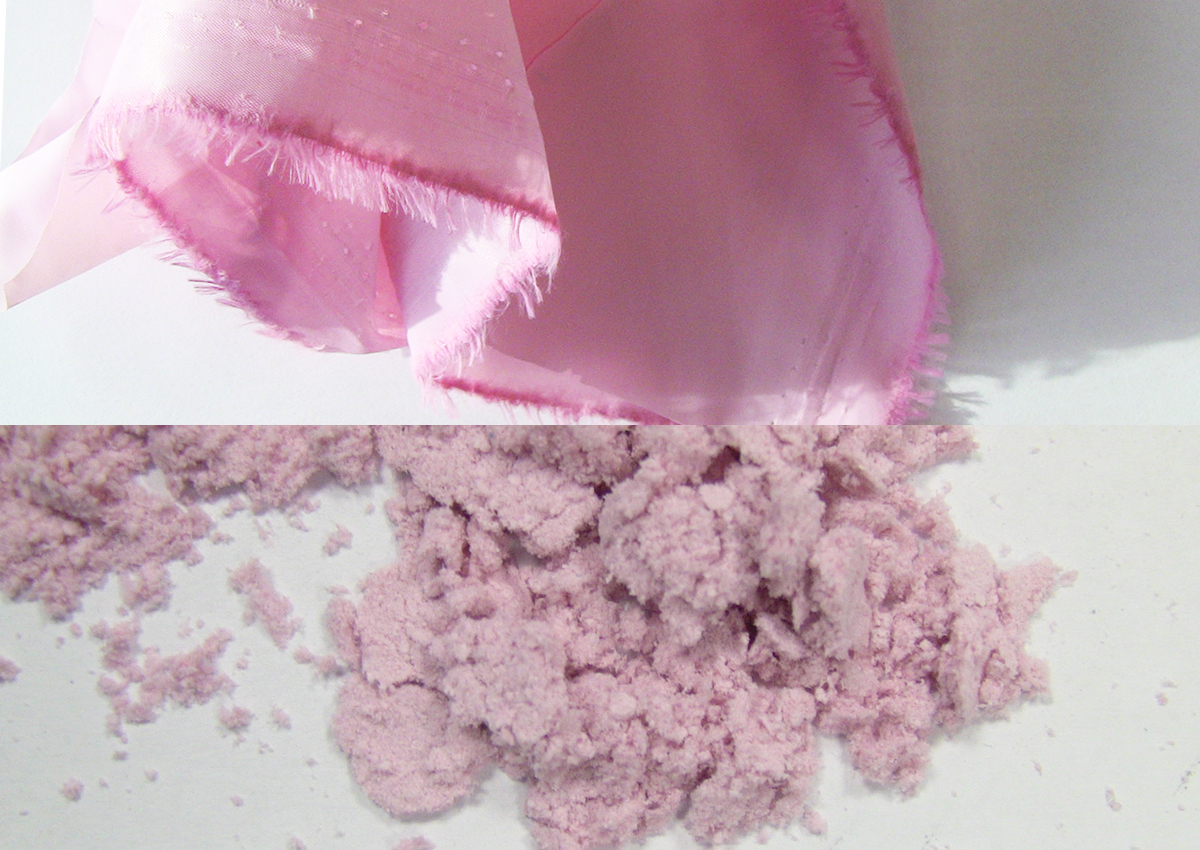
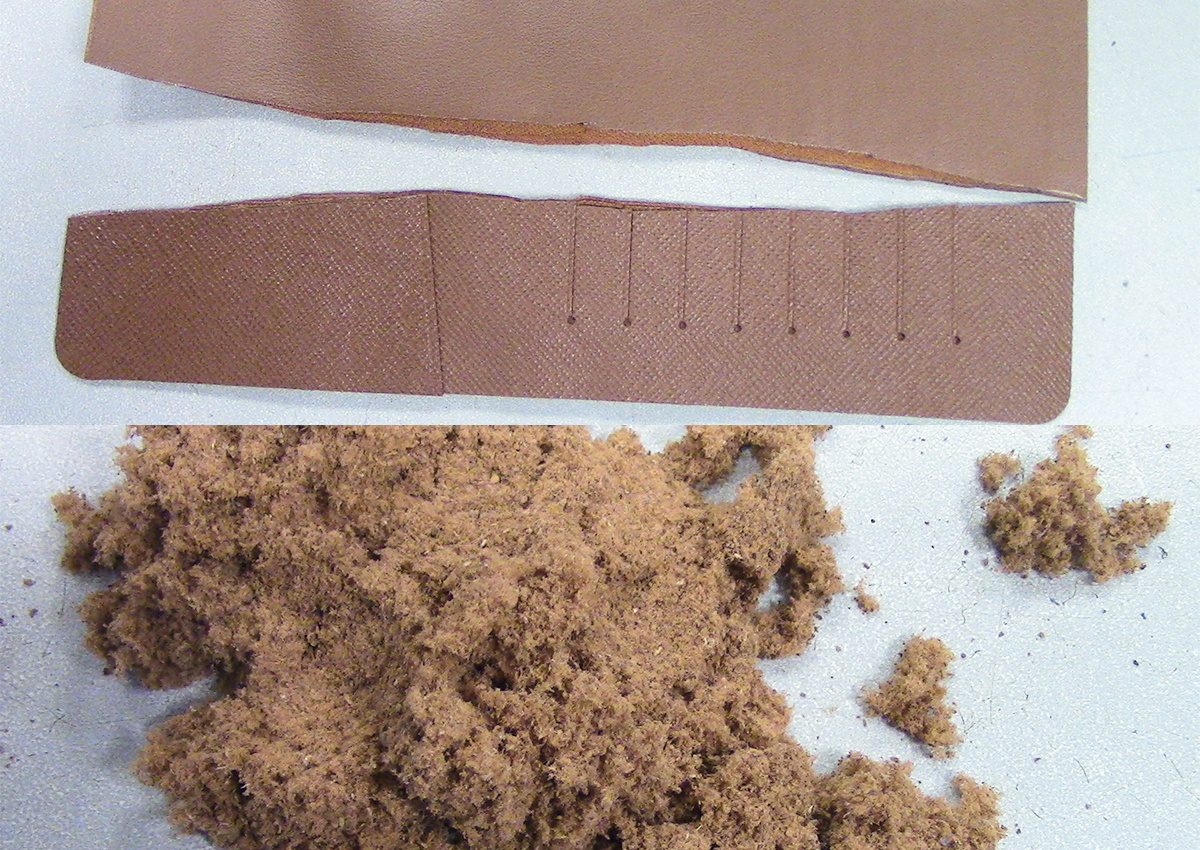
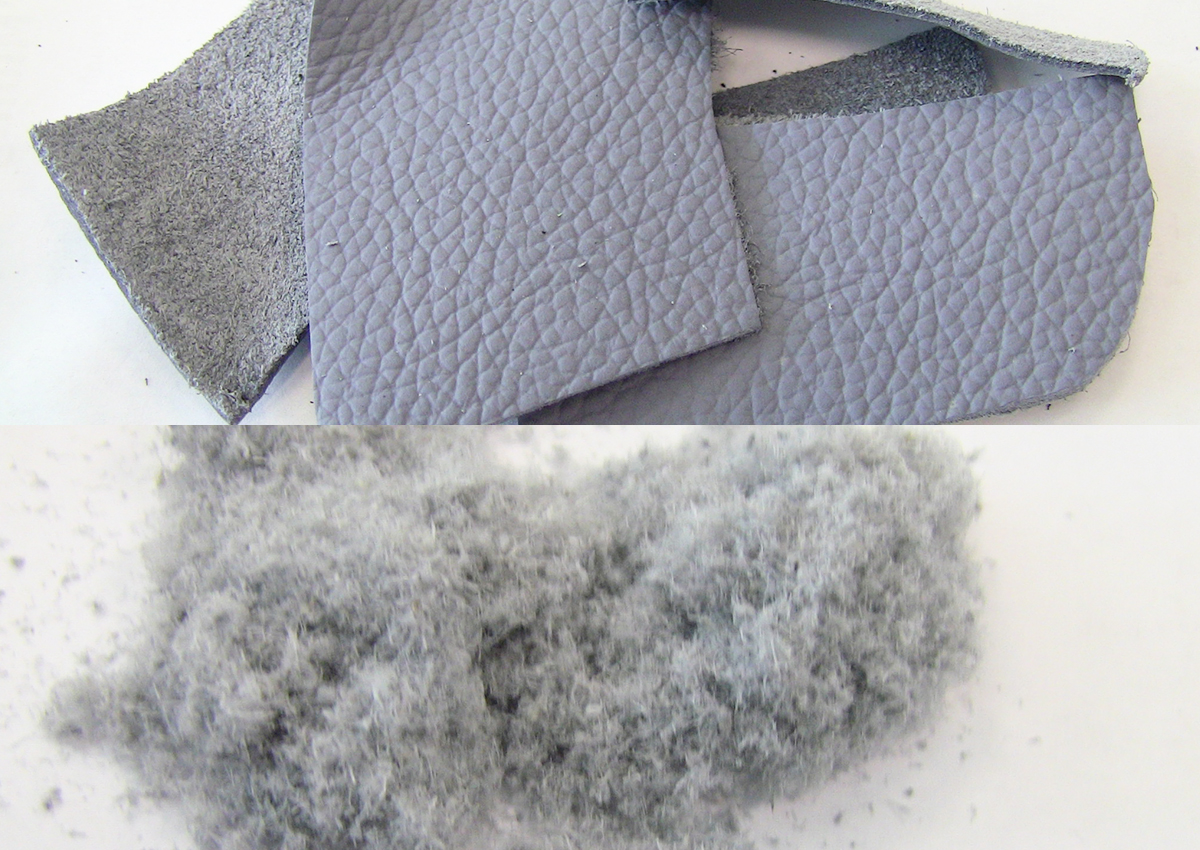
The Cutting Mill SM 300 is the most suitable mill to pre-cut soft sample materials. The parallel-section rotor and bottom sieves of 2 - 6 mm aperture are typical for this application. A cyclone helps to discharge the fluffy sample from the grinding chamber. Depending on the material, e.g. for more tough leather articles, cryogenic grinding may be required in the pre-cutting step. Here, immersing the sample for some minutes in liquid nitrogen embrittles the sample. In the case of cryogenic grinding, it is better to use the more robust 6-disc rotor.
The fine grinding step is either done in a Ball Mill or in the Ultra-Centrifugal Mill ZM 300. Embrittling the pre-cut fibrous samples may help to get fine ground particles. As the fibers do not keep the low temperatures and tend to warm up quickly, mixing with dry ice is superior to embrittling with liquid nitrogen. For this, the fibers are mixed 1:2 with dry ice snow and the complete mixture is fed into the ZM, usually equipped with a 0.5 mm ring sieve and operated at 18000 rpm. For cryogenic grinding, a cyclone should be used. Another way to get very fine particles of textiles is to use either the CryoMill or the MM 500 control. The MM 500 control offers larger grinding jars than the CryoMill and two grinding stations. Both mills embrittle the sample by using liquid nitrogen for cooling. In both cases first a pre-cooling time of 10-20 min is required to freeze the samples. The sample is then ground in ca. 10 cycles of about 1 min at 30 Hz with 1 min cooling breaks.
Transforming waste into high-quality paper
Favini is a renowned Italian company specializing in the production of high-quality paper and innovative solutions for various industries. With a history dating back to 1736, Favini has established itself as a leader in the paper industry, known for its commitment to sustainability, innovation, and excellence. The company offers a wide range of products, including specialty papers for packaging, printing, and creative applications, as well as eco-friendly solutions that cater to the evolving needs of its customers.

Transforming waste into valuable raw material
Textile and leather waste are significant contributors to environmental pollution. The textile industry generates vast amounts of waste, including off-cuts, defective materials, and end-of-life garments. Similarly, the leather industry produces waste in the form of trimmings, shavings, and defective hides. These waste materials often end up in landfills or are incinerated, leading to environmental degradation and the release of harmful pollutants. Recycling and repurposing textile and leather waste not only help in reducing the environmental impact but also provide valuable raw materials for various industries.