



有机废物
生物有机废物样品非常常见,如花园废物或食物残渣,用途广泛。在转子研磨机中对其进行研磨时,如果经过干燥处理,可以更容易地防止堵塞和粘性影响。干燥的污水污泥通常在切割式粉碎机中被粉碎成约 2 毫米的颗粒,基本型号 SM 100 就是很好的选择。大约 100 克的样品需要 2-4 分钟的时间,这取决于样品的特性,如进料大小和水分残留。含有树枝和其他坚硬植物废料的园林残留物需要在 SM 200 或转速更高的 SM 300 型中使用坚固的 6 盘转子进行预切割。细磨可在行星式球磨机 PM 200 或超离心磨 ZM 300 中进行,具体取决于所需的样品处理量和最终细度。橘子皮等食物残渣在转子研磨机中研磨前也需要进行干燥处理。转子打浆机 SR 300 可以处理 1 公斤等较大的样品量。由于这些样品在研磨过程中容易变热,因此需要慢速进料,使用远距离转子也很有好处。使用 1.5 毫米底筛时,处理 1 千克样品大约需要 25 分钟。


Innovative designs from recycled food waste
Food waste is a significant global issue that impacts the environment, economy, and society. Every year, millions of tons of food are wasted, contributing to greenhouse gas emissions, resource depletion, and economic losses. Food waste occurs at various stages of the supply chain, including production, processing, distribution, and consumption. The environmental impact of food waste is substantial, as it leads to the unnecessary use of water, energy, and land resources, while also generating methane emissions from decomposing organic matter in landfills.
纸张
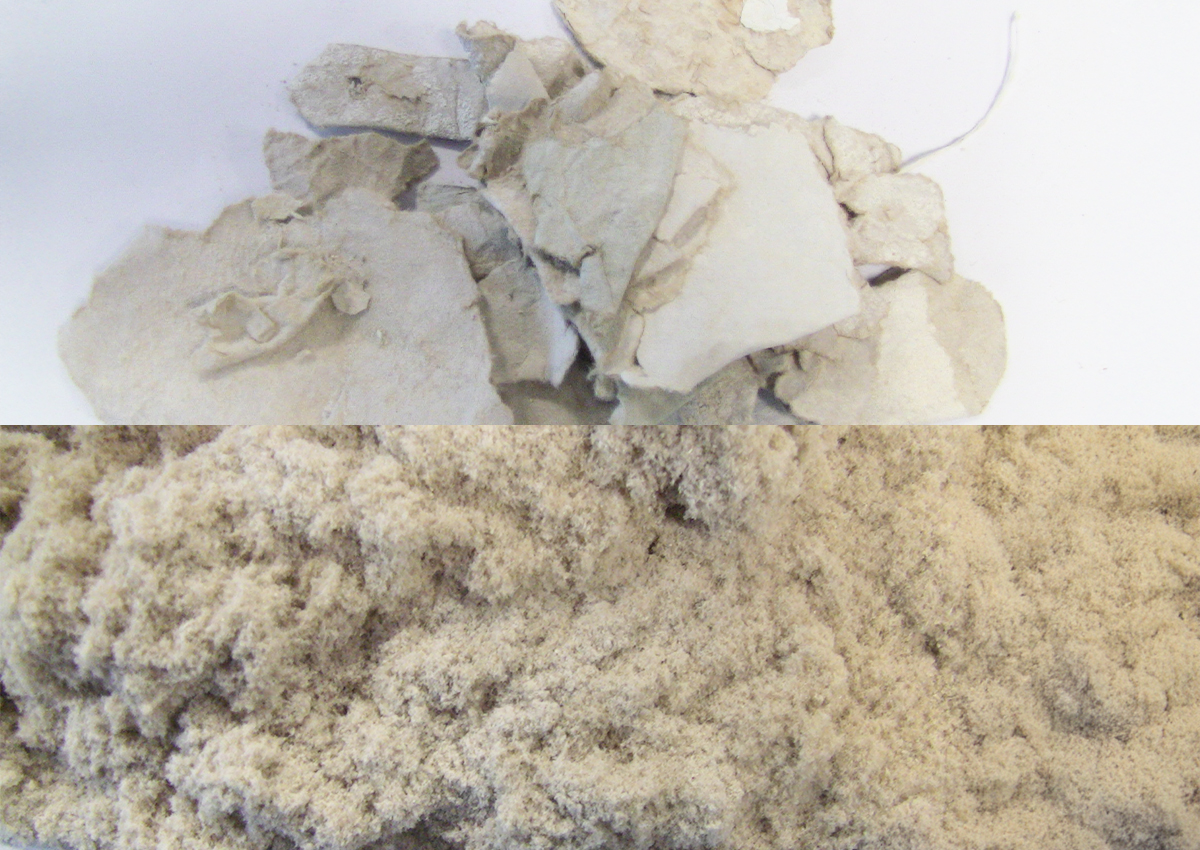
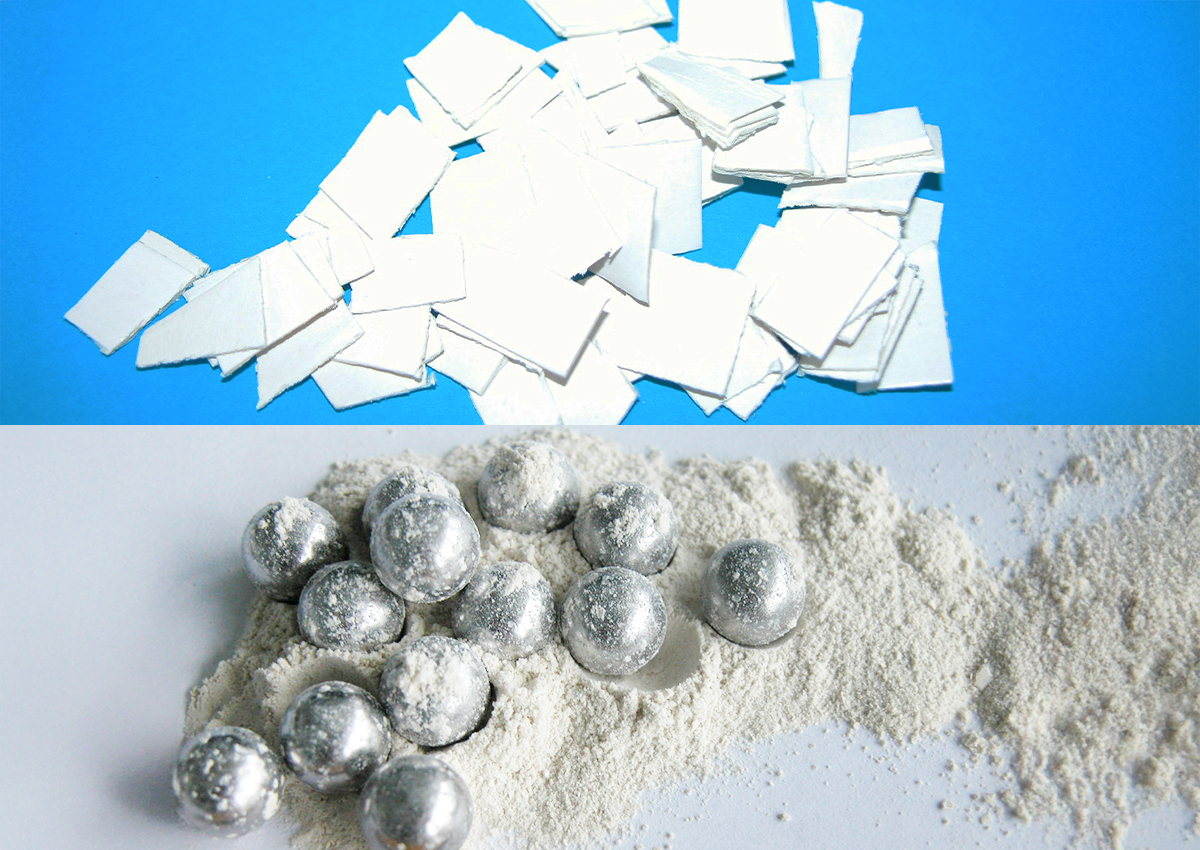
大型纸样应在 SM 100 型切割机中进行预切割。在这种情况下,2 毫米或 4 毫米的底筛和平行截面转子最为合适。使用旋风分离器有助于将轻质样品材料排出研磨室。这种材料的研磨时间非常短。随后可使用 ZM 300 型超离心研磨机或球磨机进行精细研磨。ZM 300 可以配备一个 0.5 毫米的环形筛和一个旋风分离器,以产生约 0.5 毫米大小的颗粒。如果需要小于 100 µm 的颗粒,则最好使用球磨机。对于不超过 40 毫升的少量样品,可使用混合磨 MM 400。在球磨过程中,样品通常在 3-5 分钟内被粉碎。对于较大的样品量,例如行星式球磨机 PM 400 可以一次粉碎 4 x 220 毫升的样品。对于这样的样品量,为了不烧焦样品,预计需要在中等速度下工作约 1 小时。
纺织品和皮革
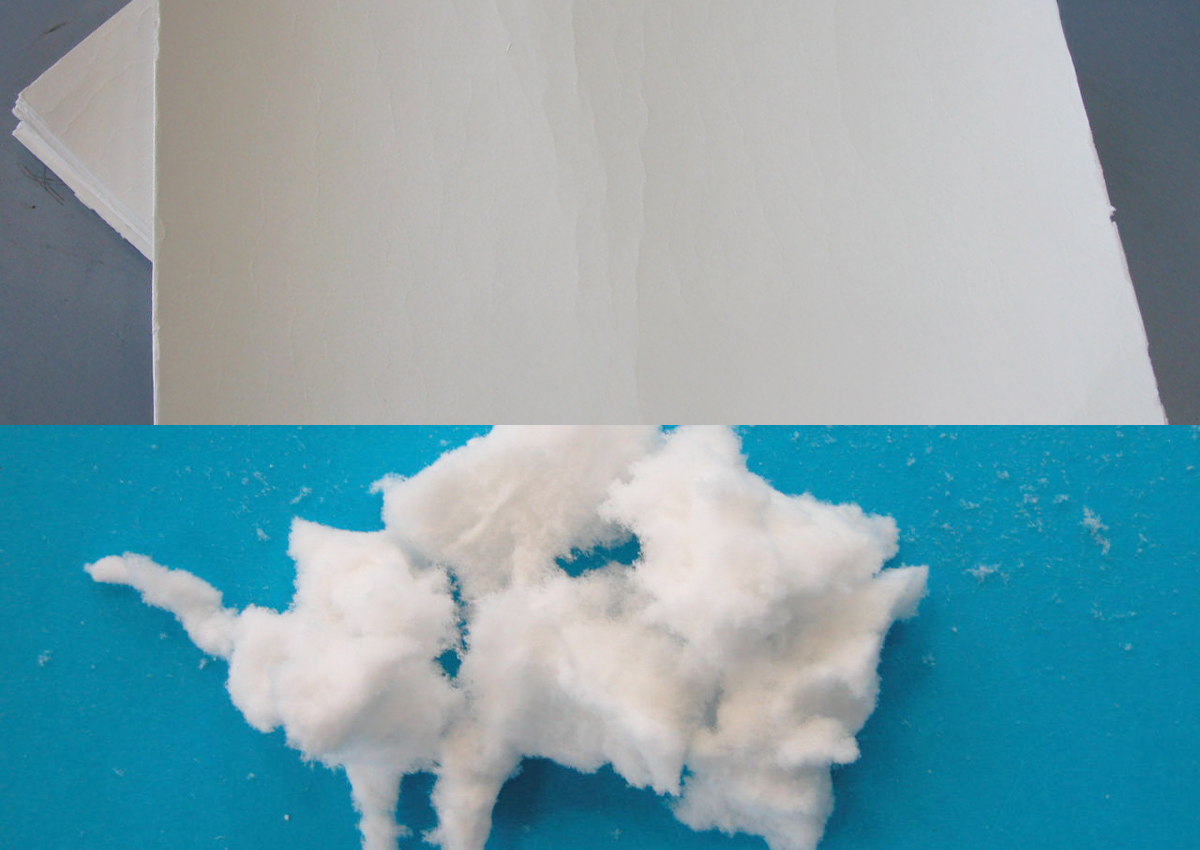
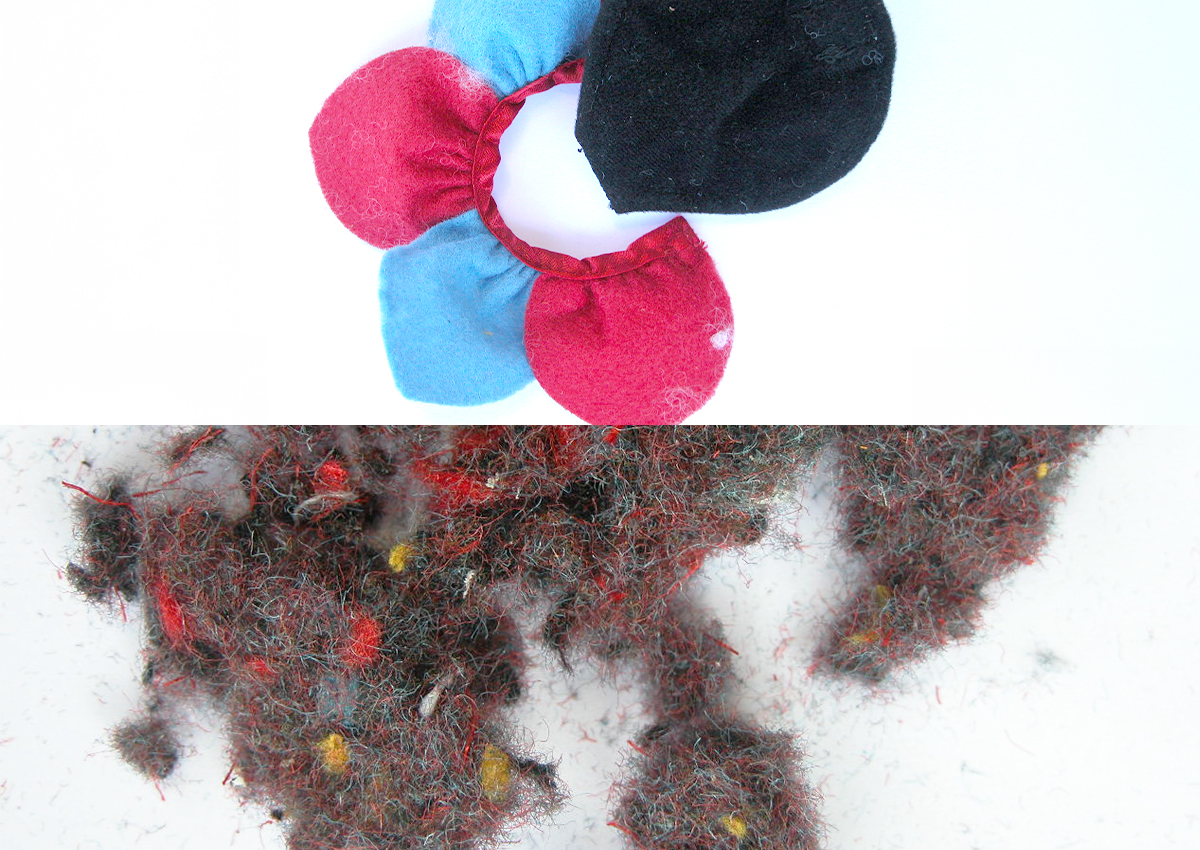
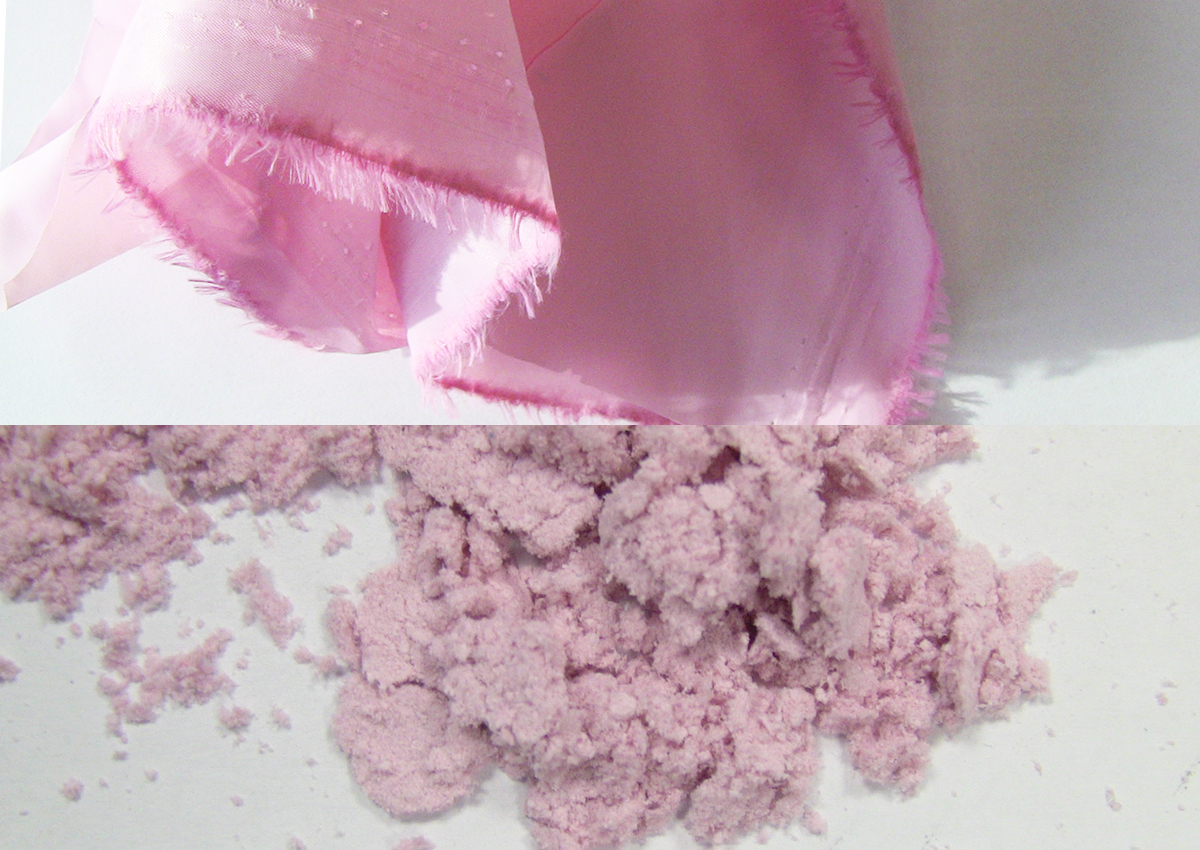
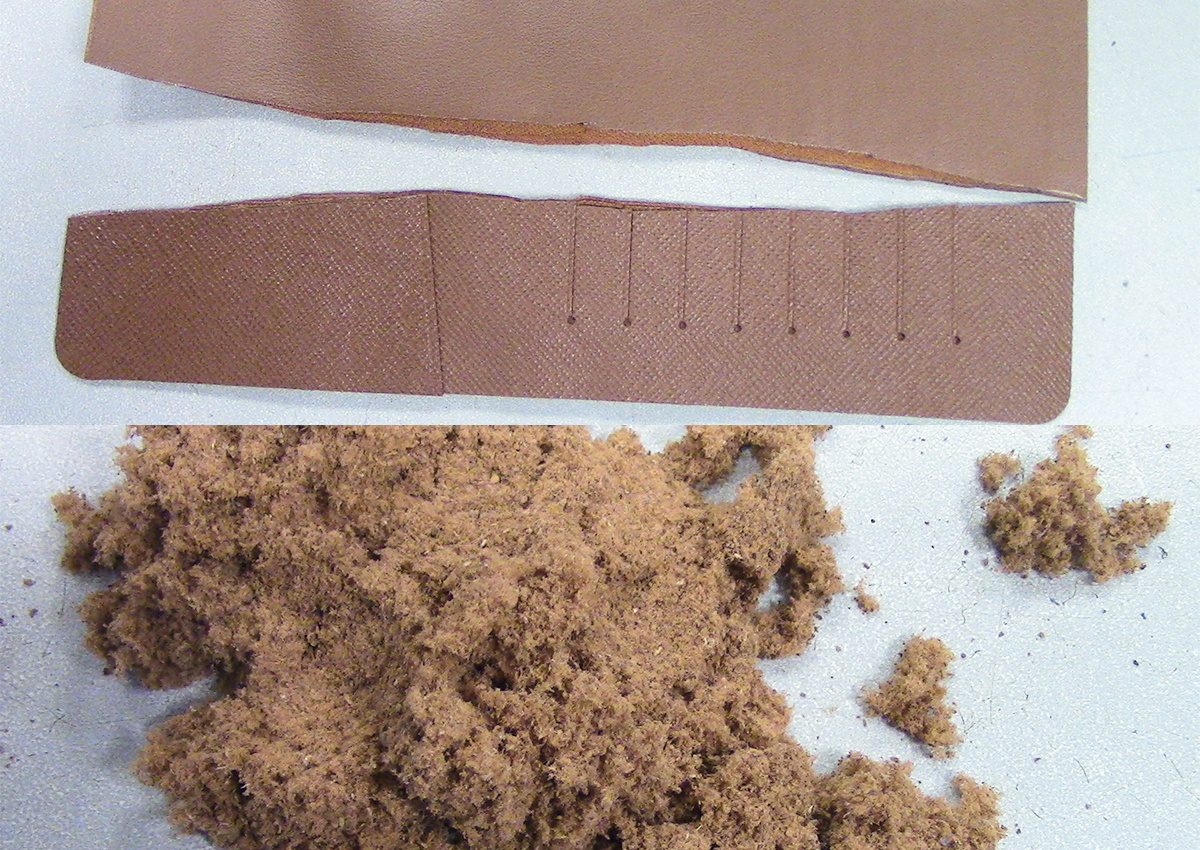
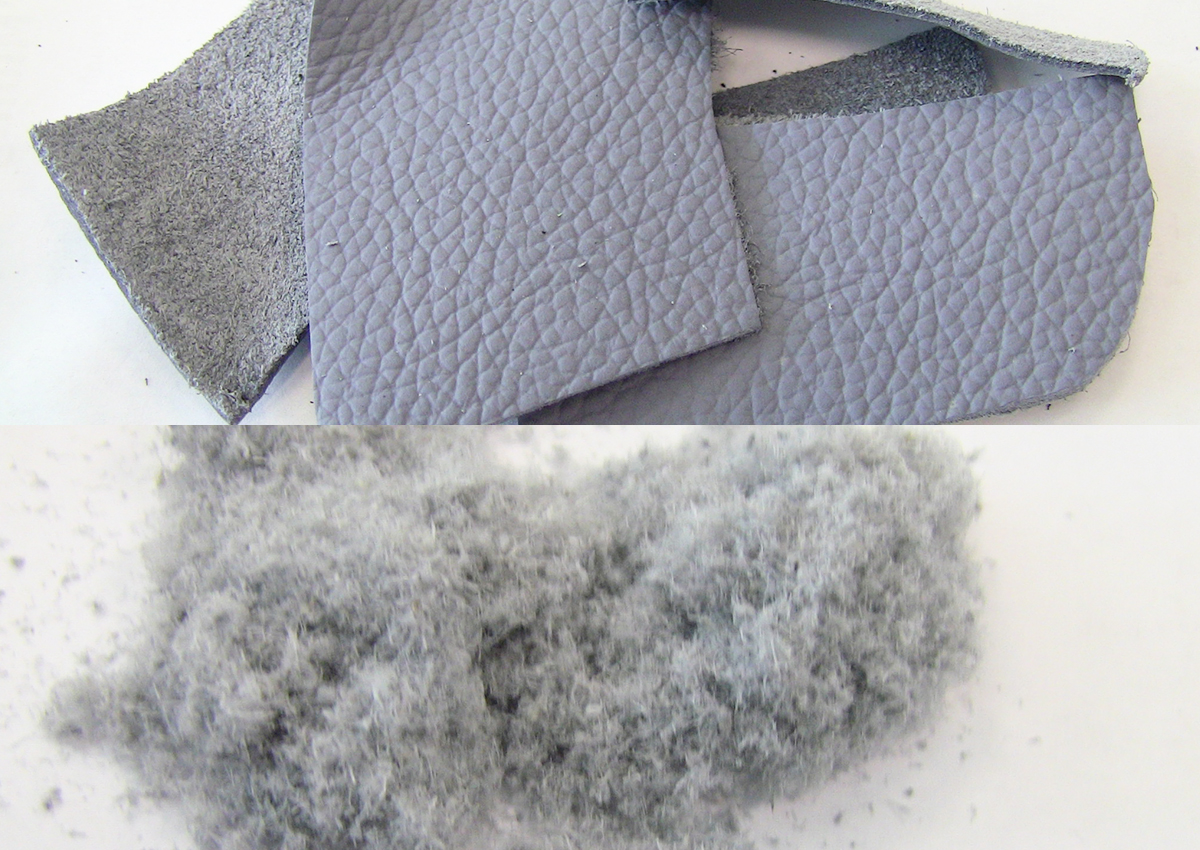
SM 300 型切割粉碎机是预切割软质样品材料的最合适粉碎机。平行截面转子和孔径为 2 - 6 毫米的底部筛网是这种应用的典型选择。旋风分离器有助于将蓬松的样品排出研磨室。根据材料的不同,例如对于较为坚硬的皮革制品,可能需要在预切割步骤中进行低温研磨。在此,将样品浸入液氮中几分钟,使样品脆化。在低温研磨的情况下,最好使用更坚固的 6 盘转子。
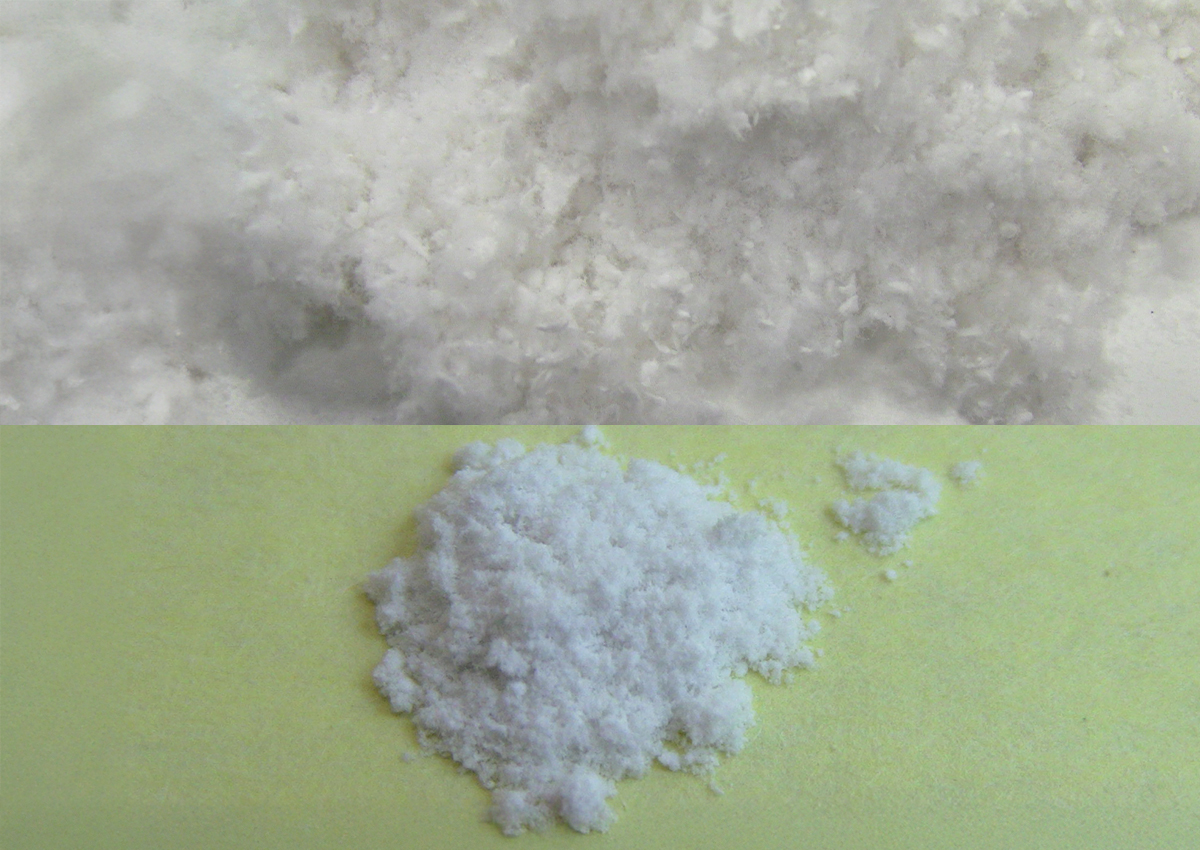
细磨步骤可在球磨机或 ZM 300 超离心磨机中完成。对预先切割好的纤维样品进行脆化处理可能有助于获得精细的研磨颗粒。由于纤维不能保持低温,往往会迅速升温,因此用干冰混合比用液氮脆化更好。为此,将纤维与干冰雪按 1:2 的比例混合,然后将全部混合物送入 ZM,ZM 通常配有 0.5 毫米的环形筛,转速为 18000 转/分钟。低温研磨时,应使用旋风分离器。另一种获得极细纺织品颗粒的方法是使用 CryoMill 或 MM 500 控制器。MM 500 控制器提供比 CryoMill 更大的研磨罐和两个研磨站。这两种研磨机都使用液氮对样品进行脆化冷却。在这两种情况下,首先都需要 10-20 分钟的预冷时间来冻结样品。然后以 30 Hz 的频率对样品进行约 1 分钟的 10 个循环研磨,中间有 1 分钟的冷却间歇。
Transforming waste into high-quality paper
Favini is a renowned Italian company specializing in the production of high-quality paper and innovative solutions for various industries. With a history dating back to 1736, Favini has established itself as a leader in the paper industry, known for its commitment to sustainability, innovation, and excellence. The company offers a wide range of products, including specialty papers for packaging, printing, and creative applications, as well as eco-friendly solutions that cater to the evolving needs of its customers.
Transforming waste into valuable raw material
Textile and leather waste are significant contributors to environmental pollution. The textile industry generates vast amounts of waste, including off-cuts, defective materials, and end-of-life garments. Similarly, the leather industry produces waste in the form of trimmings, shavings, and defective hides. These waste materials often end up in landfills or are incinerated, leading to environmental degradation and the release of harmful pollutants. Recycling and repurposing textile and leather waste not only help in reducing the environmental impact but also provide valuable raw materials for various industries.