


Geri dönüşüm ve atık yönetimi
The recycling initiative targets a broad spectrum of waste materials, including everyday items like batteries, construction debris, and bio-waste. To re-use the different materials, they often need to be crushed and homogenized, so that they can be formed to new shapes and new articles. For example, with crushed glass particles from used bottles, new bottles or art articles can be made. Another idea is to shred textiles and leather and use the powders for new furniture coverings. Despite using the crushed materials, quality control is required to assure for example that no hazardous substances are re-used like asbestos in construction debris or toxic components in electronic waste.

Recycling and waste management
We show you how glass, building rubble, batteries, textiles and other materials are processed for reuse through precise pre-crushing and size reduction, homogenization and quality control – professionally and efficiently.
Advantages of recycling
Recycling diverse materials involves recovering and reusing them instead of of landfilling or incinerating the waste. These materials are processed and repurposed for new projects, conserving natural resources like forests for wood production and animal skins for leather production by reducing the demand for new raw materials. This process also minimizes environmental impact by lowering greenhouse gas emissions from decomposition and incinerating, as well as reducing the energy consumption associated with producing new materials. Additionally, recycling can lower overall costs for processes. For example, recycling aluminum can save up to 90% of the energy required compared to extracting aluminium from raw materials. Fewer mines are needed to obtain raw materials, resulting in less environmental pollution.
By reusing electronic waste and ensuring quality control, fewer hazardous substances pollute the environment. Recycling also saves water, as recycling processes require less water than using raw materials. For instance, each ton of recycled paper can save thousands of liters of water, thousands of kilowatt-hours of electricity, and over a dozen trees. Recycling organic waste, such as sewage sludge, food, yard trimmings, and agricultural residues, transforms them into valuable resources like compost and biogas. This process is crucial in waste management strategies by diverting organic waste from landfills, where it decomposes anaerobically and produces methane - a potent greenhouse gas. Technological advances now allow for the extraction of valuable minerals that were previously not economically feasible to recover, including trace amounts of metals like gold, silver, copper, and rare earth elements.t

Retsch equipment is used broadly in the sector of recycling:
- Quality control and processing. The quality control process and re-using process both begin with the pre-crushing and size reduction to prepare the materials for analysis or further use. At this stage, RETSCH provides an extensive selection of machines essential for these tasks, for a better overview, the section QC/processing is splitted in different areas by recycling material. Sieving and fractionizing as well as pellet pressing belongs to this chapter.
- In R&D, mechanochemical methods offer new pathways for the recycling of waste materials such as plastics, plant matter, or food residues, with Retsch ball mills playing a key role in these emerging processes.
- Retsch also offers equipment for waste management e.g. secondary fuels or soil remediation
Advantages of recycling
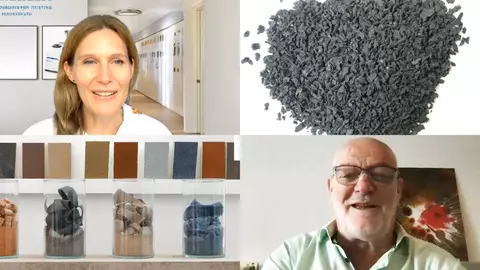
In this interview, the CEO of Cooloo shares how the company transforms waste into valuable resources using innovative technologies, including RETSCH instruments, to support a circular economy.
Grinding of recycling materials:
Given the diverse nature of solid waste requiring recycling or decomposition, RETSCH’s crushers and mills are employed in a variety of recycling methods. Solid waste is categorized into different groups, each with its unique challenges and opportunities, which will be explored in the subsequent sections.
Biyolojik Bazlı Malzemeler
Mühendislik Malzemeleri ve Geri Dönüştürülebilir Malzemeler
Mineral Kaynakları
Özel Uygulamalar